



Introduction
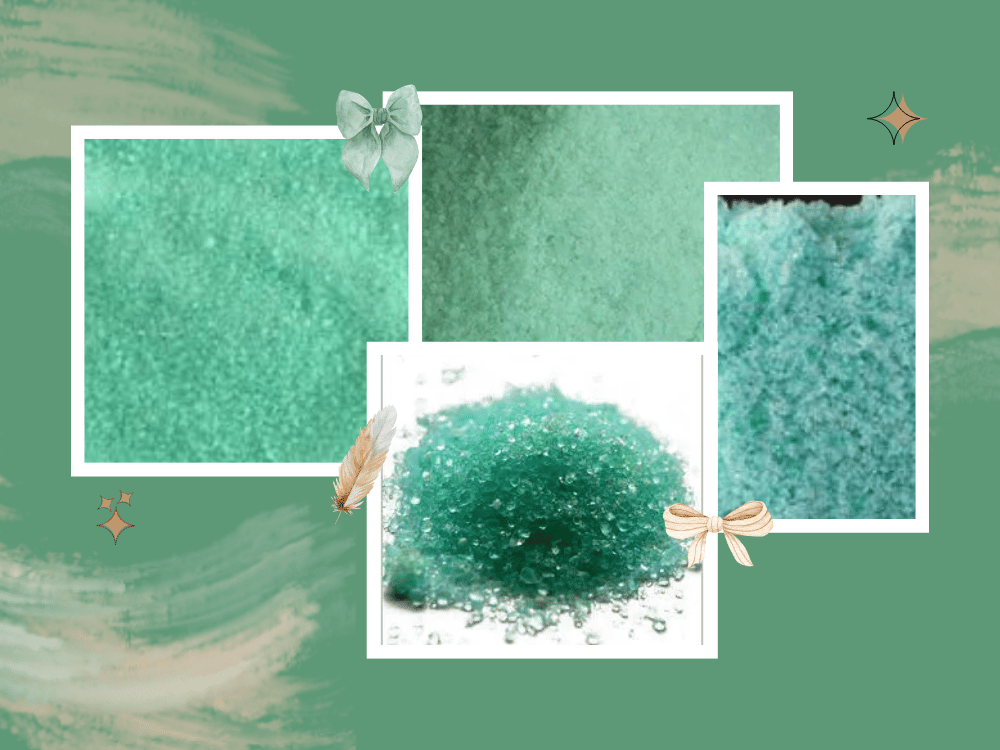
Ferrous Sulphate is an important iron compound widely used in traditional and modern medicine. It is commonly recognized by its light green crystalline appearance and is prepared by dissolving iron in sulfuric acid followed by drying and purification.
In Unani and classical medicine, ferrous sulphate was valued for its blood-strengthening, astringent, and stimulant properties. It was frequently prescribed in conditions related to anemia, weakness, bleeding disorders, and intestinal worms.
Preparation and Appearance
Ferrous sulphate is traditionally described as a light green crystalline substance. It is prepared by:
- Dissolving iron wires or iron filings in sulfuric acid
- Drying and crystallizing the resulting solution
The final product appears as pale green crystals or granules.
Temperament in Unani Medicine
According to Unani medicine, ferrous sulphate possesses the following temperament:
- Hot and dry in the fourth degree
Because of its strong and penetrating nature, it was used carefully and in controlled doses.
Medicinal Properties
Traditional physicians described ferrous sulphate as having several important medicinal actions, including:
- Menstrual stimulant
- Blood tonic
- External astringent
- Internal astringent
- Killer of stomach worms
- General tonic
These properties made it useful in a variety of medical conditions.
Traditional Uses
Strengthening Gums and Teeth
Due to its strong astringent action, ferrous sulphate was traditionally used to:
- Strengthen gums
- Tighten loose teeth
- Stop gum bleeding
It was often included in medicinal powders and mouth preparations.
Use in Menstrual Disorders
As a stimulant, ferrous sulphate was administered with other medicines in conditions such as:
- Delayed menstruation
- Menstrual weakness
- Menstrual cramps
Traditional practitioners believed it improved blood circulation and restored normal menstrual flow.
Use Against Intestinal Worms
Ferrous sulphate was also considered useful for killing stomach and intestinal worms. It was prescribed in traditional medicine to help eliminate parasitic infestations from the digestive tract.

Use in Anemia and Blood Weakness
Because of its blood-forming properties, ferrous sulphate was widely used in:
- Blood deficiency
- General weakness
- Anemia
- Fatigue caused by poor blood quality
Traditional physicians regarded it as one of the most effective medicines for strengthening blood.
Special Benefit
The most important traditional benefit of ferrous sulphate was considered to be:
- Strengthening and enriching the blood
Traditional Dosage
Traditional dosage recommendations include:
- Half a ratti to one ratti
The dose depended on the patient’s condition and the form of preparation.
External Effects of Iron and Its Salts
Iron compounds generally produce little effect on healthy skin. However, when applied to injured skin or mucous membranes, they produce a strong astringent action.
This action causes:
- Contraction of tissues
- Reduction in blood circulation
- Shrinkage of blood vessels
- Stoppage of bleeding
Because of these effects, iron compounds were traditionally used to control bleeding and inflammation.
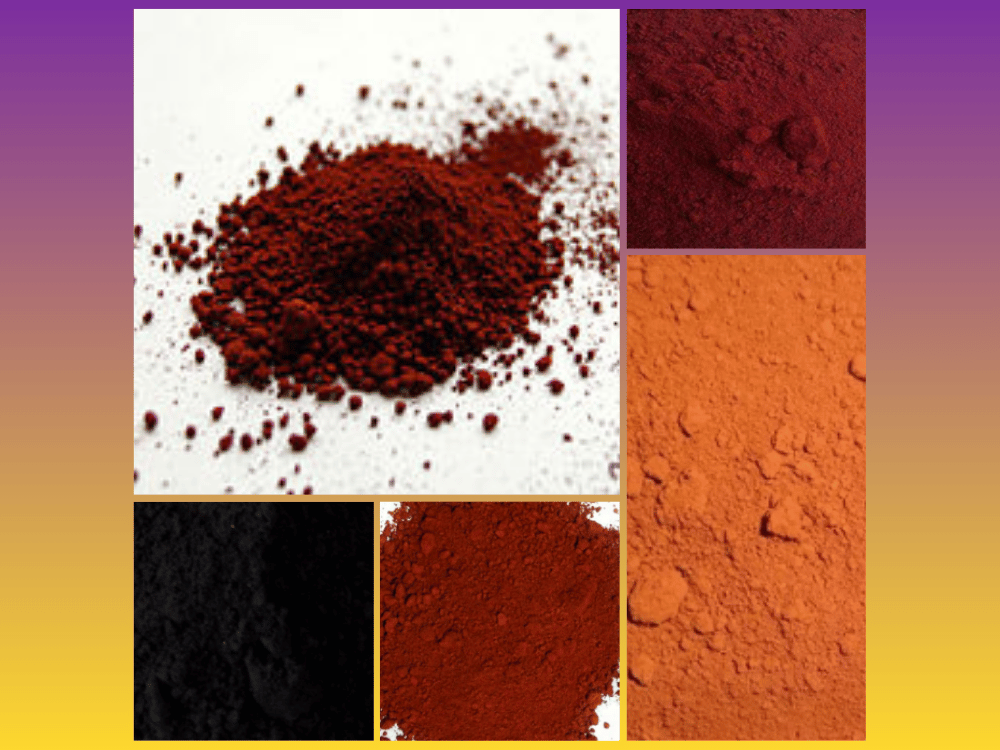
Iron oxide was also believed to possess anti-inflammatory properties due to its interaction with oxygen.
Internal Effects of Iron Compounds
Effect on Taste and Teeth
Iron compounds produce an astringent taste in the mouth. They may react with sulfur compounds present in food and saliva, forming iron sulfide. This reaction can temporarily blacken:
- Teeth
- Tongue
- Oral deposits
This discoloration is common during iron therapy.
Effects on the Stomach
When taken orally, many iron compounds are converted into ferric chloride in the stomach.
Large Doses on an Empty Stomach
Excessive intake may:
- Reduce hydrochloric acid levels
- Cause poor digestion
- Irritate the stomach lining
This irritation can lead to:
- Headache
- Loss of appetite
- Gastric discomfort
For this reason, iron preparations are usually recommended after meals.
Effects on the Intestines and Stool
Inside the intestines, iron compounds undergo several chemical changes and combine with substances such as hydrogen sulfide and tannic acid from food.
As a result:
- Stool often becomes black in color
- Constipation may occur
Black stool is considered a common and harmless effect of iron intake.
Effects on Blood
In healthy individuals, iron produces limited noticeable changes. However, in cases of anemia, iron significantly helps by:
- Increasing red blood cells
- Improving hemoglobin levels
- Enhancing blood quality and redness
Iron is essential for hemoglobin formation, which enables blood to carry oxygen throughout the body.
Physical and General Effects
By increasing hemoglobin levels, iron improves oxygen delivery to body tissues. This results in:
- Increased physical strength
- Better energy levels
- Improved body function
- Enhanced mental freshness and cheerfulness
Because of these effects, iron has traditionally been regarded as a powerful tonic.
In women suffering from anemia-related menstrual suppression, improvement in blood quality may help restore normal menstruation.
Excretion of Iron
Traditional scholars differed regarding the excretion of iron from the body. Some believed it was excreted through:
- Urine
- Saliva
- Milk
- Mucus
Others believed excretion mainly occurred through bile.
Modern understanding suggests that most unused iron is eliminated through the intestines, while a small amount may accumulate in:
- Bone marrow
- Lymphatic tissues
- Body storage sites