




Introduction
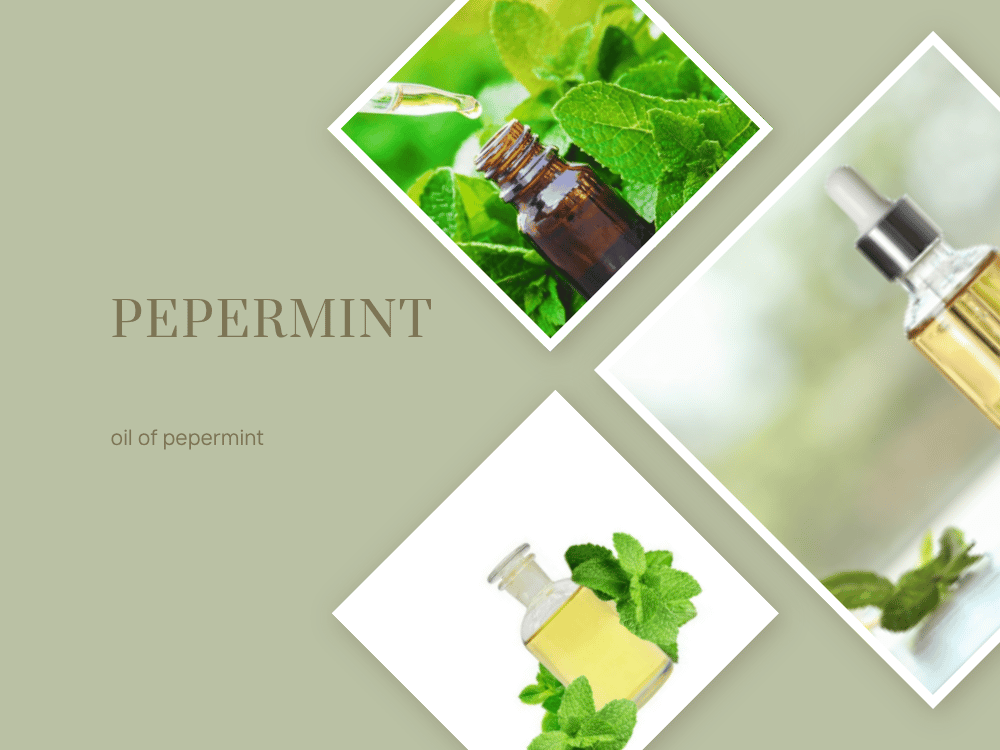
Peppermint oil is a delicate and highly aromatic essential oil obtained through the distillation of peppermint leaves (Mentha piperita). It is widely valued for its cooling sensation, refreshing fragrance, and numerous therapeutic uses in traditional and modern herbal practices.
Physical Characteristics
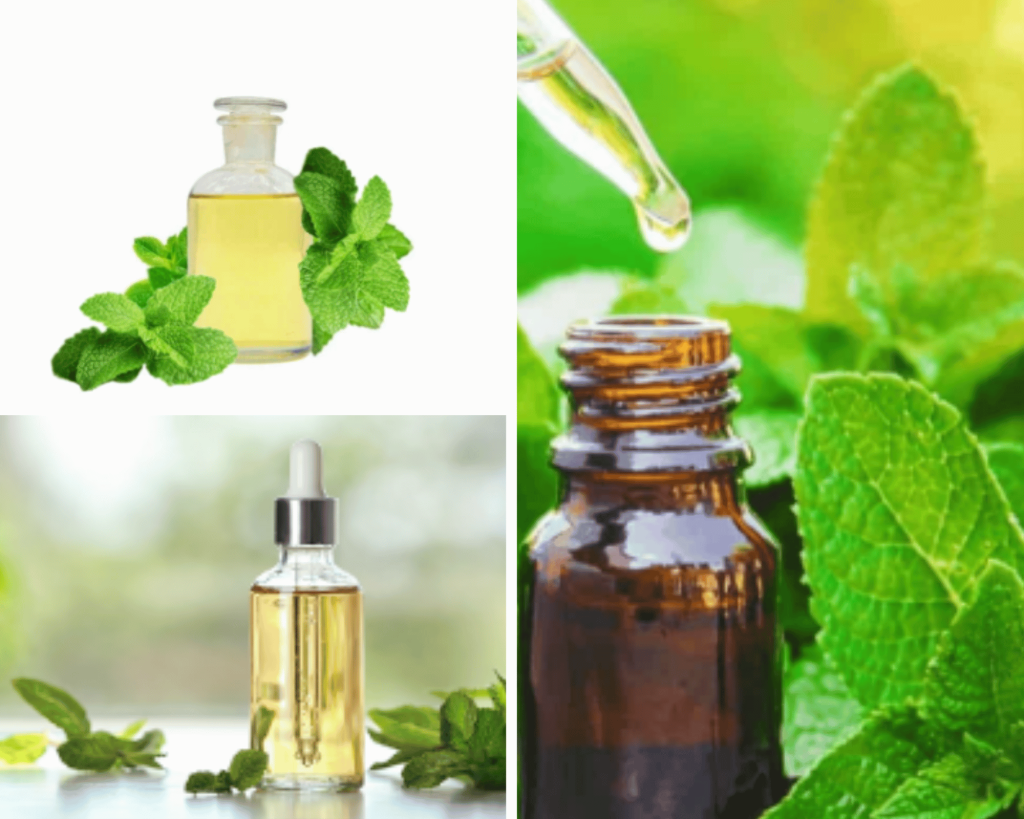
Peppermint oil is typically colorless, though it may appear slightly greenish or pale yellow. When stored for long periods, it can gradually turn darker, sometimes developing a reddish tint.
Aroma and Taste
Peppermint oil has a strong, sharp, and refreshing fragrance similar to fresh mint leaves. When tasted, it produces a cooling sensation in the mouth, followed by a slightly pungent and mildly bitter flavor.
Chemical Composition
Peppermint oil contains several active compounds, including:
- Menthol (approximately 25–50%)
- Menthone and other related compounds
- Trace amounts of resins and other natural substances
A crystalline form of menthol, sometimes referred to as “sat pudina,” can also be extracted from the oil.
Temperament (Traditional View)
In traditional systems of medicine, peppermint oil is considered to have a hot and dry temperament.
Pharmacological Actions
Peppermint oil is known for a variety of therapeutic actions, including:
- Carminative (relieves gas and flatulence)
- Astringent
- Stomach tonic
- Mild analgesic and soothing agent
- Antispasmodic
- Expectorant (helps clear mucus)
- Antimicrobial and antiparasitic (worm-expelling properties)
- Diaphoretic (induces sweating)
- Mild stimulant
Medicinal Uses
Digestive Health
Peppermint oil is commonly used to relieve the following:
- Indigestion
- Abdominal pain
- Flatulence
- Loss of appetite
It strengthens the stomach and improves digestion.
Respiratory Support
Due to its soothing and expectorant properties, peppermint oil helps in:
- Cough
- Asthma
- Congestion
It assists in loosening thick mucus and easing breathing.
Skin and External Use
When applied externally in diluted form, peppermint oil may:
- Soothe skin irritation
- Improve skin tone
- Provide a cooling effect
- Help reduce minor inflammation
Antimicrobial and Antiparasitic Uses
Peppermint oil has traditionally been used to help
- Eliminate intestinal worms
- Act as a mild disinfectant
Relief from Nausea and Fever
It is beneficial in:
- Nausea and vomiting
- Mild fever (due to its cooling and soothing properties)
Important Safety Note
Peppermint oil is highly concentrated and must always be used in small, diluted amounts. It should not be used during pregnancy in medicinal doses without medical supervision. Claims regarding its use for inducing abortion or similar purposes are unsafe and not medically recommended.
Special Benefits
- Helps relieve diarrhea
- Provides a pleasant taste and refreshing sensation
- Widely used in herbal formulations and remedies
Dosage
The typical recommended dose is very small (a few drops when diluted). Large doses (such as grams) are not safe and should be avoided. Always consult a qualified healthcare professional before internal use.
Substitutes
Different varieties of mint oil can be used as substitutes for one another, though their strength and composition may vary.