



Introduction
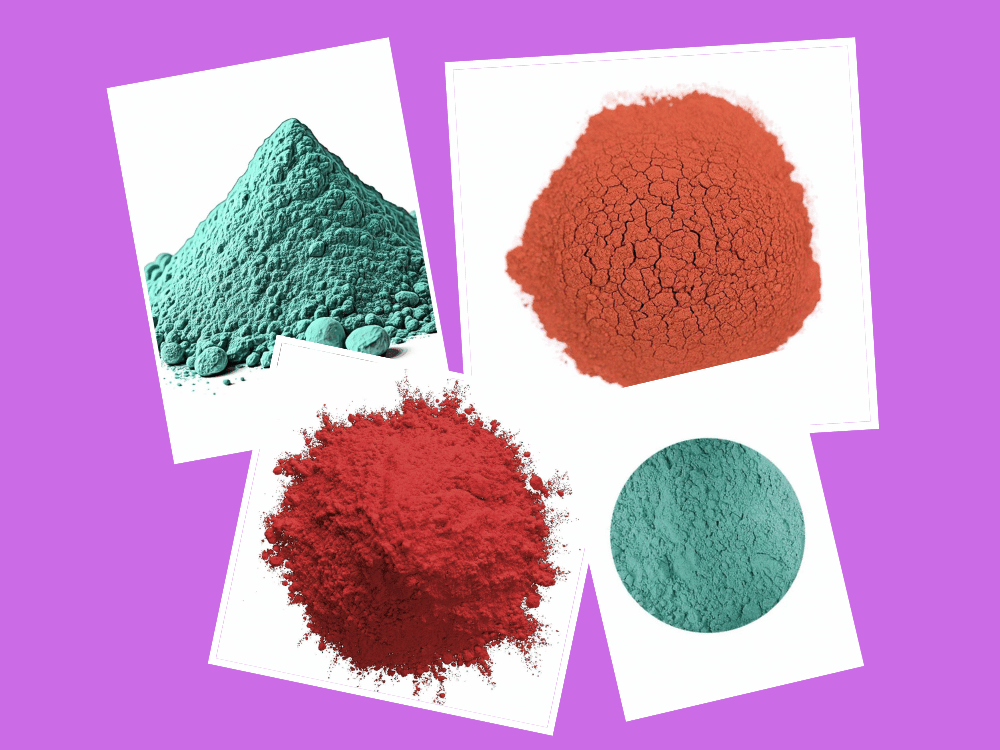
Verdigris is a light green substance typically obtained from copper. It is commonly prepared from copper sheets using traditional methods, often involving the use of vinegar or yogurt along with other ingredients.
Temperament
- Hot and dry in the fourth degree
Functions (Actions)
- Corrosive (Akal)
- Desiccant (Mujaff)
- Detergent/Cleansing (Jalli)
Medicinal Uses
Verdigris is primarily used in external applications due to its strong properties. It is included in ointments for treating malignant ulcers. Its key benefits include the following:
- Removing excess and decayed flesh
- Reducing the formation of dirt, moisture, and pus
- Promoting wound healing
It is also used in eye preparations (surma) for certain eye conditions, such as
- Glaucoma
- Eye inflammation
- Corneal ulcers
- Cloudiness or blurred vision
Toxicity and Precautions
Verdigris is poisonous and must be used with caution. Improper use can be harmful.
Antidote (Remedy)
- Fresh ghee
- Saliva
Compound Preparations
Verdigris is used in several traditional formulations, including:
- Green suppositories
- Jamad Jarb
- Rasul ointment
- Saeed Khani ointment
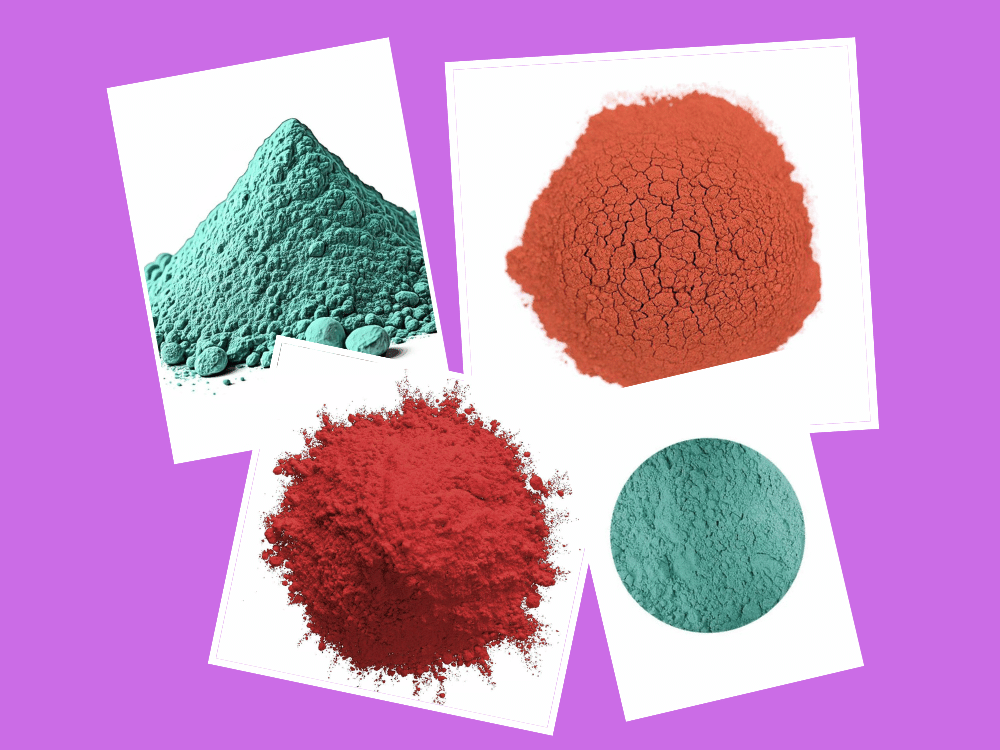
Rosy Tint (Rose Tint)
Introduction
Rosy Tint is a substance derived from burnt copper. It is produced by roasting copper ores with sulfur and salt, traditionally prepared in regions like Lahore.
Temperament
- Hot and dry in the second degree
Actions
- Strong astringent
- Drying agent
Uses
Rosy tint is mainly used for drying excess moisture in the body, similar to verdigris. However, its applications are mostly non-medicinal:
- Used in dyes
- Helps in darkening hair
Special Note
Rosy Tint is not used internally as a medicine, particularly for wound treatment. Its use is primarily limited to cosmetic and external applications rather than therapeutic purposes.
Applications in Formulations
It is included in various dye preparations and traditional compounds, such as:
- Dye No. 1
- Dye No. 3
- Dye No. 5
- Dye Hasar Joya
- Mr. Sultanuddin’s ointment for leprosy