



Introduction
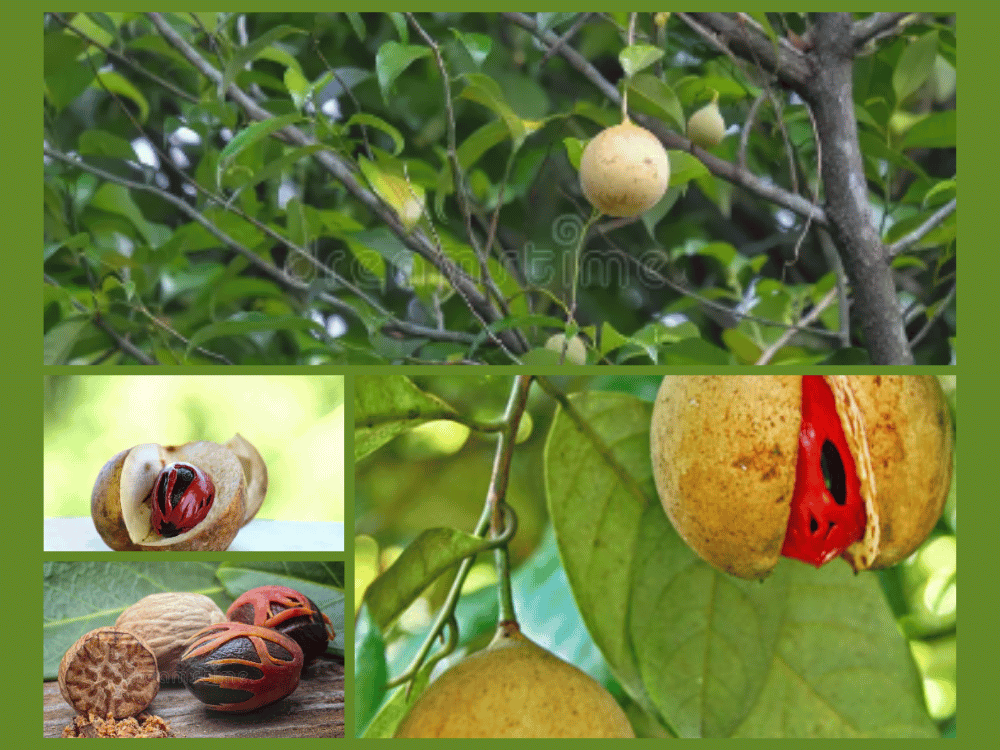
Mace is the aromatic outer covering (aril) of the nutmeg seed obtained from Myristica fragrans. It should not be confused with jackfruit—mace is actually the red, net-like layer surrounding nutmeg (jaifal). It is widely used in traditional medicine for its digestive, stimulant, and soothing properties.
Botanical Source
- Derived from the fruit of the nutmeg tree (Myristica fragrans)
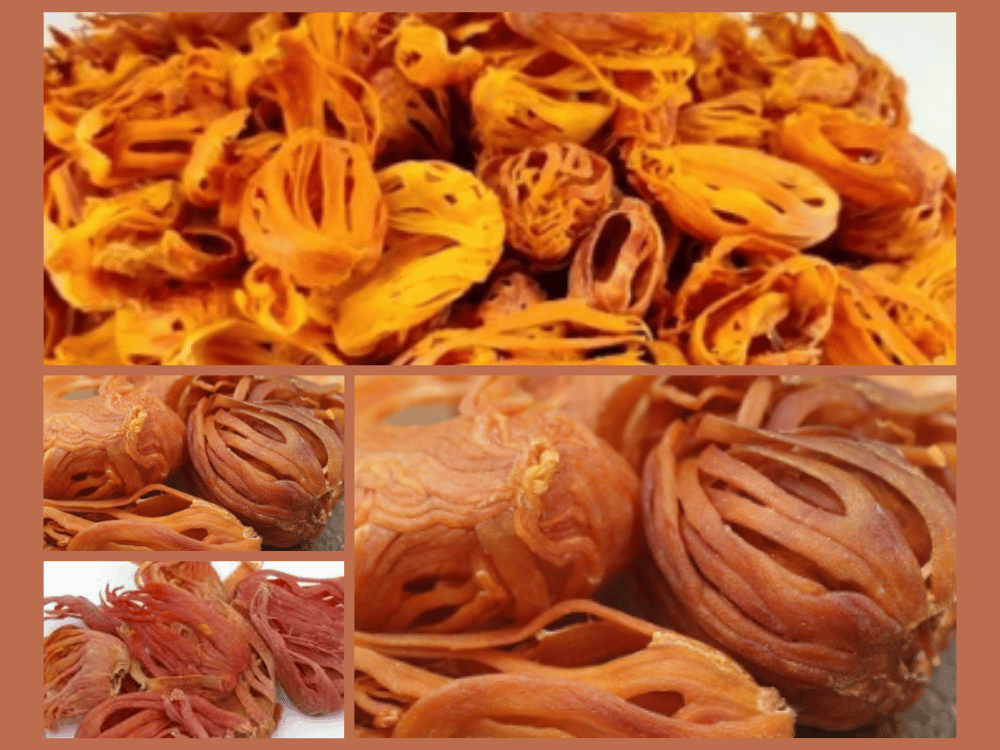
- Appears as a thin, lacy (reticulate) covering around the seed
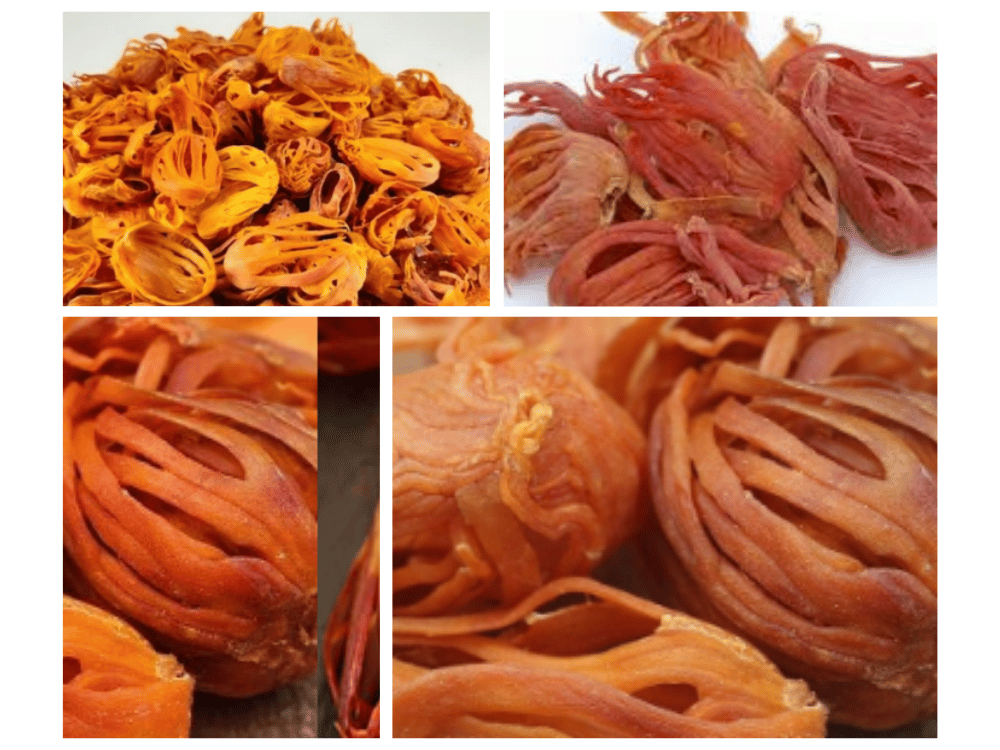
- Color:
- Fresh: Bright red
- Dried: Yellowish-orange
- Separates naturally from the seed upon drying
Temperament (Unani Concept)
- Warm and dry in the second degree
Pharmacological Actions
Mace possesses several beneficial actions:
- Digestive (stomachic)
- Carminative (relieves flatulence)
- Mild astringent
- Cardiac stimulant and tonic
- Mild purgative
- Soothing and refreshing
Medicinal Uses
Digestive System
- Strengthens the stomach
- Helps relieve:
- Indigestion
- Gas and bloating
- Improves appetite and digestion
Cardiac Health
- Acts as a mild stimulant and tonic for the heart
- Traditionally used in weakness of the heart
Diarrhea
- Due to its astringent properties, it helps:
- Control loose motions
- Improve bowel consistency
Respiratory & Cold Conditions
- Its warming nature makes it useful in:
- Colds
- Headaches
- Migraines
General Tonic Use
- Included in tonic and purgative formulations
- Provides refreshing and stimulating effects on the body
Dosage
- 1–3 grams (powder form)
The originally mentioned tablespoon dose is unsafe and excessive. Always use in small, controlled amounts.
Compound Preparations
Mace is used in several traditional Unani formulations, including the following:
- Jawarish Zarooni (simple)
- Jawarish Ghabri
- Jawarish Zanjabeel
- Hab-e-Azaraki
- Hab-e-Hawar
- Labub Kabir and Labub Asrar
Precautions
- Excessive use may cause:
- Drowsiness
- Narcotic effects
- Use with caution in:
- Pregnancy
- Children
- Always consult a qualified practitioner