



Introduction
Galbanum is a medicinal gum resin obtained from a plant traditionally valued in Unani medicine. It is known for its strong odor, bitter taste, and wide range of therapeutic properties, particularly in nervous and phlegmatic disorders.
Botanical Description
Plant
- The plant has leaves resembling those of the fig tree
- Leaves are green, small, rough, and divided into five lobes
- The stem is thick, short, soft, and somewhat creeping
- It may be as thick as a cucumber, black on the outside and white inside
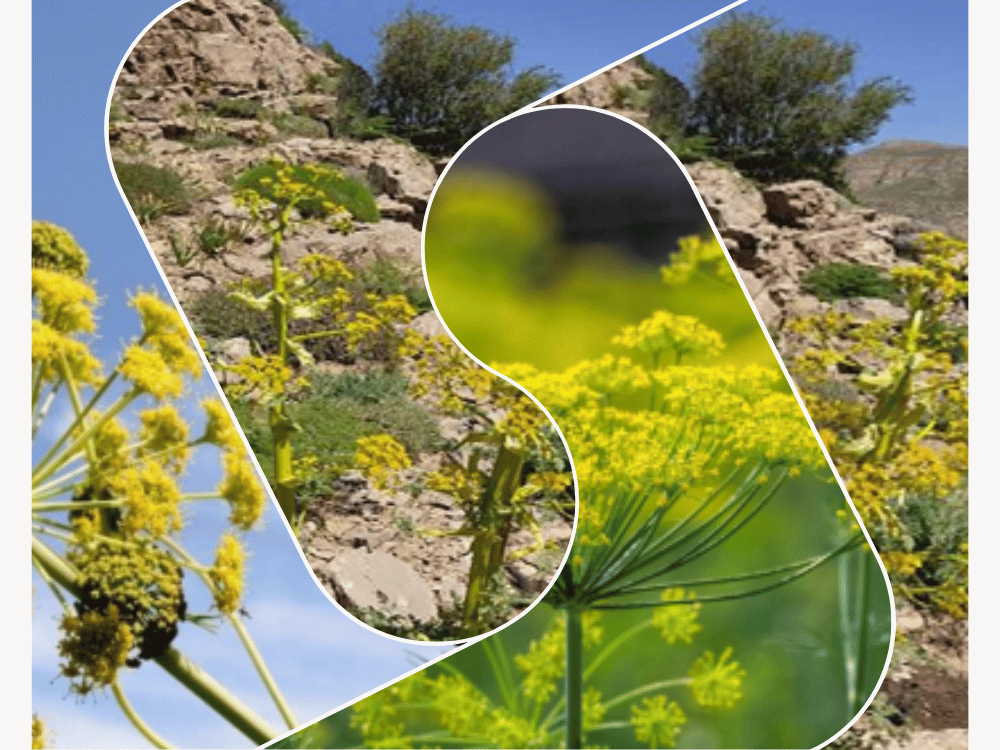
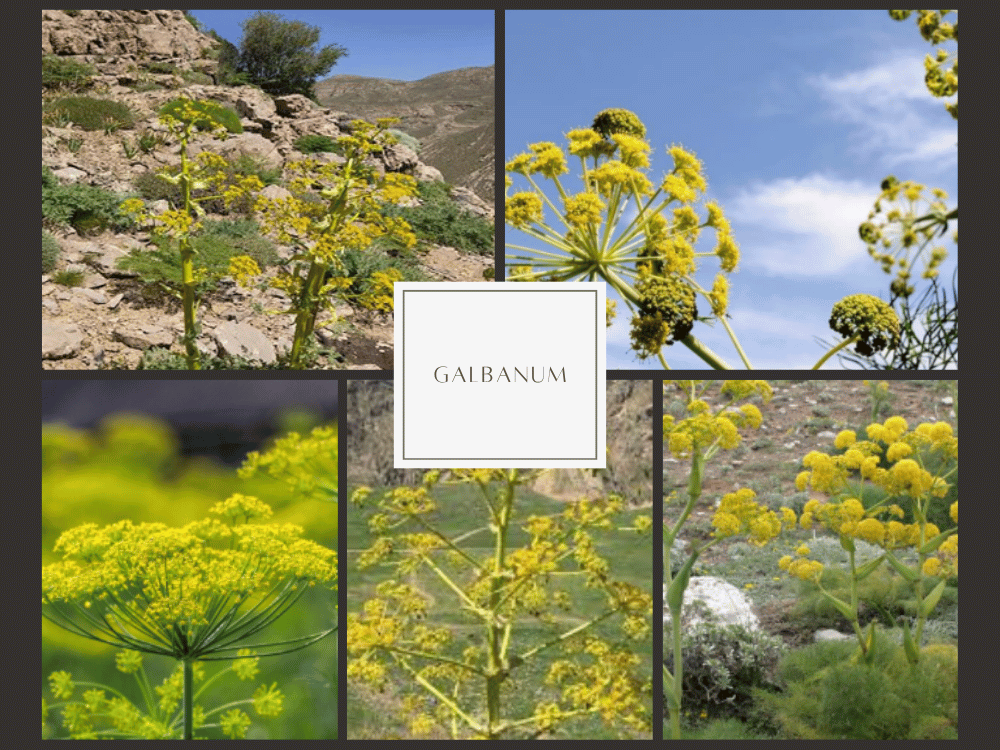
Flowers
- Yellow in color
- Arranged in umbrella-like clusters (umbels)
- Fragrant
Seeds
- Black in color
- Resemble opium seeds in appearance
Root
- Emits a strong, unpleasant odor
Source of Galbanum (Gum-Resin)
The medicinal part is the gum resin obtained from the plant. It is:
- Bitter in taste
- Red on the outside and white on the inside
- Turns milky and greasy when dissolved in water
Collection Method
- Obtained during the Rabi season (around Asuj–Kartak)
- The root is cut, and the surrounding soil is cleared
- Leaves are spread around to collect the exuding juice
- The exudate dries on the leaves and is then collected
Quality Identification
High-quality Galbanum:
- Is white inside and rough outside
- Soft and easily breakable
- Completely soluble in water
- Has a strong, pungent smell
- Becomes sticky when chewed
Habitat and Distribution
- Found in regions near equatorial coastal areas
- Also present in north-western parts of the Indian subcontinent
- Mostly imported from other countries
Chemical Composition
Galbanum contains:
- Volatile oil (6–9%)
- Resin (approximately 20–60%)
- Turpentine
- Tannins
- Resorcinol-like compounds
- Umbelliferone and related substances
- Non-volatile oils
Temperament
- Hot and dry
Actions (Pharmacological Properties)
- Carminative (relieves gas)
- Expectorant (expels phlegm)
- Nervine tonic
- Anti-phlegmatic
- Laxative
- Antipyretic (reduces fever)
- Antispasmodic
- Emmenagogue (stimulates menstruation)
- Lithotriptic (breaks stones)
- Detergent and cleansing (Jali)
Medicinal Uses
Respiratory and Phlegmatic Disorders
- Helps expel phlegm
- Useful in coughs, colds, and chest congestion
Nervous System Disorders
- Beneficial in:
- Epilepsy
- Paralysis
- Facial palsy (Laqwa)
- Tremors
- Stroke-related conditions
- Acts as a nervine tonic
Digestive System
- Strengthens the stomach
- Relieves flatulence and digestive weakness
Urinary and Reproductive System
- Promotes urination
- Stimulates menstruation
- Relieves uterine cramps
- Used in compresses for uterine disorders
Skin and External Applications
- Ointments used for:
- Malignant ulcers
- Wounds, including bites (e.g., mad dog bite)
- Helps in cleansing and healing wounds
Eye and Stone Disorders
- Traditionally used for:
- Cataract and eye haze (as per classical texts)
- Helps in breaking kidney and bladder stones
General Use
- Often used in decoction with honey or wine for enhanced effectiveness
Special Benefits
- Highly effective for phlegmatic conditions
- Useful in nervous disorders and weakness
Dosage
- 1 to 2 grams (as per traditional use)
Compound Preparations
Galbanum is used in various Unani formulations, including:
- Rasul ointment
- Hab Jawahar (used in gout)
- Hab Lattan