



Introduction
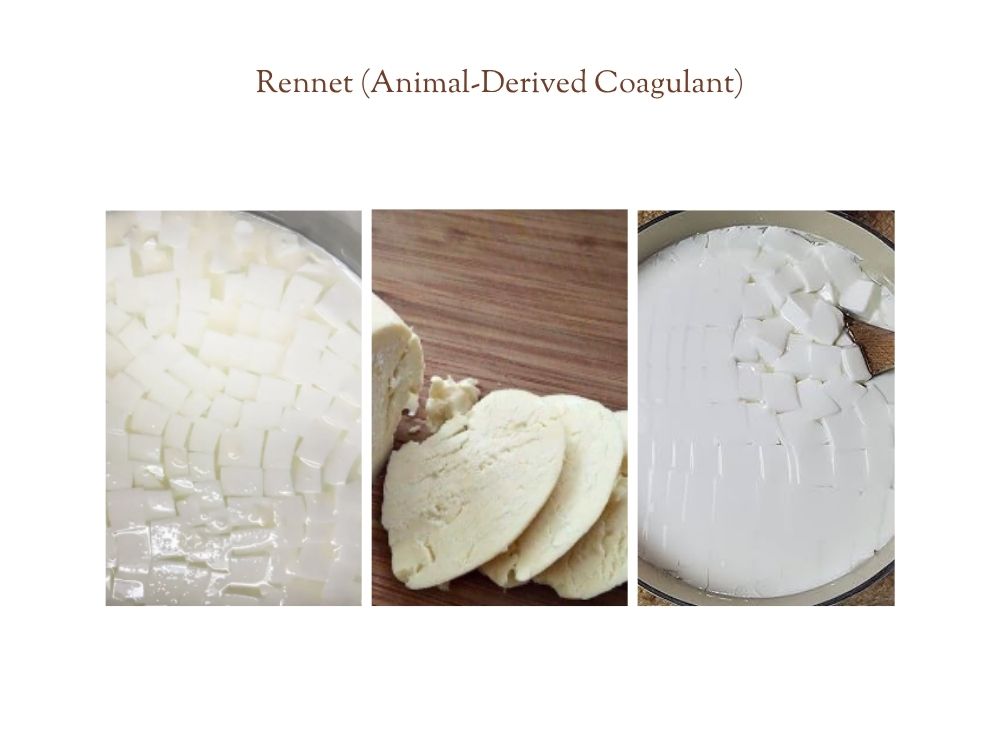
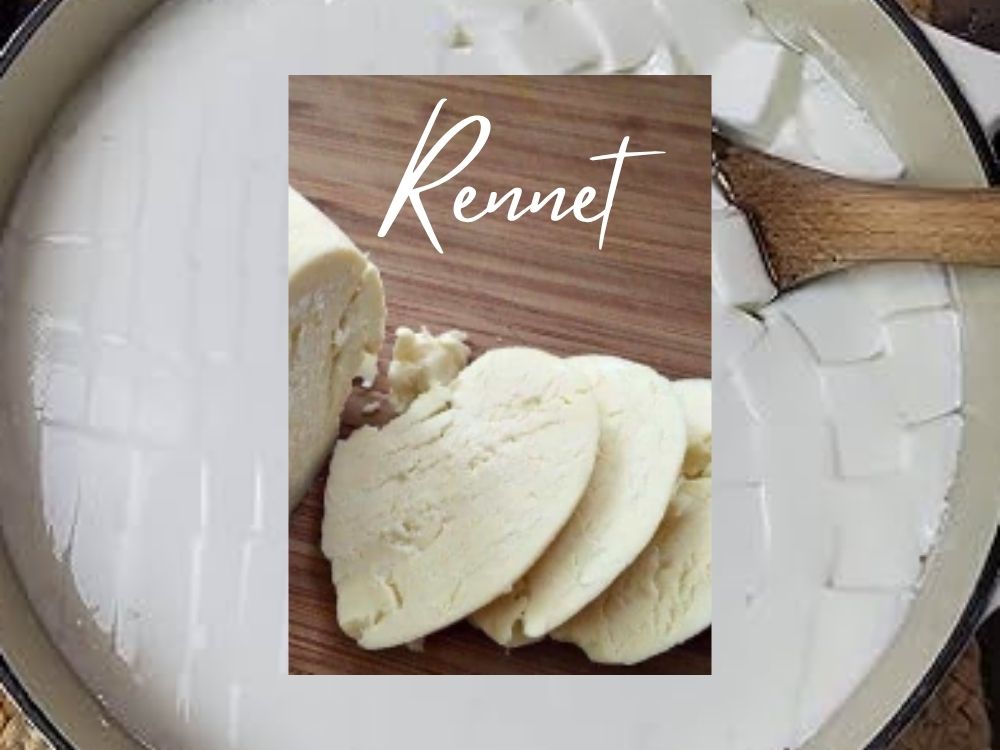
Rennet is a traditional substance obtained from the stomach of newborn animals, primarily used in medicine and cheese-making. In classical systems of medicine, it is valued for its therapeutic properties, particularly in digestive, cardiac, and reproductive health. It is commonly referred to as “cheese curd” due to its role in coagulating milk.
Source and Preparation
Rennet is typically obtained from the stomach of a newborn animal, such as a calf or kid, immediately after birth. The stomach is removed while it still contains milk, then carefully dried and preserved for medicinal use.
Important considerations in its preparation include:
- The animal should be newborn or only one to two days old
- It must not have consumed grass or solid food
- The stomach contents should primarily consist of milk
Among various sources, camel rennet, particularly from Arabian camels, is traditionally considered the most potent and effective.
Temperament (Mizaj)
In traditional medicine, rennet is regarded as having a warm and dry temperament (second degree).
Medicinal Properties
Rennet possesses several therapeutic actions, including:
- Anti-phlegmatic (reduces excess phlegm)
- Astringent (tightens tissues)
- Cardiotonic (supports heart function)
- Coagulant (helps in clotting and thickening)
- Regulator of bodily secretions
Health Benefits
Digestive and Phlegmatic Disorders
Rennet is particularly useful in conditions involving excess phlegm, such as:
- Phlegmatic spasms
- Thick mucus accumulation
It is often administered with vinegar and honey to enhance its effectiveness.
Regulation of Body Secretions
One of the unique properties of rennet is its balancing effect:
- It thins thick secretions
- It thickens overly thin secretions
This dual action helps restore equilibrium in bodily fluids.
Cardiac Support
Rennet is considered beneficial for the heart:
- Acts as a heart tonic
- Provides relief and strengthens cardiac function
Reproductive Health
Rennet has been traditionally used in women’s health:
- Helps regulate uterine function
- May support conception (when used appropriately)
- Its astringent nature is believed to help tighten vaginal tissues
In some traditions, it is recommended for use after the menstrual period.
Treatment of Spasms
Different types of rennet are used for specific conditions:
- Rabbit rennet is considered especially useful for phlegmatic spasms
- Horse rennet is traditionally used in conditions like tetanus and uterine contractions
Tonic Properties
Rennet derived from animals such as
- Mountain goats
- Deer
- Buffalo
is considered strengthening and acts as a general tonic for the body.
Compound Preparations
Rennet is used as an ingredient in several traditional formulations, including:
- Thaleb ointment
- Maruhu al-Arwah ointment
- Alavi Khan’s tonic ointment
- Mummy ointment
These preparations are used for various therapeutic purposes in traditional medicine.