



Introduction
Cassia seeds, commonly obtained from plants of the Cassia species, are widely used in traditional herbal medicine. Known for their therapeutic effects, especially in skin disorders and digestive health, these seeds have been valued for centuries in natural healing systems.
Plant Description
General Characteristics
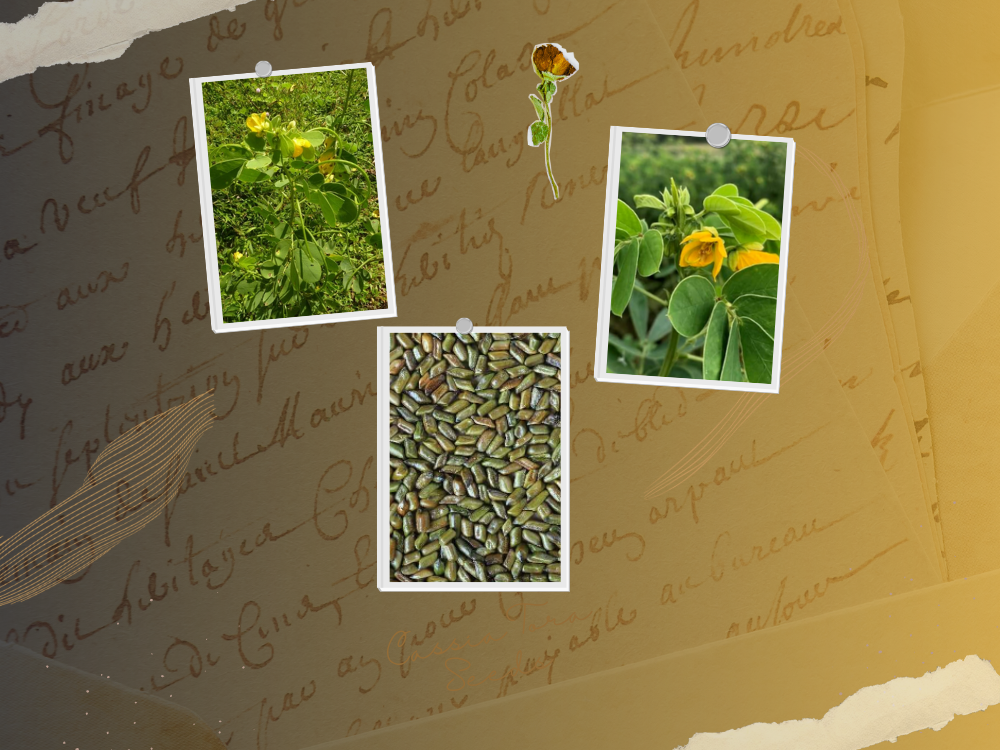
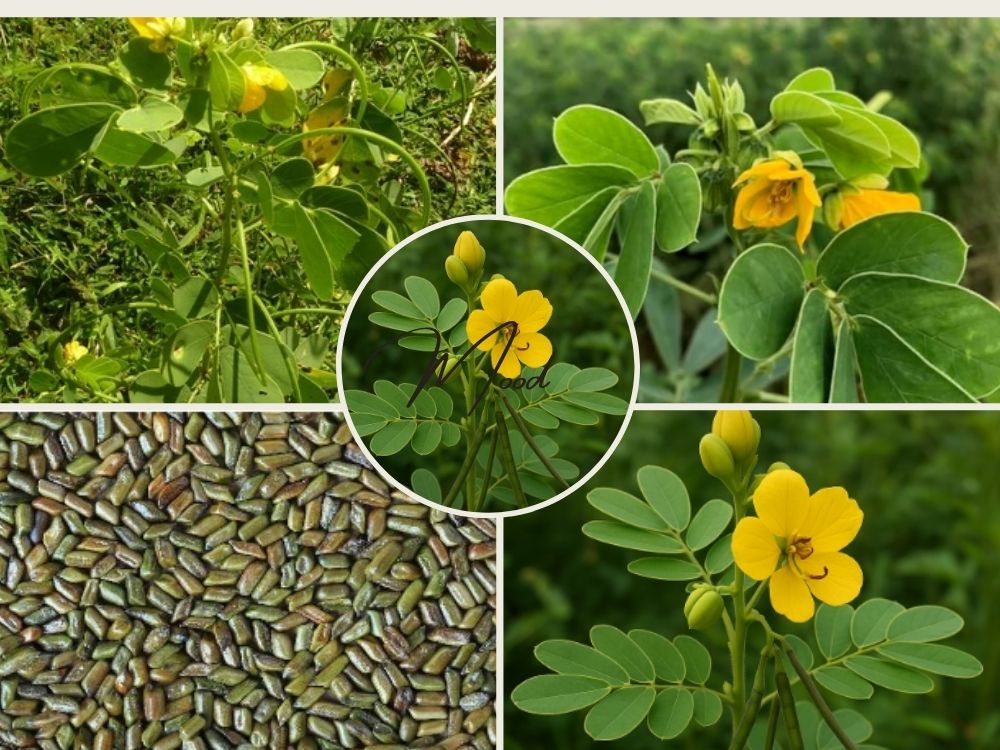
The Cassia plant typically grows more than 2 to 3 feet tall. It has green, conical leaves that resemble those of the senna plant. A distinctive feature of this plant is the behavior of its leaves:
- The leaves remain open during the day, even under cloudy conditions
- At night, the leaves fold, contract, and appear withered
- They reopen again with the sunrise
The leaves are slightly rough (scurfy) and have a spreading taste.
Flowers
The plant produces long, yellow-colored flowers, which add to its identification.
Seeds and Pods
The seeds are enclosed in long pods. Key features include the following:
- Seeds are round, hard, and smooth
- Slightly greenish in color
- Appear somewhat square or flattened at the ends due to compact arrangement in the pod
- Very hard in texture and do not soften easily, even after soaking
Each pod may contain up to 50 seeds. Unlike similar plants, these pods do not burst open when ripe.
Comparison with Kasundi
Cassia (Panwar) is often compared with the Kasundi plant:
- Panwar plant is smaller in size
- Its pods are larger than those of Kasundi
- Panwar pods do not burst when ripe
- Kasundi pods are smaller and burst open, dispersing seeds
Habitat and Distribution
Cassia plants are commonly found in various regions of South Asia, including:
- Delhi
- Punjab
- Haridwar
- Dehradun
- Rishikesh
- Jammu
- Pathankot
- Kalka
- Saharanpur and Kangra regions
Chemical Composition
Cassia seeds and leaves contain important active compounds:
- Emodin (a glycoside) – similar to chrysophanic acid
- Cathartin – a reddish substance found in the leaves
These compounds contribute to the plant’s medicinal properties.
Temperament (Mizaj)
In traditional medicine, Cassia seeds are considered to have a hot and dry temperament (second degree).
Medicinal Properties
Cassia seeds possess several important therapeutic actions:
- Expectorant (helps expel mucus)
- Laxative
- Blood purifier
- Anti-inflammatory
- Anti-hemorrhoidal (useful in piles)
- Skin disease remedy
Health Benefits
Skin Diseases
Cassia seeds are especially effective in treating:
- Leprosy
- Ringworm
- Other chronic skin conditions
The seeds and leaves are often ground into a paste and applied externally to affected areas.
Digestive Health
Due to their laxative and cleansing properties, Cassia seeds:
- Help remove toxins from the body
- Promote bowel movement
- Assist in expelling phlegm and impurities
Wound Healing
The seeds are traditionally the following:
- Mixed with curd and applied to wounds
- Used in poultices to promote healing
This helps reduce infection and accelerates recovery.
Treatment of Piles
Cassia seed poultice is beneficial in managing the following:
- Hemorrhoids (piles)
It can be applied externally, sometimes mixed with milk or other substances for enhanced effect.
Traditional Skin Applications
In traditional remedies:
- Cassia seeds are combined with other herbs and oils (such as egg oil)
- Applied to affected skin areas to reduce lesions and spots
Special Benefit
- Highly effective in the treatment of skin diseases
Adverse Effects
- May be harmful to the intestines if used excessively
Correctives (Musleh)
To reduce potential side effects, it is recommended to use Cassia seeds with the following:
- Milk
- Curd
Dosage
The typical dosage is 1 to 3 times daily, depending on the preparation and condition being treated.
Compound Preparations
Cassia seeds are included in various traditional formulations, such as:
- Leprosy poultices
- Kaya Kalp preparations
- Other herbal compounds for skin and blood purification