



Introduction
Maidenhair fern, commonly known as Adiantum, is a delicate and graceful herb widely used in traditional medicine. It is valued for its therapeutic properties and is found in moist, shaded environments. Different species of this plant are known for their slight variations in appearance and medicinal uses.
Types of Maidenhair Fern
There are several types of maidenhair fern, among which the most common are:
- Adiantum capillus-veneris
- Adiantum venustum
These species differ slightly in the shape and size of their leaves, as well as their overall growth patterns.
Habitat and Distribution
Maidenhair fern thrives in moist and shaded environments. It commonly grows:
- Near ponds and streams
- On the banks of wells
- Under shady trees
- In mountainous regions with high humidity
It is widely found in countries such as India, Pakistan, Iran, and Afghanistan.
Physical Description
Leaves
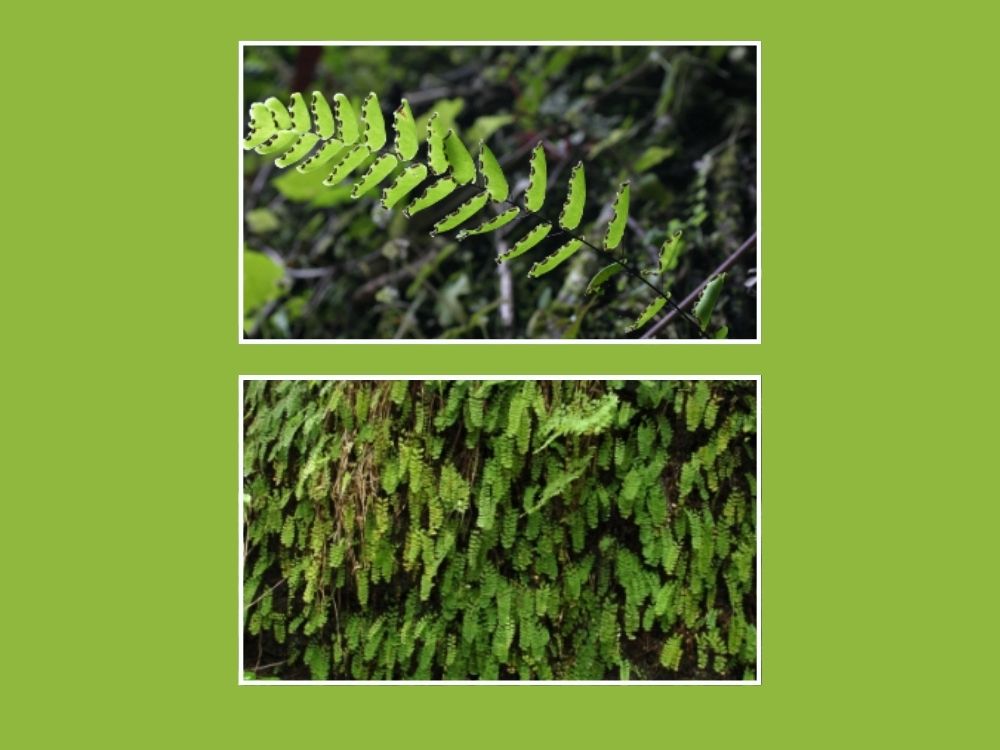
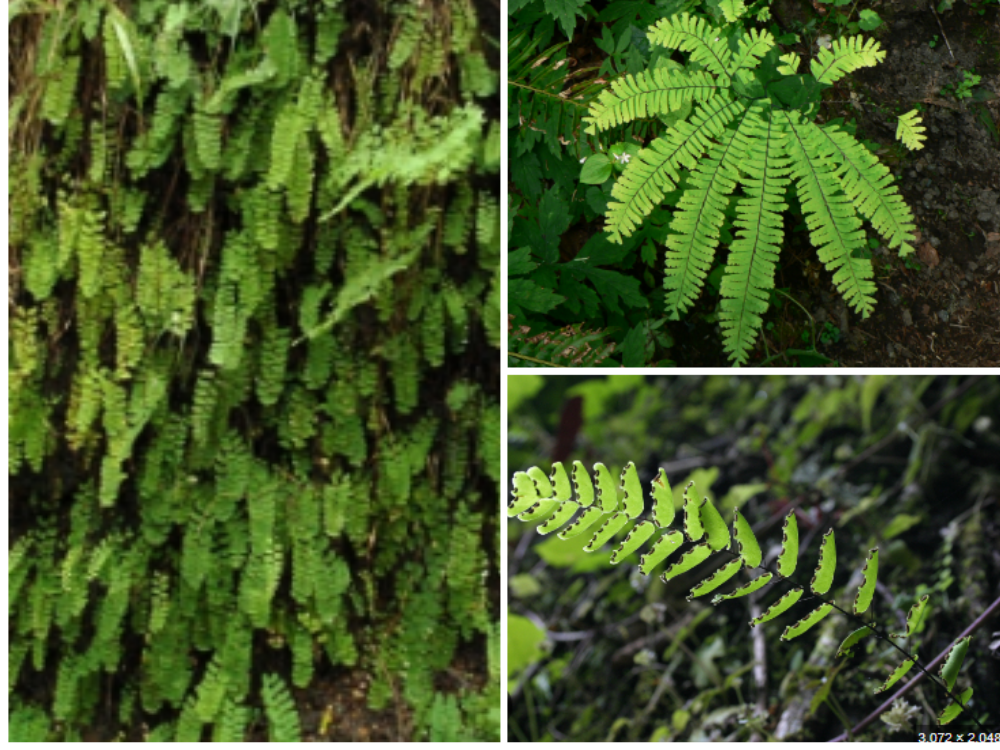
The leaves of maidenhair fern are small, delicate, and resemble the typical structure of ferns. They may appear similar to swan claws in shape. When observed closely, the underside of the leaves shows small black spots, which are actually spores (reproductive structures) that fall to the ground and grow into new plants.
Stem and Branches
The plant has thin, dark reddish to brown stalks. The leaves are attached on both sides of these slender stems, giving a feather-like or curtain-like appearance. The branches are soft, flexible, and slightly reddish in color.
Height
The plant typically grows to a height of about 1.5 to 2 feet, while some smaller varieties reach only 9 inches to 1 foot in height.
Temperament (Mizaj)
According to traditional medicine:
- Generally considered moderate
- Some practitioners classify it as hot and dry
Medicinal Properties
Maidenhair fern possesses a variety of medicinal actions, including the following:
- Aphrodisiac
- Emmenagogue (stimulates menstrual flow)
- Astringent
- Antipyretic (reduces fever)
- Mild tonic
Health Benefits
Women’s Health
Maidenhair fern is commonly used to support the following:
- Menstrual disorders
- Regulation of menstrual flow
- Expulsion of retained placenta
It is often combined with other herbs to enhance its effectiveness.
Fever and General Weakness
Due to its antipyretic and tonic properties, it helps in:
- Reducing fever
- Strengthening the body
Wound and Skin Care
Its solvent and healing properties make it useful in treating:
- Boils
- Sores
- Abscesses
Topical application helps reduce inflammation and promotes healing.
Oral and Throat Care
The decoction of maidenhair fern can be used as a gargle or spray to relieve the following:
- Throat irritation
- Mouth conditions
Traditional Uses in Bites
In traditional practices, its decoction has been used as supportive care in cases of
- Snake bites
- Rabid animal bites
(Note: This should not replace modern medical treatment.)
Hair and Scalp Care
When the plant is burned to ashes and applied to the scalp:
- Helps eliminate head lice
- Supports scalp cleanliness
Respiratory Support
It is considered beneficial in preventing and relieving:
- Common colds
- Mild respiratory discomfort
Special Benefit
- Helps in the prevention of colds
Substitute
- Violet flower (Banafsha) is often used as a substitute in traditional formulations.
Dosage
The recommended dosage is 5 to 7 grams, depending on the form and usage.
Compound Preparations
Maidenhair fern is used in various traditional herbal formulations, including the following:
- Decoctions
- Oil preparations (such as Oil of Gesudraz)
- Syrups like:
- Syrup of Astu Khudos
- Syrup of Hyssop
- Syrup of Sadr
It is also included in classical Unani preparations such as Irq Ma’al-Lahm and others.