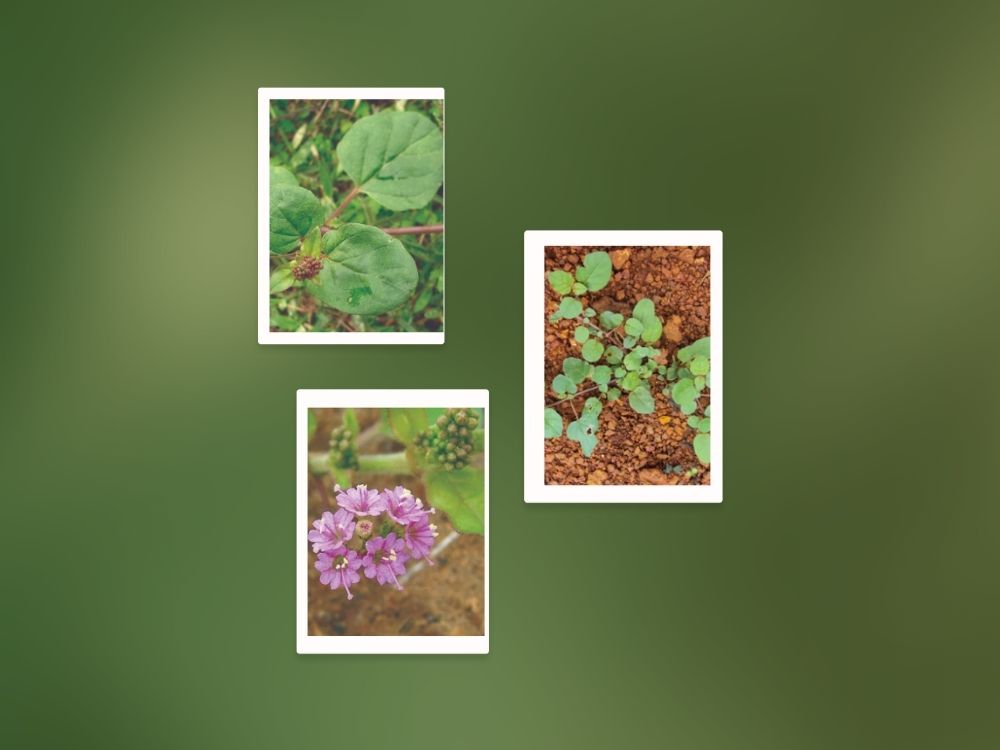




Introduction
Brahmi (Barhami) is one of the most renowned herbs in Unani and Ayurvedic medicine, widely known for its powerful effects on the brain, memory, and nervous system. It is especially valued as a mental tonic that enhances intelligence, concentration, and overall vitality.
Habitat and Distribution
Brahmi typically grows in:
- Moist environments such as rivers, ponds, and wetlands
- Hilly regions above 3,000 feet
- Along the banks of Ganga and Jamuna rivers and their canals
It is commonly found in areas like the following:
- Rishikesh, Roorkee, Jagadhri, Saharanpur, Dehradun
- Kangra, Jammu, Delhi, and surrounding regions
Botanical Characteristics
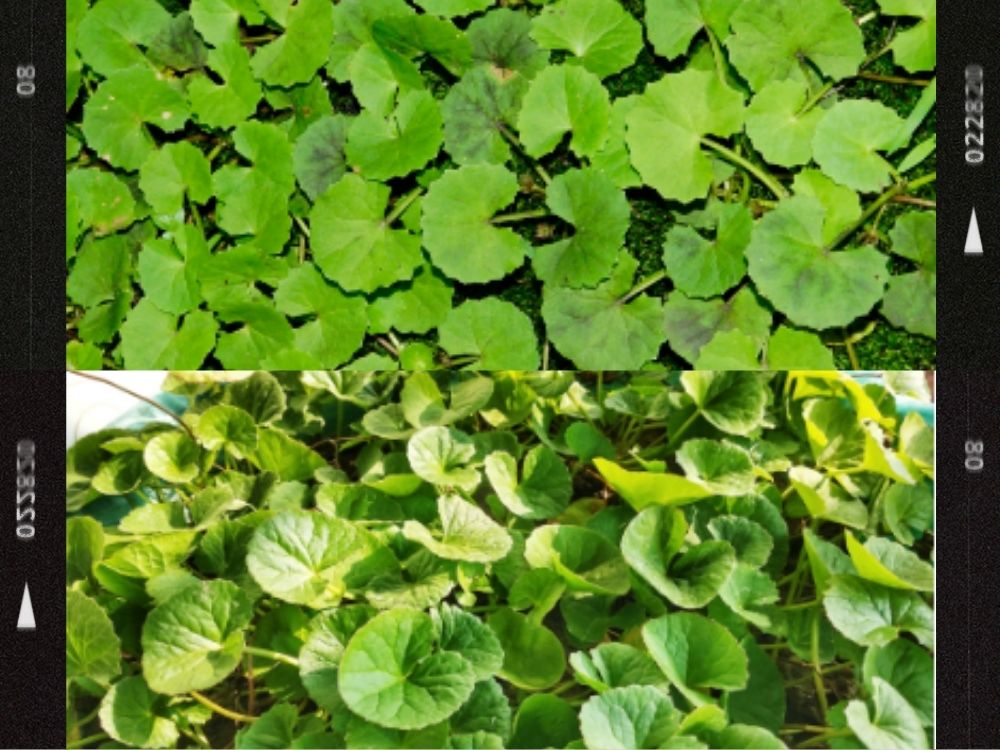
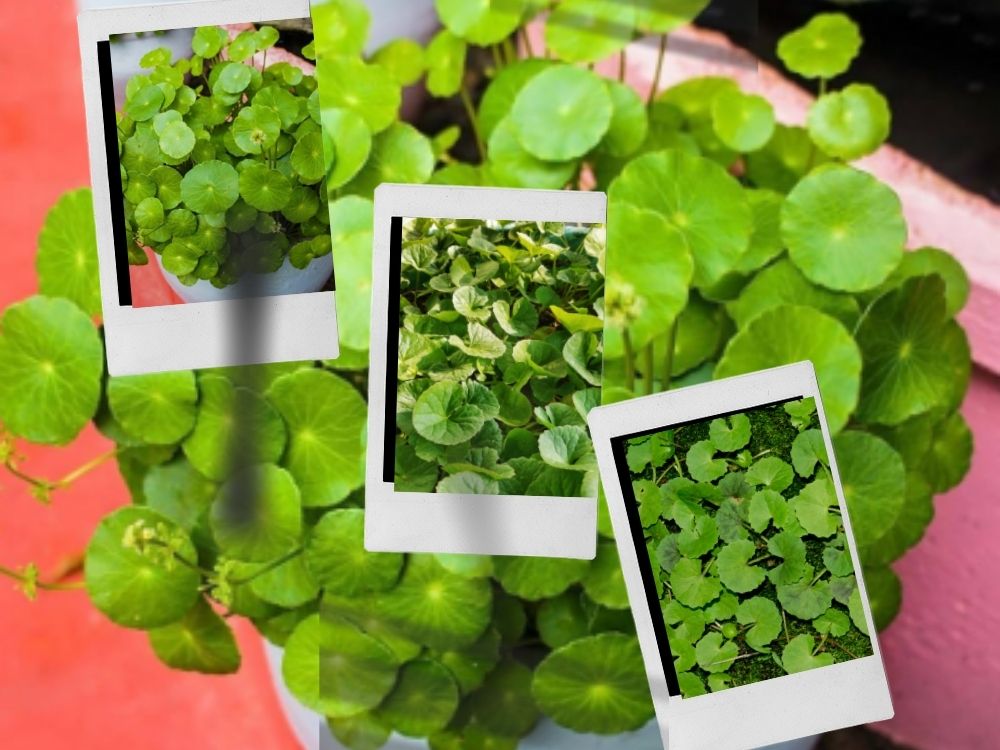
- Plant Structure: A creeping, spreading herb that grows close to the ground. Its branches spread horizontally and develop roots at nodes, allowing the plant to expand.
- Leaves:
- Round, coin-shaped leaves
- Attached to thin, spreading stems
- Grow up to 8–9 inches in height
- Leaves are borne on long stalks
- Flowers and Seeds:
- Produces small flowers
- Very tiny seeds form at the base of the leaves
- Taste:
Slightly astringent, similar to carrot leaves - Note on Drying: It should be dried in shade, as sunlight may reduce its active constituents (volatile compounds).
Varieties and Clarifications
- A related plant called “Manduk Parni” is sometimes confused with Brahmi.
- Some consider it a type of Brahmi
- Others treat it as a separate herb with similar benefits
- Neem oil is also sometimes mistakenly called Brahmi.
- However, it is generally considered different, mainly used as a blood purifier rather than a brain tonic
Chemical Composition
Brahmi contains several important compounds:
- Brahmine (alkaloid)
- Asiaticoside (glycoside)
- Centellic acid and Centoic acid
- Vitamin C (especially in dried form)
- Other volatile and non-volatile compounds
These contribute to its neuroprotective and tonic effects.
Temperament (Mizaj)
- Hot and dry (second degree)
Pharmacological Functions
- Memory enhancer
- Brain and nerve tonic
- Blood purifier
- Mild sedative and calming agent
Medicinal Uses
- Brain and Memory Disorders: Highly effective in:
- Forgetfulness
- Mental weakness
- Poor concentration
- Neurological Conditions: Used in:
- Epilepsy
- Insanity (traditional term)
- Other nervous system disorders
- General Tonic:
Strengthens both the heart and brain - Respiratory Issues: Helpful in:
- Cough and cold
- Especially when linked with nervous weakness
- Hair Health:
- Promotes black, strong hair
- Often used in oils and tonics
- Children’s Health:
Useful for headaches and weakness in children
Method of Use
- Fresh herb:
- Taken with black pepper and cow’s milk
- Juice:
- Mixed with honey and milk
- Decoction:
- Used alone or combined with other herbs
- Also available as:
- Syrup
- Oil
- Medicated ghee
Special Benefits
- Powerful tonic for brain and body
- Enhances memory, focus, and mental clarity
Dosage
- Fresh herb: Approximately 1 tola (around 10–12 grams)
- Dried form: 3 to 5 grams
Note: Use under professional supervision for medicinal purposes.