



Introduction
Boerhavia diffusa, commonly known as spreading hogweed, red spiderling, or punarnava, is a well-known medicinal herb in Unani and Ayurvedic medicine. It is widely used for its diuretic, anti-inflammatory, liver-protective, and detoxifying properties. The plant is especially valued for treating urinary disorders, liver conditions, and swelling (edema).
Botanical Characteristics
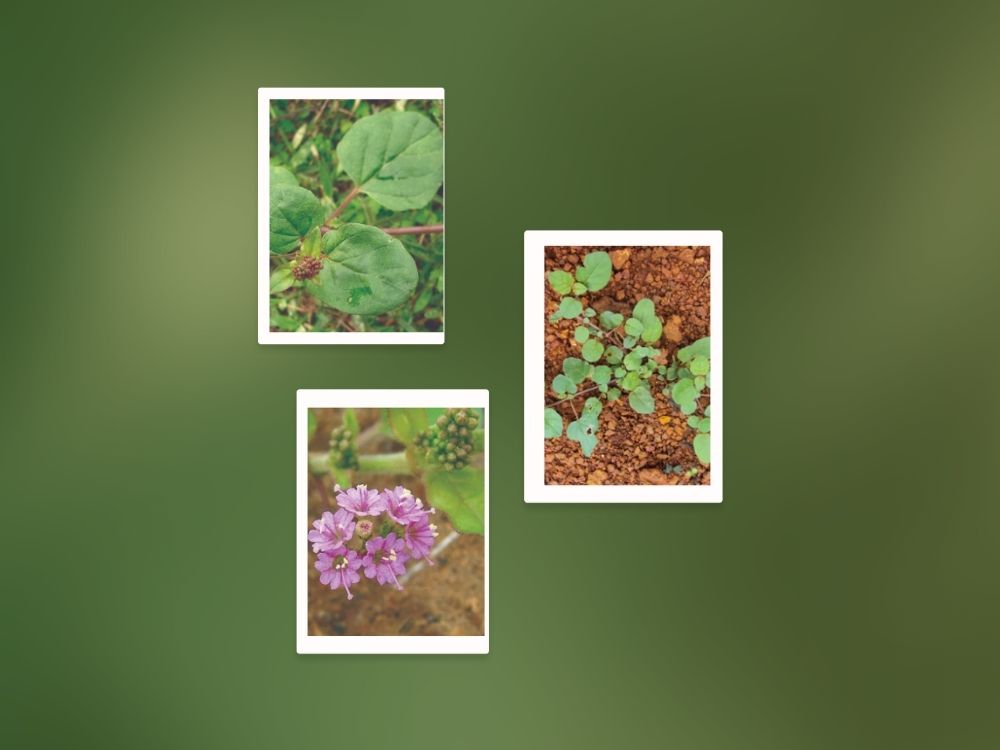
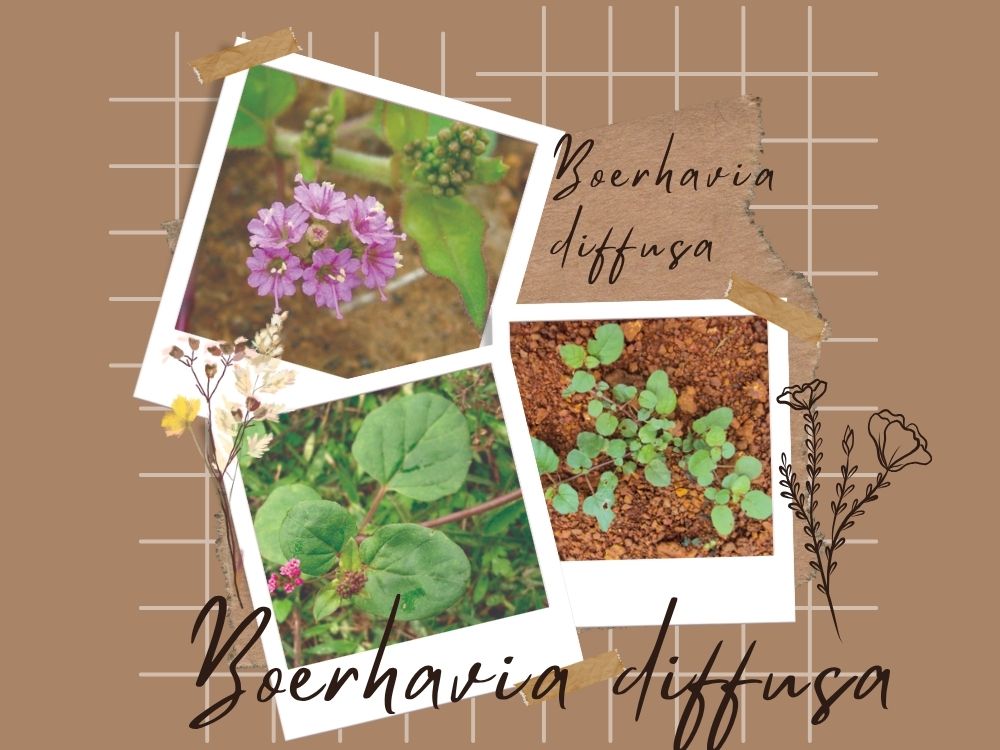
- Plant Structure: A creeping, spreading herb that grows along the ground. Its branches are soft, somewhat thick, and extend 1 to 1.5 yards in length.
- Leaves: Leaves resemble those of khurfa (purslane) but are larger and more oval. Some leaves are longer, while others are broader. They have a slightly sharp and crunchy taste.
- Flowers: Small flowers grow in clusters and may be
- White
- Light red
- Sometimes bluish They often have fine veins and a mild fragrance.
- Seeds: Small black seeds are present in nodules at the joints (nodes) of the branches.
- Root: The root is long and medicinally important, especially in dried form.
Habitat and Distribution
This plant is widely found in:
- Pakistan and India
- Egypt and Sri Lanka (Ceylon)
- Other tropical and subtropical regions
It grows easily in open fields, roadsides, and cultivated lands.
Types
- Red variety:
Contains about 1% punarnavine in dried leaves and up to 4% in roots - White variety:
Contains higher punarnavine content (up to 10%) in dried leaves
Both types have similar medicinal uses, though potency may vary.
Chemical Composition
- Punarnavine (active alkaloid)
- Potassium salts (nitrate, sulfate, chlorides)
- Non-volatile oils
- High water content in fresh leaves
The high potassium content contributes to its strong diuretic action.
Temperament (Mizaj)
- Warm and dry (second degree)
Pharmacological Actions
- Diuretic (increases urine flow)
- Anti-inflammatory
- Antipyretic (reduces fever)
- Expectorant (removes phlegm)
- Astringent
- Detoxifying and anti-toxic
- Mild laxative and appetite stimulant
Medicinal Uses
- Urinary Disorders: Juice of fresh leaves mixed with milk helps in:
- Difficulty in urination
- Water retention (edema)
- Liver, Spleen, and Kidney Health: Useful in:
- Jaundice
- Liver enlargement or hardness
- Spleen and kidney disorders
- Digestive Disorders: Helps in:
- Diarrhea and watery stools
- Constipation
- Improves appetite
- Respiratory Problems: Effective in:
- Asthma
- Phlegmy cough
- Fever:
Used as a natural antipyretic - Skin and Wound Care:
- Applied on boils and swellings
- Used on scorpion stings as an antidote
- Eye Health: A decoction or juice of leaves is traditionally used as an eye tonic
- Reproductive Health:
Helps regulate menstruation - Nervous System: Used in:
- Epilepsy and mental disorders
- Weakness in children (oil massage helps in walking development)
- Other Uses:
- Reduces testicular swelling
- Helps in arthritis and joint pain when applied externally
- Useful in cholera and excessive thirst
Special Benefits
- Strong diuretic and detoxifying herb
- Supports menstrual regulation
- Acts as a general body tonic
Dosage
- Dried seeds: 2–3 grams
- Root: 5–7 grams
- Juice: Around 6 grams to one tola (as traditionally used)