



Introduction
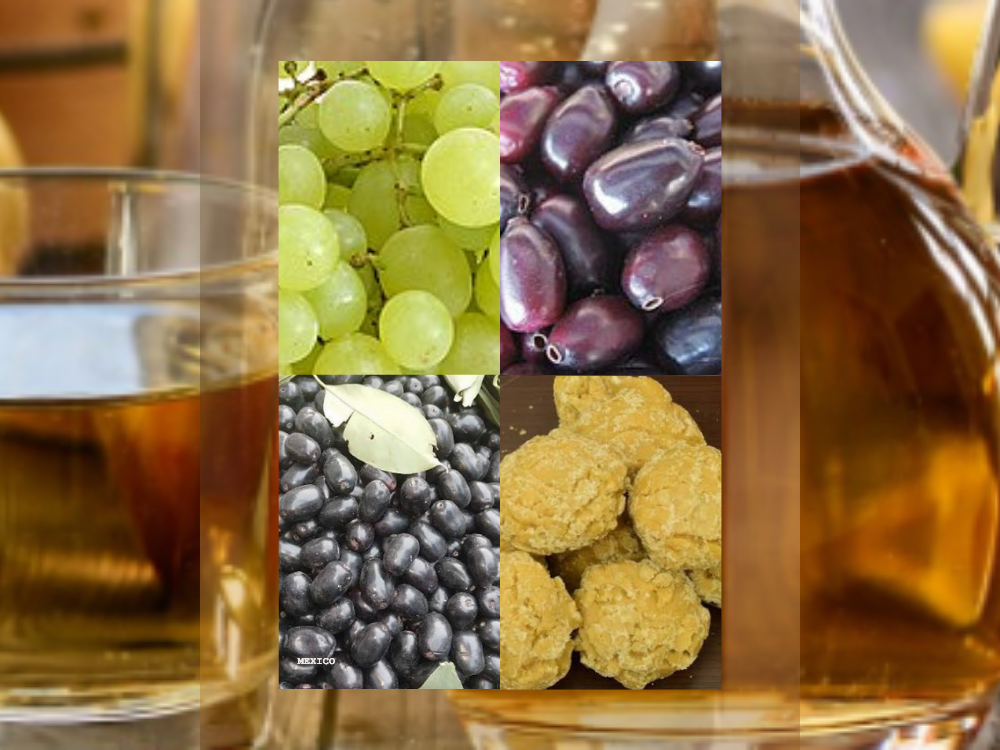
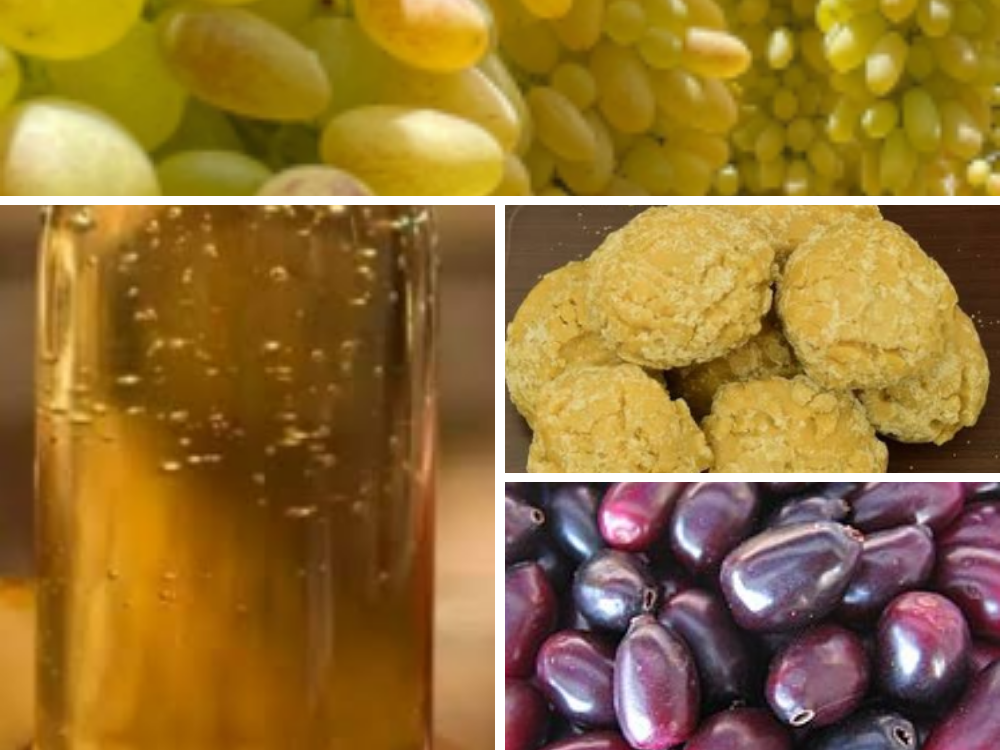
Vinegar is a well-known liquid usually prepared from sweet substances such as grapes, jamun, jaggery, and similar ingredients. The yeast is fermented by soaking it in an earthenware vessel. Traditionally, the process may take about one year, although vinegar can also be prepared within 15–20 days. Once ready, it is cleaned and bottled.
Temperament
It is described as having both hot and cold properties, with the cold quality predominating. Some traditional sources classify it as cold and dry, second degree.
Actions
- Astringent
- Rapidly acting
- Cuts and softens thick secretions
- Traditionally used against intestinal worms
- Relieves pain
- Aids digestion
- Relieves excess bile
Uses
Vinegar is traditionally used during the early stages of hot and high fevers. Rose oil, vinegar, and rose water, together with ice, may be applied to the head as a cooling preparation.
Because of its rapid action, it is often used with compresses and massages. It may also be used in the ear for ear discomfort and pain.
Gargles prepared with suitable medicines and vinegar are traditionally used for toothache, gum disorders, and throat conditions.
Vinegar is commonly used as a food ingredient in chutneys, pickles, and other preparations. It is traditionally believed to stimulate appetite and aid digestion.
A syrup known as Skunjin is prepared by mixing vinegar with sugar and is traditionally used for various ailments.
Special Benefits
- Soothing
- Rapidly acting
Harmful Effect
May be harmful to the nerves.
Corrective
Honey
Substitute
Lemon juice
Dosage
approximately 70–12 grams