



Introduction
Aloe, commonly known as Aloe vera, is a well-known medicinal plant valued for its therapeutic and healing properties. The word “aloe” originates from Latin and is associated with the idea of patience due to the slow but effective action of the plant in healing and medicinal treatments. The plant is widely used in traditional medicine systems because of its laxative, digestive, and tonic effects.
Botanical Description
The plant known as Elva is scientifically described as Elvaia iraeluchai mannan sis. In the Punjab region it is commonly called Kuwar Gandal, while in Hindi it is known as Ghekwar. Several varieties of this plant exist. It is widely cultivated in tropical and subtropical regions of the world, particularly in the West Indies, and is also grown in India, Pakistan, Arabia, Africa, and America.
In India, the plant is found in coastal regions such as Bombay, Gujarat, Mysore, and some districts of Madras and Thiawad, as well as in the foothills of the Himalayas.
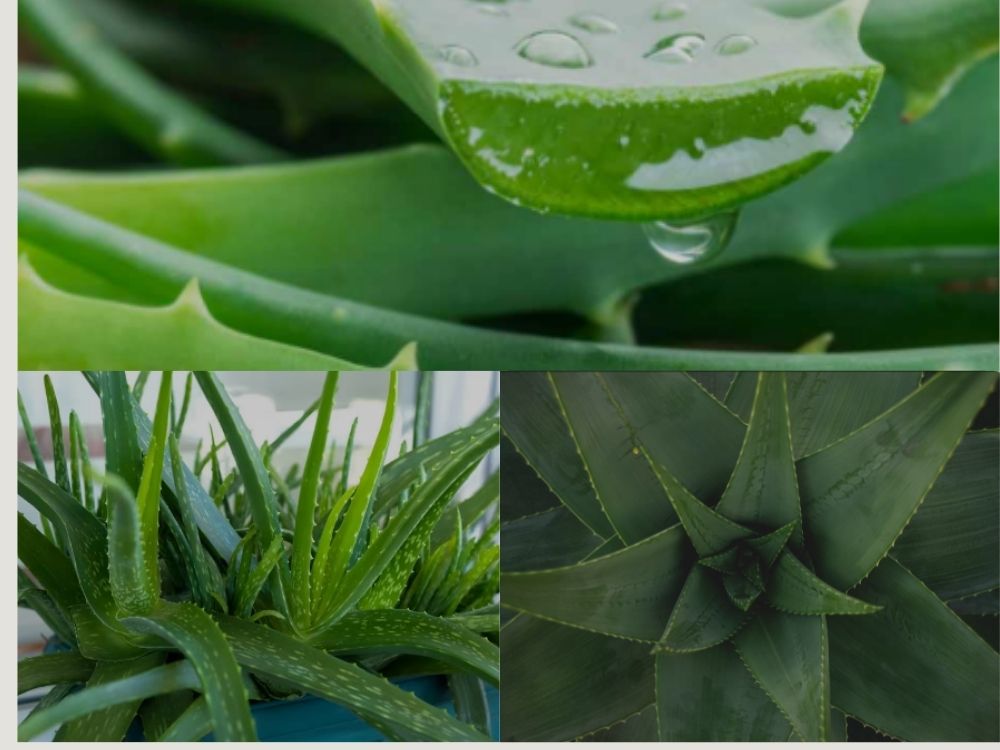
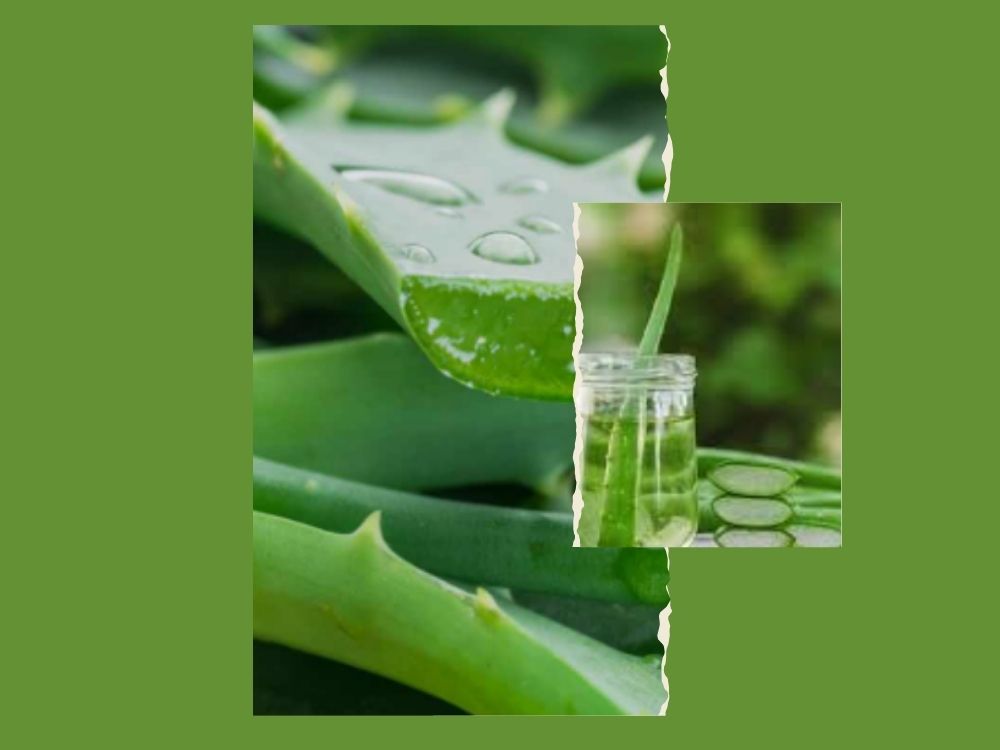
Ghekwar is a common succulent plant that typically lacks a visible stem or stalk. Thick, fleshy, and elongated leaves grow directly from the base of the plant. These leaves are edged with small thorns and are filled with a mucilaginous pulp. Each leaf is usually about one foot long and approximately two and a half inches wide. The pulp inside the leaves has a musk-like smell and a bitter taste.
Although the plant generally does not bear fruit, during the months of February and March, a long, straight flowering stalk emerges from the center of the plant. At the top of this stalk, ear-shaped pink flowers appear. The plant reproduces by spreading its roots, which produce new plants. Aloe can grow in a variety of soil types and agricultural environments.
Reason for the Name
According to Gilani, aloe acts as a mild laxative. Its purgative effect occurs slowly, and the bowel movement appears after some delay. Because of this slow but effective action, it is associated with the concept of patience.
Historical Background
Aloe has been known as a medicinal plant for centuries. Historical records indicate that the Greeks were familiar with this plant around four hundred years before Christ. The famous Greek physician Dioscorides mentioned aloe in his medical writings. Later, in the tenth century, knowledge of this medicinal plant spread to Britain.
Chemical Composition
Aloe contains several important chemical compounds responsible for its medicinal properties. These include:
- A bitter principle composed of sabrin
- Modine
- Resin
- Volatile oil
- Gallic acid
Pharmacological Actions
Aloe possesses several medicinal actions, including:
- Laxative
- Astringent
- Stomachic (improves digestion)
- Intestinal tonic
- Anthelmintic (kills intestinal worms)
Medicinal Uses
Women’s Health
Aloe is traditionally used in treating certain gynecological conditions, particularly:
- Suppression or delay of menstruation
- Irregular menstrual cycles
- Chronic constipation associated with digestive weakness
In young women suffering from anemia, weakness, and absence of menstruation, aloe is often used in combination with iron compounds to improve blood quality and regulate menstrual flow.
Digestive System
Aloe is beneficial for the stomach and intestines, particularly in cases of chronic constipation. Unlike many laxatives, its effectiveness does not diminish with repeated use. When combined with herbal ingredients such as rhubarb extract, butter, fennel, celery, and Khorasan, it can reduce intestinal spasms.
In small doses, aloe may also help relieve hemorrhoids. An infusion of the plant helps expel intestinal worms, stimulates the muscles of the colon, and promotes the secretion of bile.
Other Therapeutic Uses
Aloe has been described as
- A stimulant for the liver
- Beneficial for the brain and eyesight
- Helpful in relieving joint pain
However, repeated use by pregnant women may lead to abortion, so it should be used with caution during pregnancy.
An ointment prepared from aloe pulp is also applied externally to help reduce swellings and inflammatory lumps.
Compound Preparations
Several traditional medicinal preparations contain aloe as a key ingredient, including:
- Hab Sheebar
- Hab Fiqra
- Hab Sabr
- Hab Tankar
- Hab Madar Haidh
These formulations are commonly used in traditional herbal medicine.
Dosage
The recommended dosage in traditional medicine is
- Aloe preparation: 1 to 0.4 milligrams
- Muz Ghekwar (Aloe pulp): 7 grams to 1 tola
A paste made from Ghilwar and Ghekwar is also applied externally to treat swellings.