



Introduction
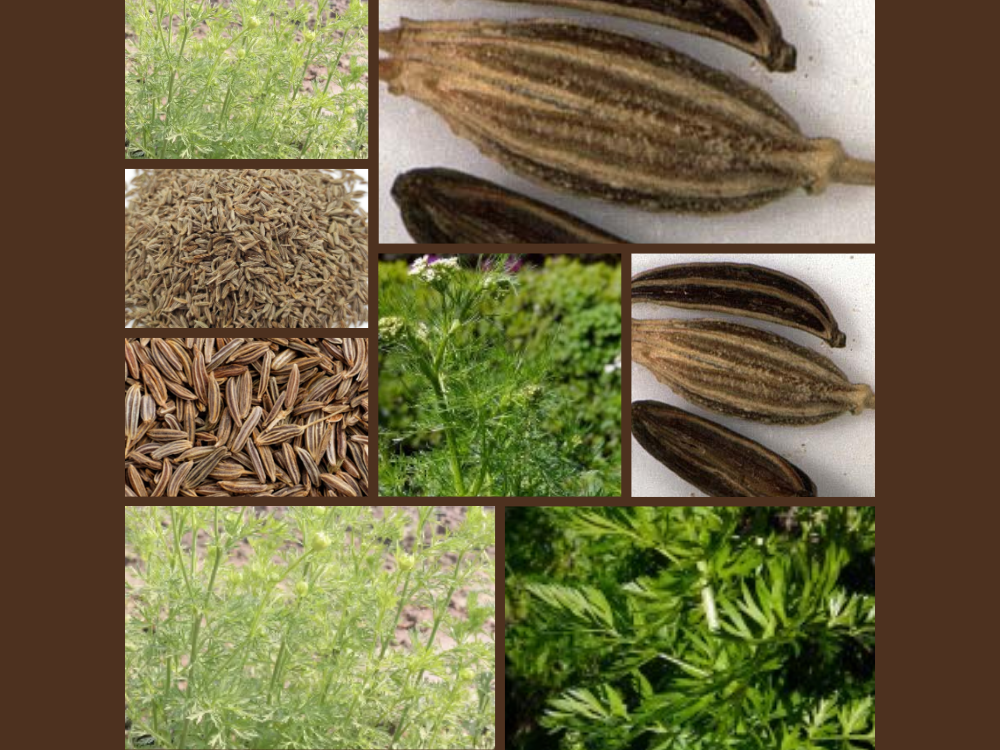
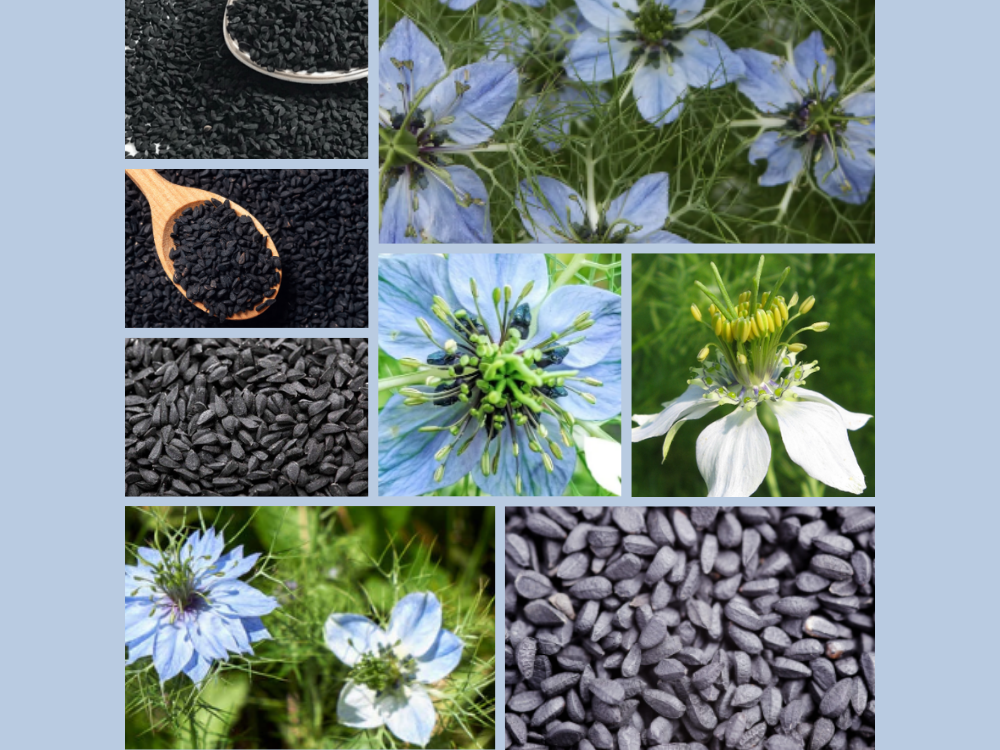
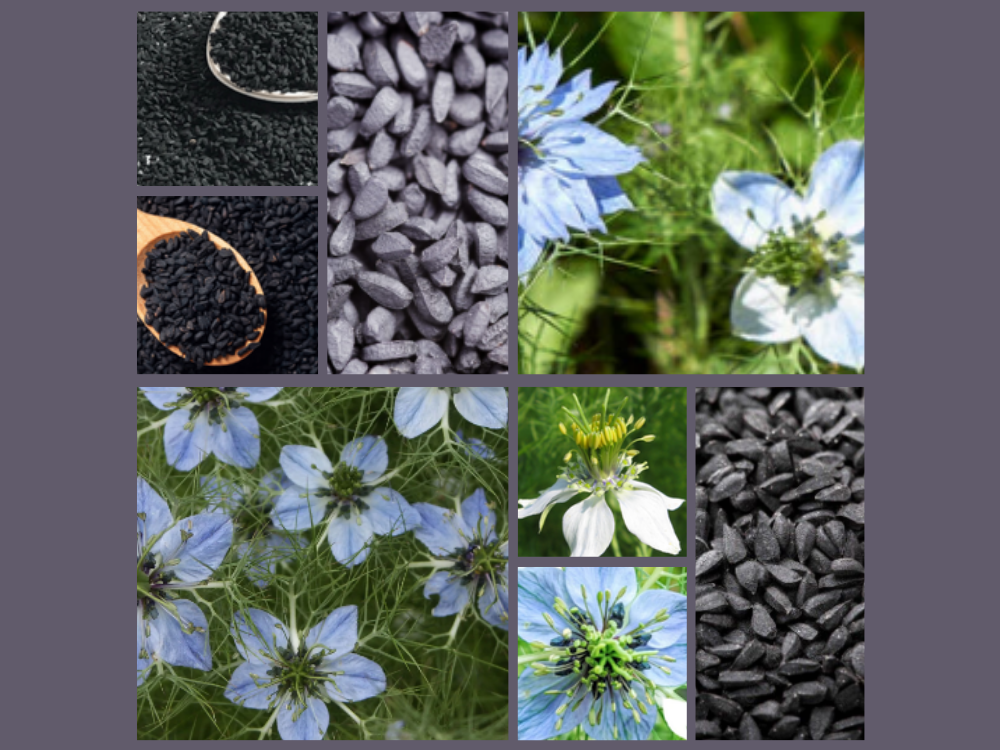
The Black Cumin plant grows about two to three feet high and resembles the white cumin plant. Its flowers are arranged in long panicles but are slightly smaller than those of white cumin. The seeds are also smaller than white cumin seeds, but they are more fragrant and are black or dark inky-brown in color.
It is produced in Kashmir, Garhwal, and the northern regions along the Himalayas. It is cultivated in some hilly areas and is mostly imported from Afghanistan.
Chemical Composition
Black cumin contains approximately:
- 37.5% of its principal contents
- 1.5% non-volatile oil
- 8.25% volatile oil
- Albumen
- 2% mucilage
- 1.4% vitamins
- 4.5% mineral matter
- Other components
Its volatile oil contains approximately 53% to 63% carvone.
The oil is soluble in 80% alcohol and is described as being eight times more soluble than in water. It should be stored in airtight glass bottles.
Chemical Properties of the Oil
The oil contains several important components:
- Cymene, which is also found in eucalyptus
- Carvone, a characteristic component of cumin
- Limonene, a component of turpentine oil that is also found in lemon
Temperament
Warm and dry in the second degree.
Actions
Externally:
- Astringent
Internally:
- Stomachic
- Moisturizing
- Expectorant
- Mild expectorant
- Emollient
Uses
Due to its astringent properties, its paste or decoction is traditionally used to improve the complexion and is also used in eye drops, for nail disorders, and for swelling.
It is traditionally considered useful for a weak stomach, flatulence, and indigestion. It is also used to help relieve spasms and is widely incorporated into powdered preparations.
Its extract is traditionally used for stomach disorders in both adults and children and helps relieve flatulence. It is also used as a component of hot spice mixtures.
The astringent juice of the plant is traditionally used for uterine pain and swelling. It may also be applied as a poultice to help relieve and reduce swelling and pain.
The poultice is traditionally used for fever associated with stomach disorders.
If a child develops breast pain and swelling due to excessive milk production and milk stagnation, its poultice is traditionally considered useful. For women with insufficient milk production, it is traditionally believed that consuming it may help increase milk production.
Famous Preparations
Black cumin is used in various traditional preparations, including:
- Jawarish Kamuni
- Jawarish Kamuni Laxative
- Sufuf Madar Haid
- Sufuf Lunga
- Sufuf Makaliyatha
- Sufuf Moya
- Sufuf Qaqla
- Cumin seed oil
- Epilepsy lotion
Many other preparations also contain black cumin.
Special Benefit
Traditionally used for ascites.
Dosage
Three to five times a day.
Oil Dosage: One to three drops.
The original text does not specify the quantity for each general dose. The exact dose should therefore be verified from the original source before publication.