



Introduction
Spinach, commonly known as “palak” and scientifically referred to as “Spinacia oleracea,” is a highly valued leafy vegetable widely consumed across the world. Known for its rich nutritional content and medicinal properties, spinach has been an important part of traditional diets, especially in India, for centuries. Its tender green leaves are commonly cooked and enjoyed as a healthy vegetable.
Plant Description and Growth
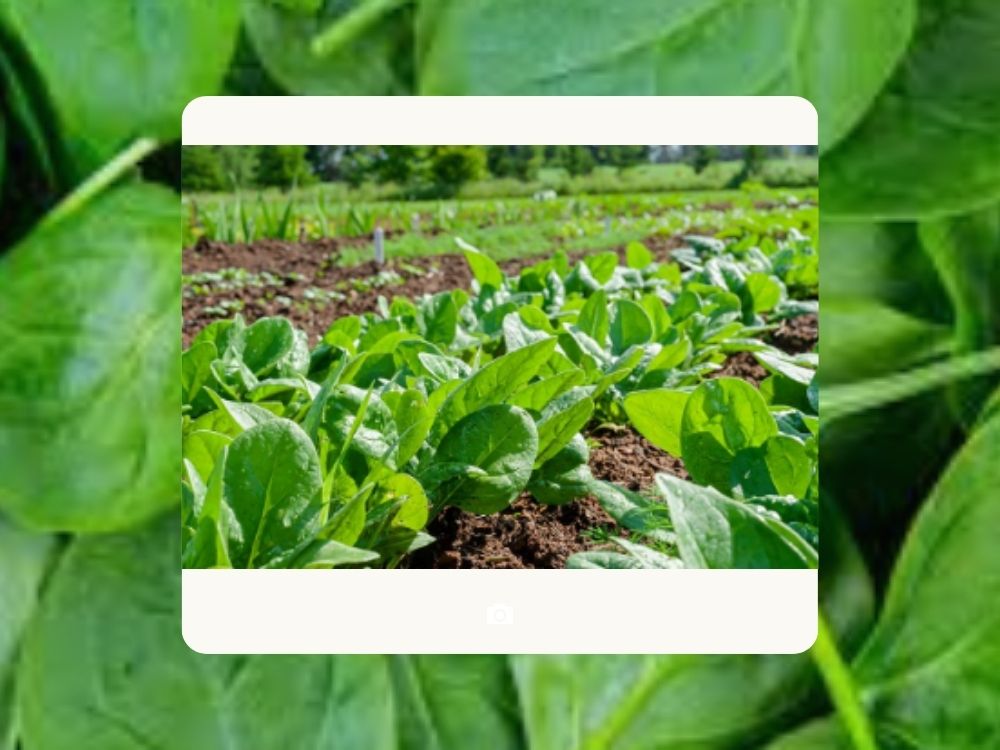
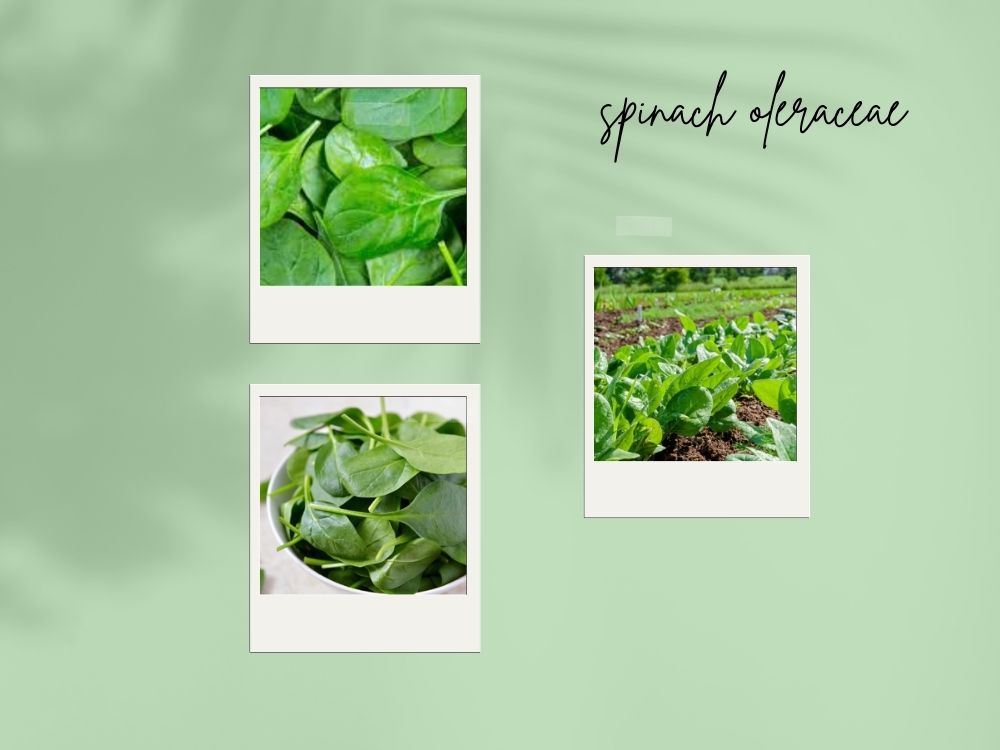
Spinach is a leafy plant in which the edible leaves are separated from the root. The leaves resemble those of chicory or lettuce but are thicker, broader, and darker green in color. The plant typically grows between nine inches and one or two feet in height. Its leaves are long and wide, while the stalk is positioned at the back and is round with a reddish color.
The flowers of spinach are tiny and grow in clusters. Its seeds are hardy and resistant to cold conditions, making the plant easy to cultivate. Spinach is commonly grown in gardens, pots, and beds. It is produced abundantly until Baisakh, and its leaves grow back quickly after harvesting. This makes it a highly sustainable and productive crop.
Nutritional Composition
Spinach is rich in essential nutrients and contains a high percentage of water, approximately 96%. It also provides around 1% protein and about 4% carbohydrates. In addition, it contains small amounts of natural oils along with important minerals such as calcium and phosphorus.
Spinach is particularly valued for its iron content, which is about 50 mg per 100 grams. It is also an excellent source of vitamins, especially vitamin A, ranging from 2,630 to 30,500 international units, and vitamin C, which is present at approximately 48 milligrams. Furthermore, it contains nitrates and natural sugars, contributing to its nutritional richness.
 Temperament (Mizaj)
In traditional medicine, spinach is considered cold in the first degree. This cooling nature makes it especially beneficial for conditions associated with heat in the body.
Medicinal Functions
Spinach plays an important role in maintaining health due to its cooling and soothing properties. It helps reduce heat and inflammation in the body and supports digestion. Additionally, it acts as a natural laxative, promoting bowel movement and relieving digestive discomfort.
Health Benefits and Uses
Spinach is simple to digest and is widely used as a natural remedy for constipation. It is particularly beneficial in hot fevers, jaundice, and inflammation of the urinary tract. Regular consumption as a vegetable supports overall digestive health.
The juice extracted from fresh spinach leaves can be taken with honey or herbal tea, which may help in improving blood-related conditions. It is also considered beneficial in chronic constipation due to its mild laxative effects.
However, spinach should be consumed in moderation, as excessive intake may contribute to the formation of kidney stones in some individuals due to its natural compounds.
Spinach Seeds: Properties and Uses
Spinach seeds are yellowish-green in color and have a mild, somewhat dull taste. They possess different medicinal properties compared to the leaves and are also used in traditional remedies.
Temperament of Seeds
The seeds are considered cold and moderate in nature, making them useful in calming heat-related conditions.
Medicinal Actions of Seeds
Spinach seeds have soothing, cooling, and diuretic properties. They help in reducing heat within the body and promote the flow of urine, which aids in detoxification.
Uses of Spinach Seeds
The seeds are beneficial in conditions such as bilious and bloody fever, tuberculosis, and urinary inflammation. They can be used alone or in combination with other herbal medicines.
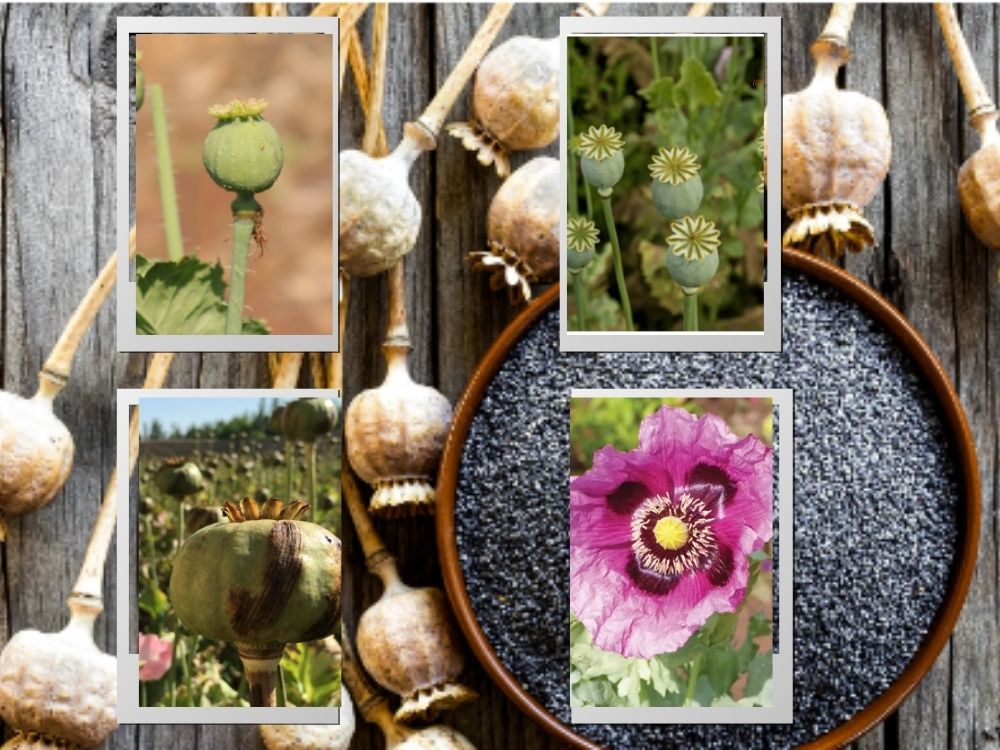
When ground and mixed with poppy seeds, they can be applied externally to treat skin conditions such as ringworm and itching. After application, the affected area is washed with water boiled with neem leaves for better results.
In another traditional remedy, spinach seeds are mixed with baobab in equal amounts and used to eliminate intestinal worms.
Dosage
The recommended dosage of spinach leaf juice is about 10 to 20 tolas. For seeds, they may be used in small quantities multiple times a day, typically 5 to 7 doses depending on the condition and preparation.