



Introduction
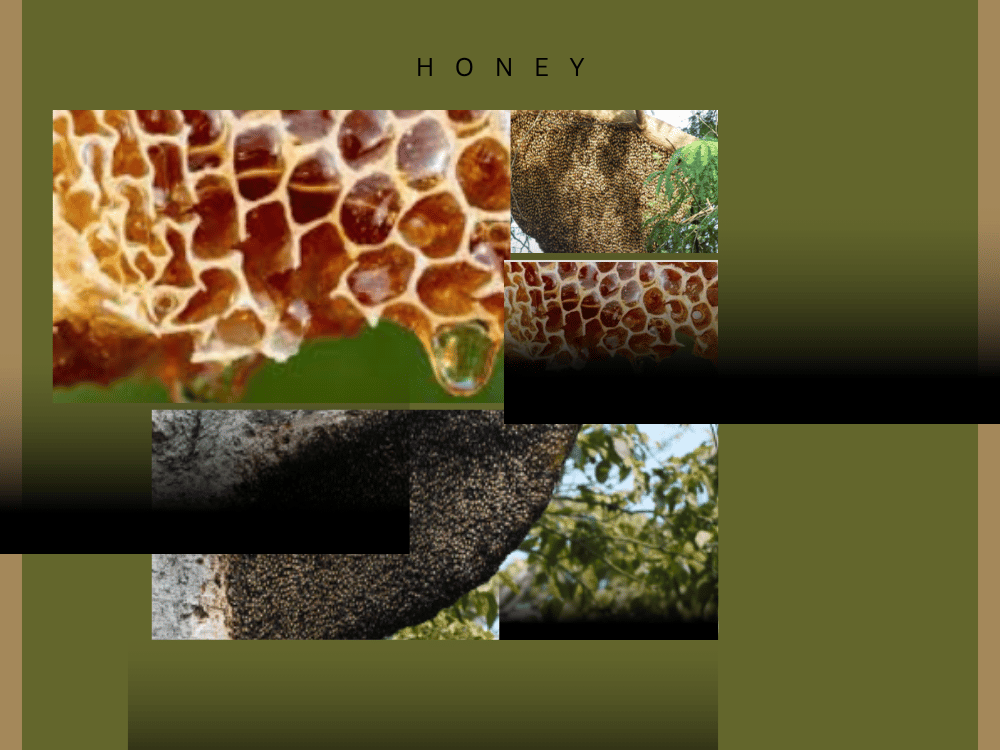
Honey is a thick, semi-transparent substance that appears slightly yellowish or brownish in color. As it ages, it becomes opaque and develops visible particles resembling sugarcane juice, with a rich and sweet taste. It possesses a mild and pleasant fragrance. According to scholars and medical practitioners, high-quality honey exhibits specific characteristics.
Characteristics of High-Quality Honey
The finest honey is highly fragrant, obtained from pure floral sources, and has a rich, sweet taste. It may have a slightly sharp flavor, but it is never bitter. The best variety is reddish and transparent, with a clarity even greater than wax. The second grade of honey is white and transparent. Honey produced during the Rabi season is generally considered superior to that produced in the Kharif season, although some experts hold differing views.
Defective and Harmful Honey
Honey that appears black, green, dusty, or has been collected in winter with a bitter and acrid taste, or has been stored for more than two years, is considered defective. Scholars unanimously agree that such honey is harmful. Its use may irritate mucous membranes and negatively affect human health.
Types of Honey in Vedic Medicine
In traditional Vedic medicine, honey is categorized into four types. Yellowish, ghee-colored honey is considered dry in nature. White, clean, and transparent honey is regarded as the best quality. In contrast, blackish honey with an iron-like color is considered defective and harmful.
Case Study: Healing with Honey
An illustrative case highlights the healing properties of honey. A young girl suffered from severe boils covering both cheeks, causing intense pain. Her mother had sought treatment from various doctors and healers, applying numerous ointments and medicines, but the condition did not improve. In desperation, she visited a Hakeem (traditional physician), hoping for divine help through his treatment.
Upon examination, the Hakeem provided a simple remedy—honey. He instructed the mother to mix two spoons of honey in water and give it to the child every morning. Additionally, honey was to be applied to the affected areas of the face at nine in the morning, left for half an hour, and then cleaned with cotton. This application was to be repeated morning and evening.
After fifteen days, the child was brought back for examination. There was a remarkable improvement—her face had cleared significantly, and the pus-filled pimples had disappeared. Continued use for another fifteen days resulted in complete recovery.
A Remarkable Case of Healing
The doctor instructed me to continue using the same medicine for another fifteen days. After a month, the girl became completely healthy. Looking at her, it was hard to believe that she was the same girl whose face had once been covered in boils.
While speaking to the girl’s mother, the doctor explained that the child had been suffering from a liver disorder, which had caused her blood to become impure. This condition had manifested most visibly on her face.
Allah Almighty has placed healing in honey. For this reason, I treated her using honey alone, and by the will of Allah, she fully recovered. The purpose of sharing this incident is to highlight that even medical professionals recognize honey’s natural ability to purify the blood.
Another Incident of Healing with Honey
A few years ago, another remarkable case involving honey was published in the well-known newspaper Nawa-e-Waqt in 1987.
In a remote village in a U.S. state, a man was severely burned when a petrol tank exploded. His wife, faced with this sudden emergency and unsure of what else to do, immediately applied honey all over his body using cotton wool.
The following day, he was admitted to a hospital in a nearby city. The doctors were astonished to see that honey had already healed his wounds to a great extent. Additionally, consuming honey had significantly reduced his pain.
When asked about her actions, the woman explained that during her childhood, whenever someone in her family was injured, their parents would apply honey to the affected area. This would stop the bleeding, and the wound would gradually heal. Based on this experience, she used honey as immediate first aid for her husband.
This example shows that honey is not only a nutritious food but also a divine gift to mankind, containing healing properties in many forms.
The Hard Work of Honeybees
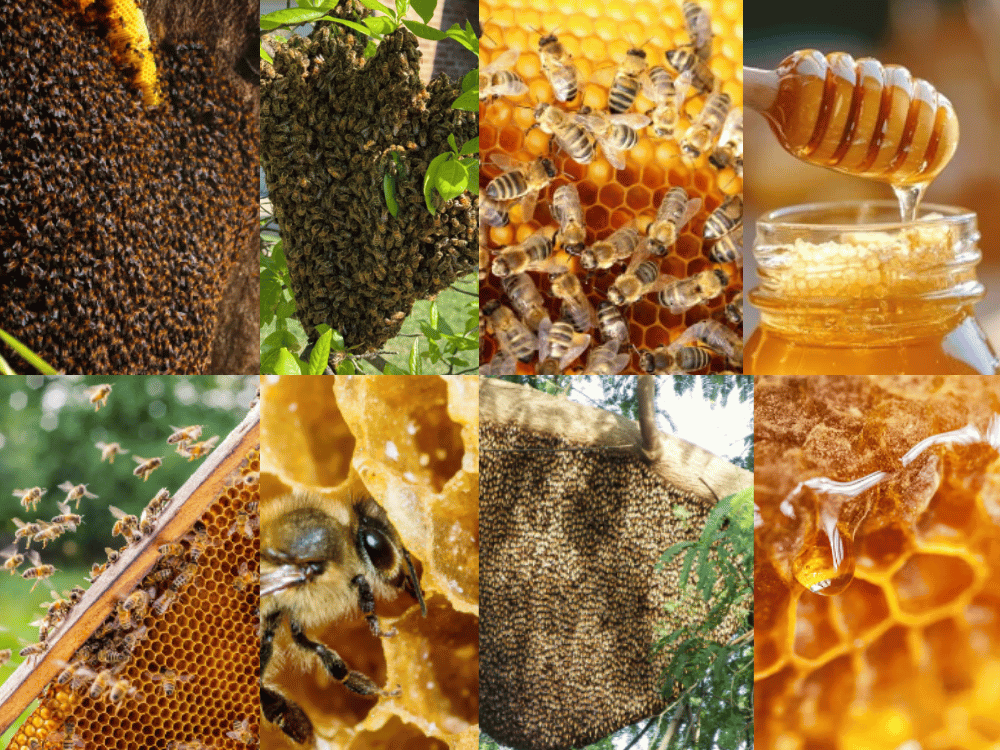
Honey is produced through the tireless efforts of honeybees. These small yet remarkable creatures collect nectar from flowers and plants, often traveling long distances between them and their hives.
It is astonishing to note that a single bee can collect honey equal to many times its own weight. To produce just one spoonful of honey, bees must visit approximately two thousand flowers. Similarly, producing one pound of honey requires about four pounds of flower nectar. This process reflects the extraordinary determination and hard work of these tiny creatures.
Composition of Honey
Long before the invention of sugar and molasses, honey was used by humans—even during the Stone Age, when people lived in caves. It was considered one of the best natural foods. In fact, it would not be wrong to say that the practice of beekeeping began during this period, as humans sought to benefit from this natural sweetness.
Honey contains several important components. Its primary ingredients include glucose (grape sugar), fructose (fruit sugar), and small amounts of sucrose (cane sugar). On average, sucrose makes up about 2.5 to 3 percent of honey, while other sugars can range from 27 to 44 percent, depending on the type of honey.
In addition, honey contains around 28 different mineral salts and various chemical compounds. It also includes dextrose and levulose, which belong to the group of hexose sugars. These sugars are quickly absorbed into the bloodstream, providing immediate energy and strength to the body.
Antibiotic Properties of Honey
Honey contains multiple natural antibiotic properties. These are found in beeswax, royal jelly (the food of the queen bee), the residue formed during honey purification, and in honey itself. Honey exhibits antibacterial effects both internally and externally.
One of its key qualities is its ability to absorb moisture. Germs thrive and multiply in moist environments, but honey reduces this moisture, thereby preventing the growth and spread of infection. This is why honey is effective in healing wounds, including those in the stomach and intestines. Many doctors have successfully used honey in treatment, often avoiding the need for surgery.
Honey and Blood Purification
Honey is highly beneficial for blood purification. When consumed, it combines efficiently with oxygen and undergoes complete metabolism, a property not found in other types of sugars.
It supports the liver and spleen in the production of red blood cells, helps prevent abnormal blood clotting, and reduces excessive bleeding in wounds. This makes honey an important natural aid in maintaining healthy blood circulation.
Honey and Diabetes
Honey is also considered useful for individuals with diabetes when used appropriately. It is believed to have a more balanced effect on blood sugar levels compared to refined sugars because of its natural composition and metabolism in the body. Additionally, it provides strength and energy.
In earlier times, diseases such as heart disease and diabetes were less common. One reason was the absence of refined white sugar in daily diets. People primarily used honey as a natural sweetener, while sugar was considered a luxury item used only by the wealthy.
Traditional and Modern Perspectives
In ancient times, people were well aware of the healing properties of honey. However, many of these benefits have been overlooked in modern medicine without strong scientific justification.
For example, modern medicine has yet to provide a complete cure for rheumatism (arthritis, characterized by joint pain and swelling). In the past, this condition was often treated using bee stings. If a patient could not tolerate bee stings, melted beeswax was applied to the affected area, which helped reduce swelling and pain within a short time.
Modern research has confirmed that bee venom contains certain acids that may be beneficial for rheumatism. Researchers are still working to find effective treatments for allergies such as spring sensitivity (pollen allergy). It is believed that honey made from the nectar of specific plants causing the allergy may help build resistance and act as a remedy.
Honey in Treating Allergies
If the exact source of pollen allergy is identified, consuming honey produced from those specific plants may help the body adapt and reduce sensitivity. In earlier times, this was difficult due to limited resources and knowledge.
As an alternative, traditional methods suggest gently heating honey and inhaling its vapors. According to ancient practices, this method can provide quick relief from symptoms.
Honey as the Elixir of Life
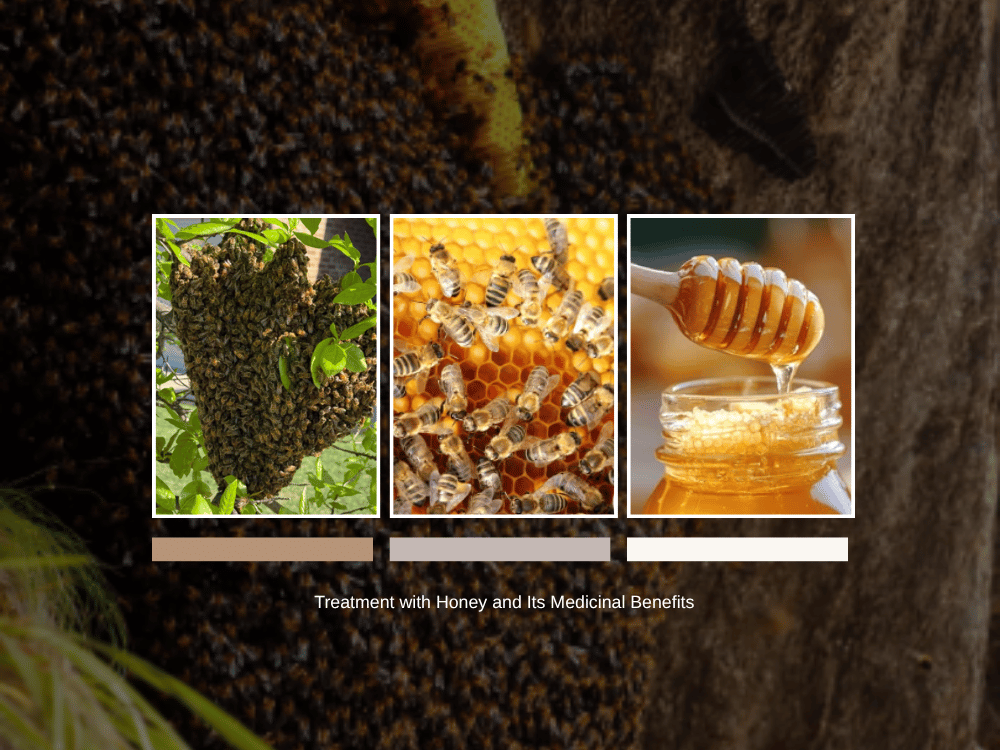
Due to its numerous health benefits, honey has often been referred to as the “elixir of life.” It contains essential vitamins such as A, B, and C, along with important mineral salts. These benefits are not limited to internal use; honey is equally effective when applied externally.
For centuries, different civilizations have used honey as both food and medicine, recognizing its wide range of healing properties.
Reflections from a Medical Perspective
A well-known doctor once wrote that even before entering medical college, he was concerned about the side effects of allopathic medicines. After studying the complexities of the human body and pharmacology, his concerns deepened. He became determined to discover a natural and harmless method of treatment.
During this time, he came across the interpretation of verses from the Holy Qur’an that mention honey:
“And your Lord inspired the bee to build its homes in mountains, trees, and in structures made by people. Then eat from all kinds of fruits and follow the ways made easy by your Lord. From its belly comes a drink of varying colors, in which there is healing for mankind. Indeed, in this are signs for those who reflect.”
This reflection strengthened his belief in the healing power of honey as a natural remedy.
Reflections on the Qur’anic Verses about Honey
A thoughtful consideration of these verses reveals three important points. First, the phrase “where they build their homes” clearly indicates that bees can be domesticated. In other words, wherever humans provide suitable conditions, bees will settle and continue to function according to the wisdom of their Creator. In modern terminology, this practice is known as beekeeping or apiculture.
The second point is found in the statement that “there is healing for mankind.” This suggests that honey serves as a remedy for both physical and spiritual ailments. It encompasses the complete nature of human existence, which includes both body and soul. Although it may seem difficult to understand how spiritual diseases—such as lying, envy, greed, prejudice, and backbiting—can be treated with honey, for people of faith this concept is not difficult to accept.
The third point lies in the word “mankind,” which implies that the healing properties of honey are not limited only to the diseases known today. Rather, it extends to all diseases that may be discovered in the future, as well as those that remain beyond human understanding.
These interpretations reflect a limited human understanding and cannot be claimed as the definitive intent of Allah Almighty. However, they arise from an effort to follow His command to reflect and ponder. As stated in the Qur’an: “Do they not reflect upon the Qur’an, or are their hearts locked?”
Scientific Explanation of Honey’s Healing Properties
The benefits of honey have also been described in detail in the Prophetic Hadiths. From a scientific perspective, honey is a semi-transparent substance composed of complex sugars collected by bees from various flowers and processed into a unique natural product.
Honey is naturally acidic, with a pH level ranging from approximately 3.0 to 4.5. At this level of acidity, most bacteria are unable to survive or multiply. In addition, honey has a high solute concentration, which creates an osmotic effect. This property draws moisture out of bacteria and surrounding substances, effectively inhibiting microbial growth. Even without considering other antibacterial systems, these two characteristics alone are sufficient to explain honey’s ability to kill bacteria.
(Chemical Elements)
| No | Component | Percentage / Amount |
| 1 | Water | 17.00% |
| 2 | Fructose (D-Fructose) | 39.0% |
| 3 | Dextrose (D-Glucose) | 34.0% |
| 4 | Sucrose | 1.0% |
| 5 | Dehydrin | 0.5% |
| 6 | Starch Protein | 1–2% |
| 7 | Acids (Citric, Formic, Acetic) | 0.5% |
| 8 | Alcohol | 0.5% |
| 9 | Minerals (Calcium, Phosphorus, Iron, Iodine) | 1.0% |
| 10 | Vitamins (Vitamin C, B-Complex, Pantothenic Acid) | 0.5% |
| 11 | Enzymes (Staphylase, Anaphorase, Dialysis, Glucose Oxidase) | 0.5% |
| 12 | Wax | 0.05% |
| 13 | Precious Elements (Cadmium, Gold, Bismuth) | 0.05% |
Methods for Identifying Pure Honey
Honey is widely available in both urban and rural areas. According to recent reports, large quantities of honey are produced annually, meeting domestic needs and supporting exports. However, many people are still unaware of the true value of honey and beeswax, and the industry has not received the attention it deserves.
In developed countries such as Germany, the United States, and Australia, honey production is carried out on a large scale using scientific methods. In contrast, quality testing systems in some regions remain limited. As a result, consumers often find it difficult to distinguish between pure and adulterated honey.
Many traditional methods of identifying honey exist, but most lack scientific validation and vary across regions. Therefore, it is important to approach this matter with both traditional knowledge and modern scientific understanding.
Traditional Signs of Pure Honey
According to some medical opinions and traditional knowledge, there are several signs that may help in identifying pure honey:
Dryness and Slight Burning in the Throat
Pure honey is slightly acidic, which can create a mild burning or dryness in the throat. Its high solute content absorbs moisture from the throat, leading to this sensation.
Generation of Heat in the Body
Honey contains glucose, which is quickly metabolized to produce energy. This process requires vitamin B complex, which is abundantly present in honey. As a result, body temperature may rise slightly after consuming honey, creating a feeling of warmth.
Increased Vitality
Medical science explains that certain glands—such as the adrenal, pituitary, and thyroid glands—depend on glucose and fructose for energy. Since honey is rich in these natural sugars, it supports the proper functioning of these glands. This may lead to increased energy levels and overall vitality.
Coagulation of Honey
The coagulation (crystallization) of honey is a natural process that depends on the ratio of glucose to fructose present in it. Pure honey will eventually crystallize unless it has been excessively heated or altered in a way that destroys this property.
The glucose-to-fructose ratio varies depending on the type of flowers from which bees collect nectar. For example, honey derived from mustard and sunflower flowers contains a higher glucose ratio, causing it to crystallize more quickly. In contrast, honey from other floral sources may crystallize more slowly.
Temperature also plays an important role. Honey tends to crystallize more readily at temperatures between 10°C and 25°C. In the international market, crystallization is often considered undesirable, and various methods are used to delay it. One common method is heating honey at a controlled temperature of 60–70°C for no more than 20–25 minutes. However, excessive heating can be harmful.
Overheating honey produces a toxic compound known as HMF (hydroxymethylfurfural), which is harmful to human health. Some producers also add artificial colors, fragrances, or acids to prevent crystallization, but these practices reduce the natural benefits of honey.
Scientific Testing and Quality Concerns
In countries such as the United States and those in Europe, honey quality is tested using advanced chemical methods. However, in some regions, traditional and non-standard methods are still widely used.
One important factor in assessing honey quality is the level of sucrose, which naturally ranges from about 2.5% to 3%. Artificial honey can be produced by preparing thick sugar syrups, adding citric acid, fragrances (such as mustard flowers or neem leaves), and food coloring. Although such honey may resemble natural honey in appearance and smell, it lacks essential natural components.
A key distinguishing feature of real honey is the presence of fine particles such as pollen grains, which are visible under a microscope and sometimes even to the naked eye. These particles contribute to honey’s nutritional value. However, excessive heating and filtration can remove these beneficial components, making the honey appear clearer but less nutritious.
Effects of Heating and Storage
Heating honey above approximately 63°C can significantly reduce or destroy its nutritional properties. Long-term storage also affects its quality.
During heating and storage, simple sugars in honey undergo chemical changes, leading to the formation of HMF. Fresh honey contains only a small amount of HMF (around 0.2–0.6 mg per 100 grams). Even levels up to 3–4 mg are generally acceptable, but higher concentrations reduce honey’s health benefits. If HMF levels exceed 15 mg per 100 grams, the honey is considered unsuitable for consumption.
Over time, honey may also change in taste and color, indicating a decline in its quality.
Traditional Methods of Identifying Honey
Several traditional methods are used to identify pure honey, although they are not scientifically standardized:
- Pure honey may leave a slight bitter sensation in the throat.
- When stretched, it forms a thin thread that bends upward before breaking.
- When dropped into water, pure honey settles at the bottom without dissolving quickly, while artificial honey dissolves rapidly.
- When placed on cotton and burned, pure honey burns cleanly without leaving residue.
- When poured slowly, it may form a coiled pattern similar to a snake.
- When mixed with slaked lime, pure honey may produce slight warmth due to chemical reactions.
While these methods are commonly practiced, they are not always reliable and should not replace scientific testing.
Traditional Perspectives on Honey
According to classical scholars such as Bu Ali Sina (Avicenna), honey is a form of natural dew that collects on flowers and plants. Bees gather this substance and store it in their hives. The characteristics of honey vary depending on the plants from which it is collected.
It is also noted that honey from certain plants may contain toxic properties if the source plants themselves are poisonous. Therefore, the quality and safety of honey depend on both the environment and the floral sources.
Traditionally, the best honey is described as transparent, slightly reddish, thick, and very sweet, free from wax, and capable of forming a thread when stretched between fingers. White honey is considered better for eating, while darker varieties may have different medicinal properties.
Storage and Preservation Properties
Honey has remarkable preservative qualities. It resists spoilage and can preserve other substances for extended periods. For example, fruits such as dates can remain fresh in honey for months, and even meat can be preserved for a significant time.
However, old or spoiled honey may become harmful and should not be consumed. Its taste may turn bitter, sour, or overly sharp, indicating deterioration.
Types of Honey (Traditional Classification)
Traditional medicine describes several types of honey based on color and characteristics:
- Golden (oil-colored): considered cool and dry in nature.
- Yellow: warm and dry.
- White and clear: regarded as high-quality for consumption.
- Dark or black: often associated with stronger properties.