



Introduction
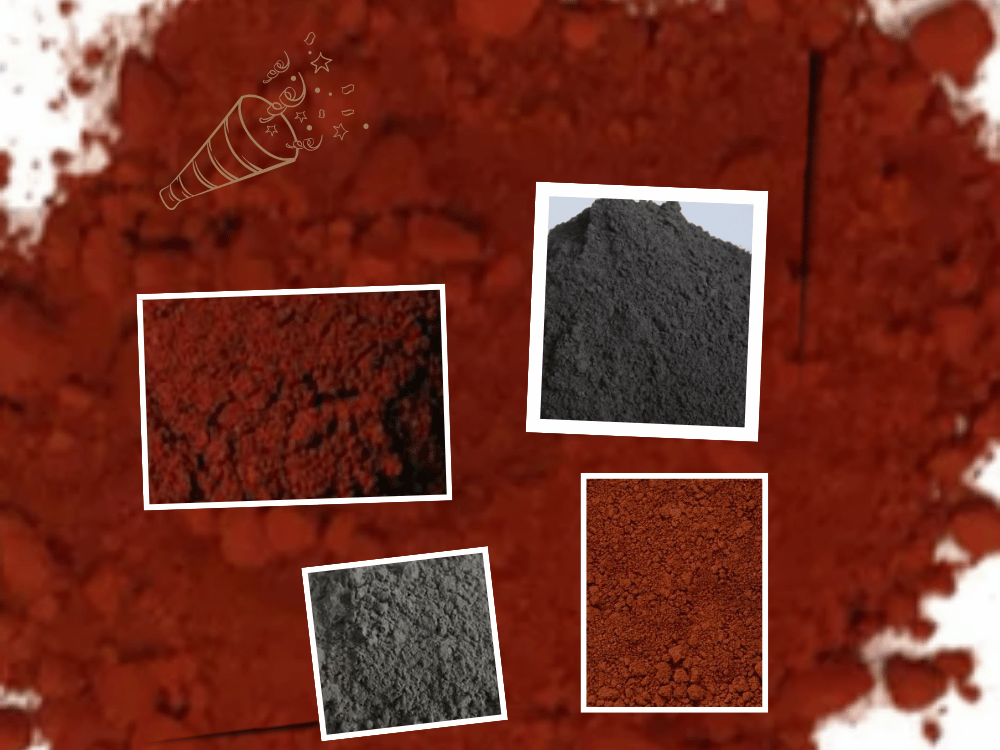
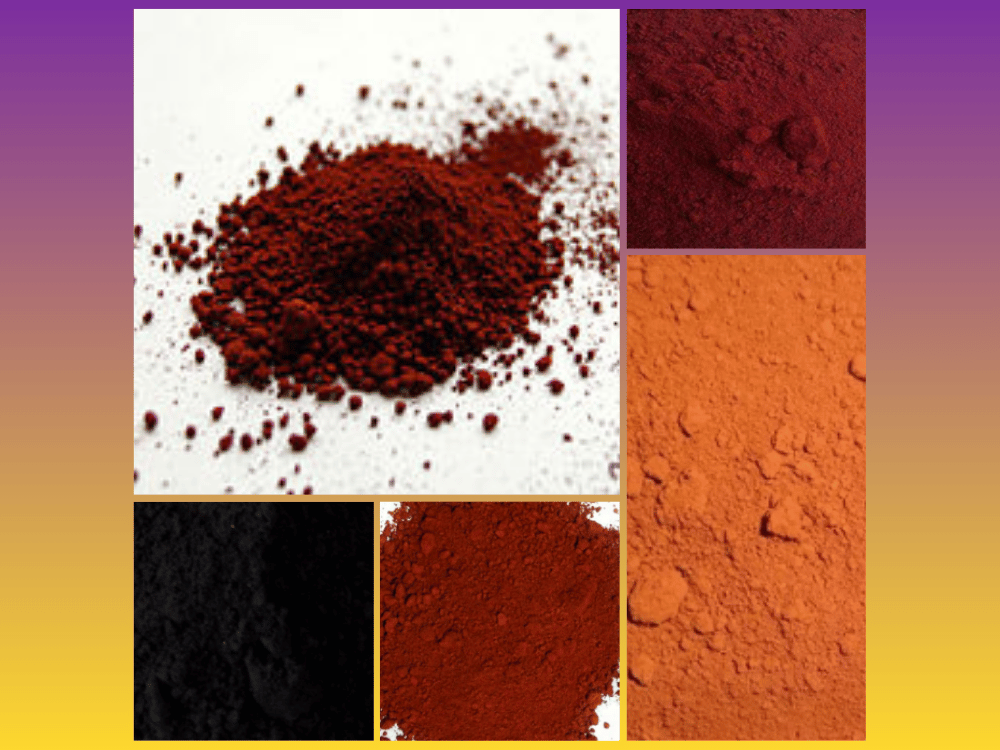
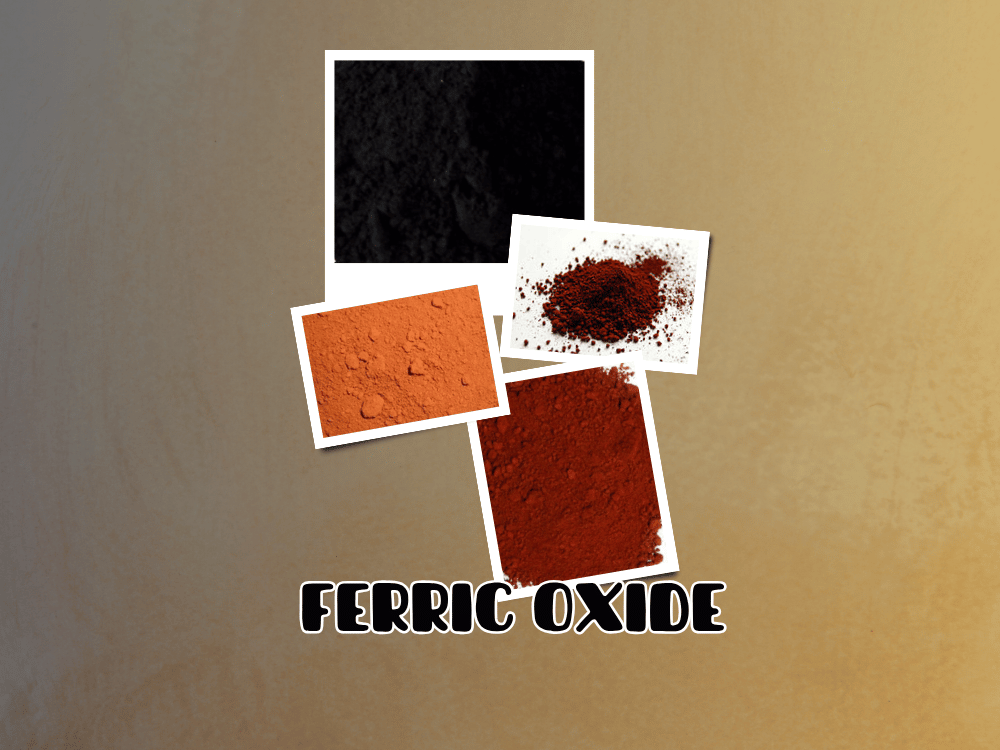
Ferric Oxide is an iron compound traditionally used in Unani medicine for its therapeutic and strengthening properties. In classical texts, it is commonly referred to as Khabth al-Hadeed. This substance was obtained from old iron ruins or from the flakes produced during the process of iron smelting.
Traditional physicians considered high-quality ferric oxide an important medicinal ingredient, particularly for disorders related to the stomach, liver, and blood.
Source and Preparation
Ferric oxide was traditionally collected in two main ways:
- From very old ruins and decayed iron structures
- From the thin flakes produced during iron smelting
According to traditional descriptions, the best quality Khabth al-Hadeed should be old, preferably several years aged, yellowish in color, dry, heavy, and shiny when broken. Material obtained from ancient ruins or washed down by heavy rains was considered especially valuable because of its smooth texture and purity.
The substance was carefully washed, cleaned, powdered, and processed before medicinal use. It was sometimes prepared in paste form and was also used as a substitute for steel-based medicinal preparations.
Temperament in Unani Medicine
According to Unani medicine, ferric oxide possesses the following temperament:
- Hot and dry in the third degree
This temperament classification explains its use in conditions associated with excessive moisture, weakness, and poor digestion
Medicinal Properties
Traditional Unani physicians described ferric oxide as having several important medicinal actions, including:
- Stomach tonic
- Blood-reducing agent
- Absorbent of excess stomach moisture
- Liver tonic
- Bladder tonic
Because of these properties, it was included in various classical formulations.
Traditional Uses
Ferric oxide was traditionally prescribed for a variety of health conditions, particularly those involving weakness of internal organs and excessive bodily discharges.
Use in Digestive Weakness
It was commonly used in cases of:
- Weak stomach
- Poor digestion
- Excess moisture in the stomach
Traditional practitioners believed it strengthened digestive function and improved appetite.
Use in Liver and Bladder Disorders
Ferric oxide was also valued as a liver and bladder tonic. It was used in conditions such as:
- Weak liver
- Liver-related swelling
- Fluid retention (istisqa)
- Bladder weakness
It was often combined with suitable herbal medicines to improve effectiveness.
Use in Gynecological and Rectal Disorders
Traditional texts mention its use in:
- Excessive menstruation
- Hemorrhoids
- Bloody diarrhea
- Chronic bowel disorders
Its astringent and strengthening properties were believed to help control excessive bleeding and discharge.
Important Traditional Preparations
Several classical Unani formulations were prepared using ferric oxide, including:
- Kushta Khabth al-Hadeed
- Majoon Khabth al-Hadeed
- Majoon Habis
- Funjanush Paste
These preparations were commonly prescribed as strengthening and restorative medicines.
Special Benefit
Traditional physicians particularly regarded ferric oxide as:
- An effective liver tonic
It was frequently included in medicines intended to strengthen liver function and improve digestion.
Dosage
Traditional dosage recommendations include:
- One ratti to two ratti
The dosage varied according to the patient’s condition and the specific preparation being used.