



Introduction
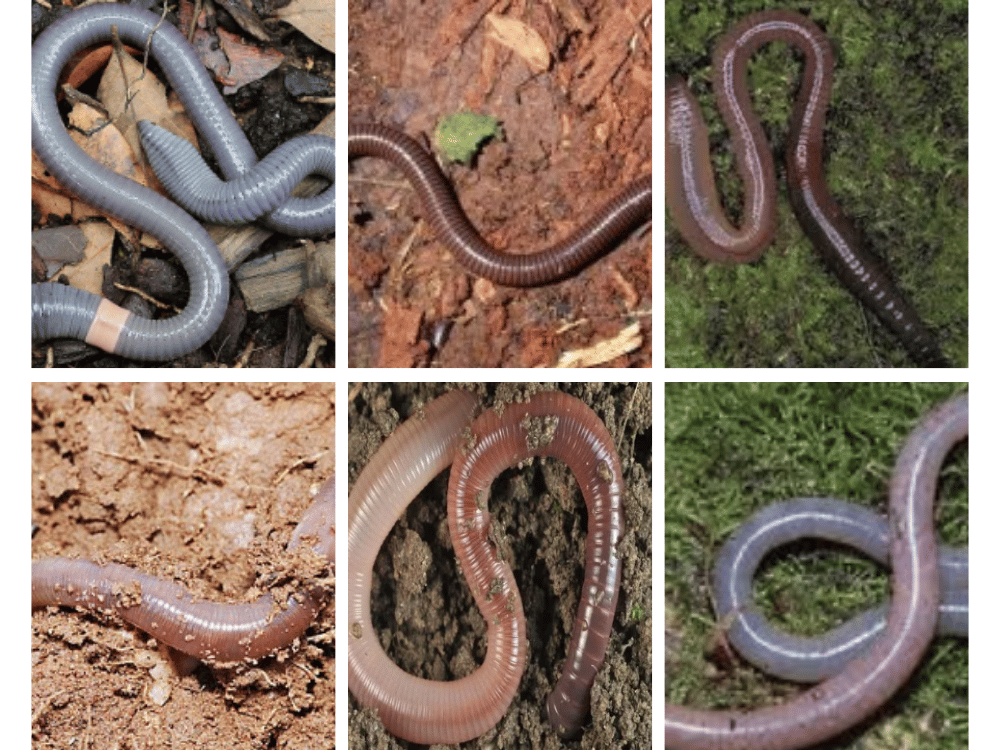
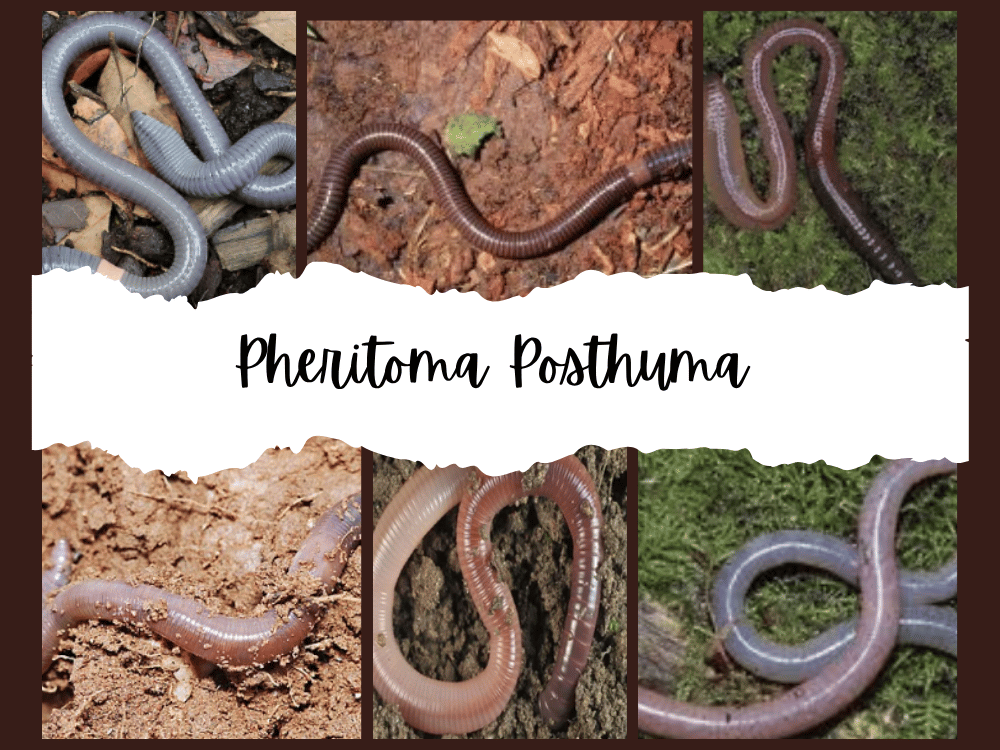
Pheretima posthuma is a commonly known species of earthworm found in moist soil, especially during the rainy season. It is recognized for its copper-brown color and elongated cylindrical body. This harmless creature plays an important role in improving soil fertility and maintaining ecological balance. In traditional systems of medicine, particularly Unani medicine, it has also been valued for several medicinal properties.
Physical Appearance and Habitat
Pheretima posthuma is generally eight to nine inches long and moves by crawling on its underside with the help of muscular contractions and tiny bristles present on its body. The worm is commonly found in damp soil, near burrows, and around moist heaps of organic matter.
During the rainy season, earthworms become more visible because increased moisture creates favorable living conditions for them. Around the entrance of their burrows, small pellets of soft soil, known as worm castings, are often seen. These castings naturally enrich the soil and improve its fertility.
Earthworms are also considered an excellent source of food for fish and certain birds. Despite their simple appearance, they are highly beneficial to agriculture and the environment.
Composition and Scientific Observation
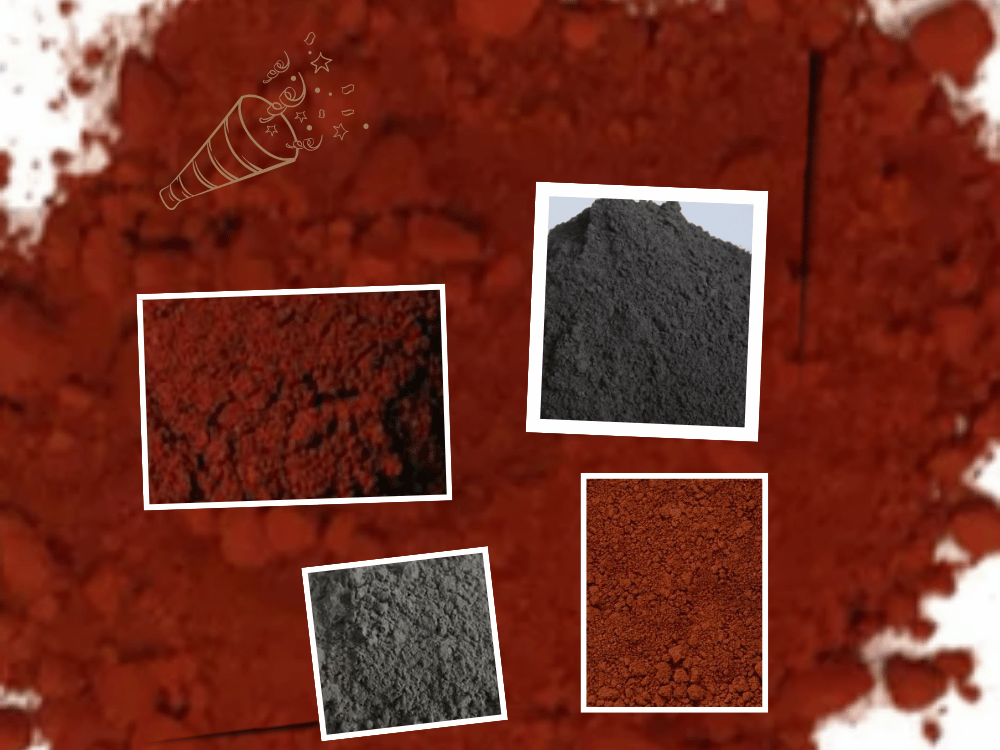
Traditionally, many people believed that the copper-colored appearance of the worm indicated the presence of copper in its body. However, scientific examination and chemical analysis have shown that the coloration is mainly due to pigments and iron compounds rather than copper itself.
This clarification helped correct the misconception that earthworms contain significant amounts of copper.
Temperament in Unani Medicine
According to Unani medicine, Pheretima posthuma possesses a warm temperament of the first degree. Traditional practitioners classified it as a natural tonic with calming and fever-reducing properties.
Medicinal Properties
In traditional medicine, Pheretima posthuma has been described as having the following actions:
- Tonic
- Sedative
- Antipyretic (fever-reducing agent)
These properties made it a part of several traditional medicinal preparations.
Traditional Uses
External Applications
Traditionally, earthworm-based preparations were used externally in the form of ointments and poultices. Freshly ground material was sometimes applied to injured or swollen body parts to reduce inflammation and discomfort.
Some traditional healers also recommended its use in conditions associated with paralysis, stroke, and hot inflammatory swellings.
Internal Use
In certain traditional practices, preparations made from earthworms were also administered internally as a strengthening tonic believed to improve vitality and physical power.
However, modern medical science does not strongly support many of these traditional claims, and internal use should only be considered under professional supervision.
Traditional Remedy for Hemorrhoids
A historical Unani remedy for hemorrhoids involved preparing an ointment using earthworm material, sesame oil, and other herbal ingredients. The ointment was applied externally to the affected area and traditionally believed to provide relief from pain and swelling.
Such remedies belong to historical folk medicine and should not replace modern medical treatment.
Ecological Importance
Apart from traditional medicinal use, Pheretima posthuma is highly important for agriculture and soil health. Earthworms naturally loosen and aerate the soil, allowing better water penetration and root growth. Their castings enrich the soil with nutrients and improve overall fertility.
Because of these benefits, earthworms are often referred to as “natural farmers” or “friends of the soil.”
Recommended Traditional Dosage
Traditional texts mention a dosage ranging from one to three grams. However, due to the possibility of contamination and infection, the use of earthworm preparations should be approached with caution.