



Introduction
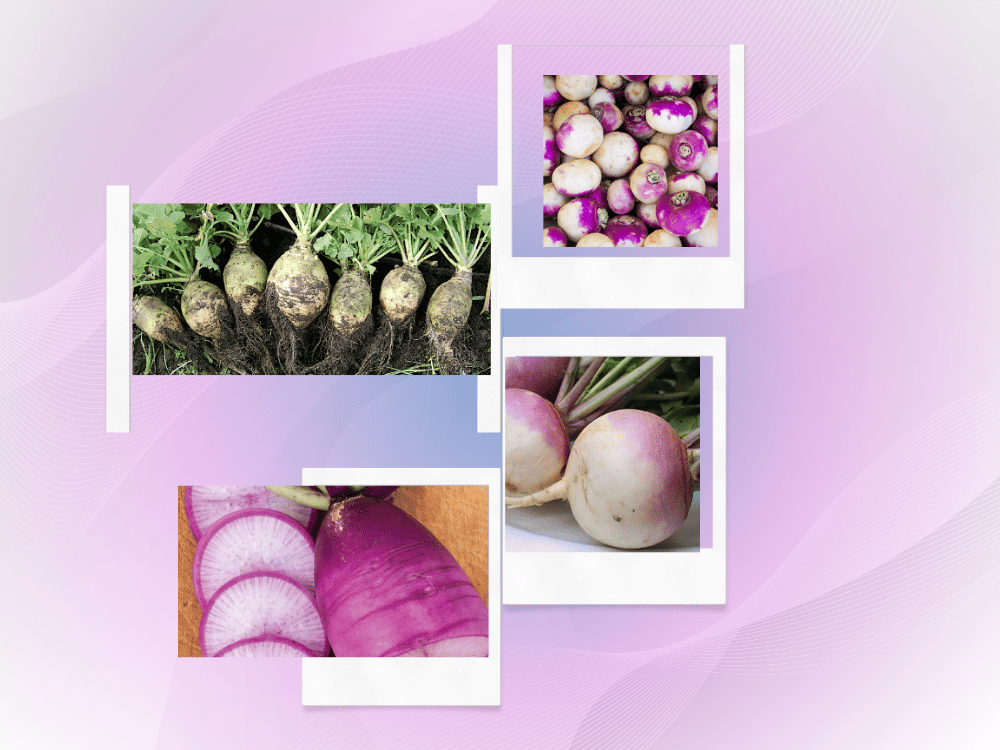
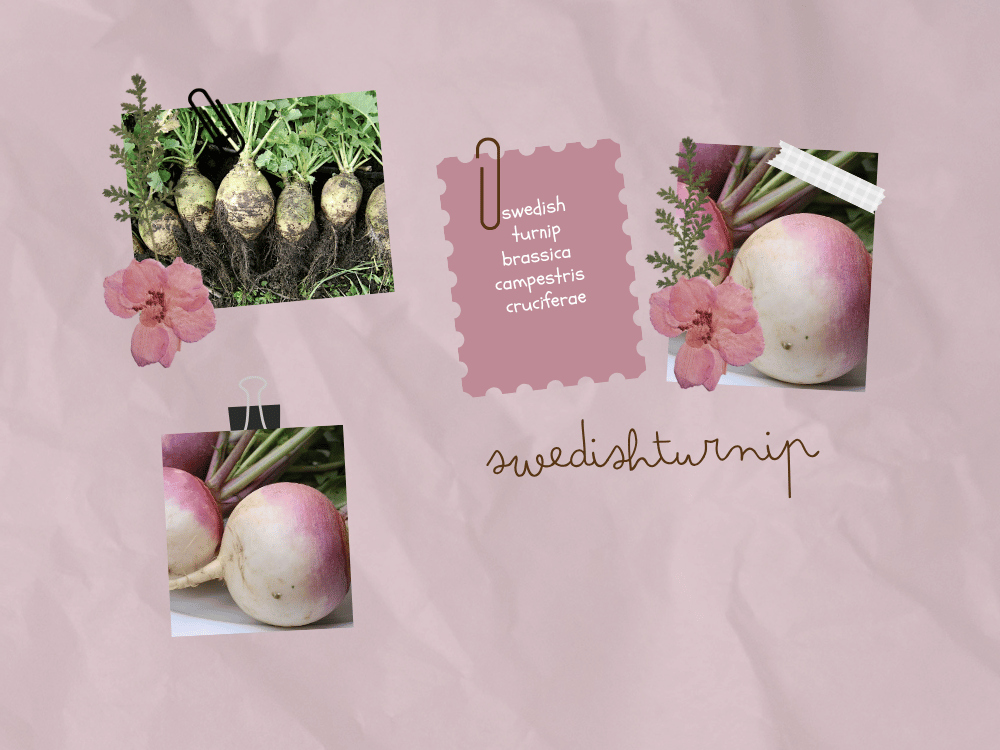
Swedish turnip, commonly known as rutabaga, is a root vegetable belonging to the Brassica family. It is widely cultivated in cold and temperate regions and is used both as a food source and medicinal plant.
Botanical Description
Plant
- The plant usually grows 4–5 feet high.
- It has a straight stem with many branches.
- Leaves resemble radish leaves and vary in color:
- Dark green (blackish)
- Yellowish green
- The leaves are commonly cooked and eaten as greens.
Flowers
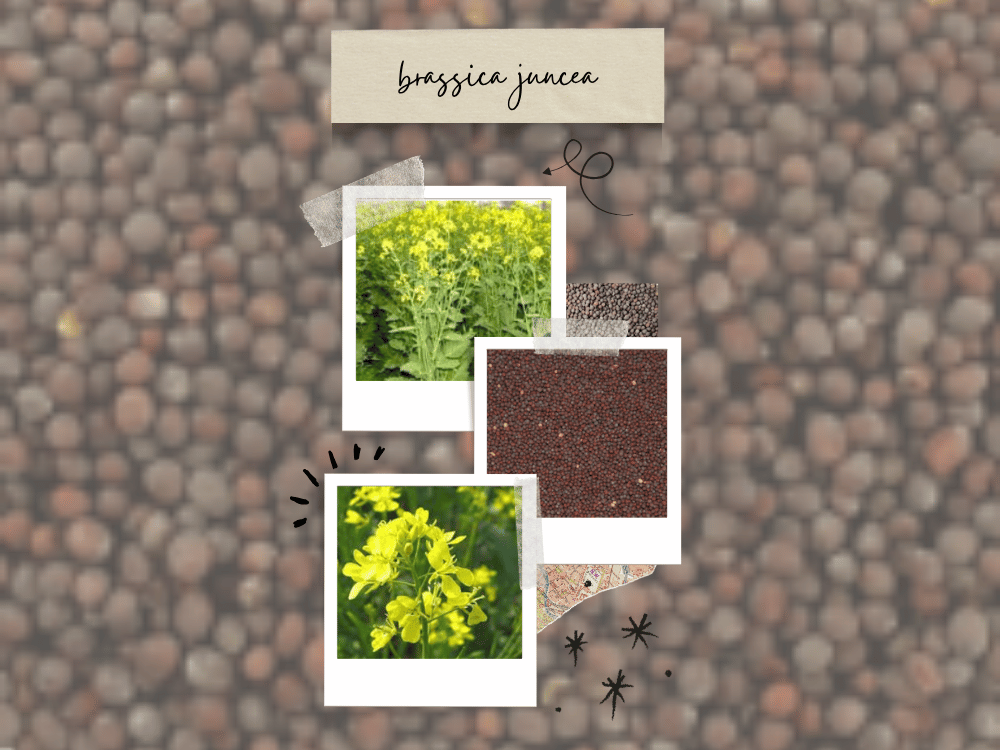
- Flowers are yellow and appear in beautiful clusters.
- They bloom mainly during the spring season.
Pods and Seeds
- Pods are 1.5 to 3 inches long, smooth and green initially.
- They turn yellowish on ripening.
- Seeds are:
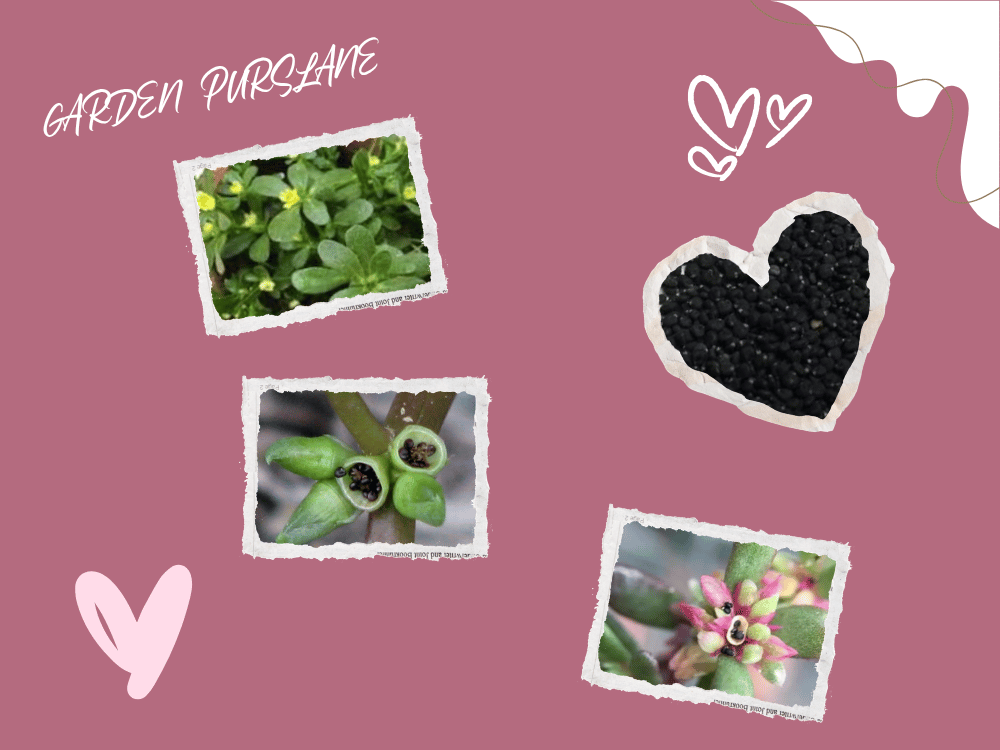
- Small, round, and smooth
- Black or reddish in color
Distribution
- Commonly cultivated in:
- Punjab (Pakistan and India)
- Delhi, Uttar Pradesh (UP)
- Himachal Pradesh and Haryana
- Grown extensively in cold regions
- Also used as fodder for cattle
Oil Content
- Seeds contain about 30–32% fixed oil
- The oil is:
- Less irritating than mustard oil
- Used in food preparation, especially in cold regions
- Known locally as bitter oil in some areas
Chemical Composition
- Fixed oil (~30%)
- Sinalbin
- Sinapine (Sinpine)
- Sulphocyanide compounds
- Myrosin enzyme
- Ash (4%), containing:
- Potassium phosphate
- Magnesium
- Calcium
Temperament (Unani System)
- Hot and Dry – Third Degree
Pharmacological Functions
- Absorbent (Qabiz)
- Blood purifier
- Stimulant (Muharrik)
- Body tonic (Muqawwi Badan)
- Increases internal heat (Hararat)
Uses
Dietary Uses
- Leaves are nutritious and aromatic
- Oil is used as a substitute for ghee, especially in:
- Bitter gourd dishes
- Radish preparations
- Commonly used in cold climates
Medicinal Uses
- Acts as a body tonic and provides warmth
- Useful for people with cold temperament
- Seeds and oil help to:
- Improve metabolism
- Increase body strength
External Uses
- Oil is used for massage:
- Improves blood circulation
- Removes skin blemishes
- Helpful in itching
- Often added to ointments
Skin Care
- Seeds ground into paste and applied to:
- Improve complexion
- Give glow to the skin
Ear Treatment
- Oil mixed with camphor and applied:
- Helps remove earwax
- Relieves ear pain
- Reduces ringing/noise in ears (tinnitus)
Traditional Remedy
- Crushed seeds boiled in milk until thick
- Applied to the face regularly
- Believed to improve skin brightness and glow over time
Animal Use
- Residue (peel/cake) used as animal feed
- Helps:
- Increase milk production
- Improve strength of cattle
If you wash the vinegar with white mustard seeds in a bowl and mix it with soap, the husk will stop falling off after some time.
Mustard oil is a famous mixture.
Special benefit: Strengthens the fire.