



Introduction
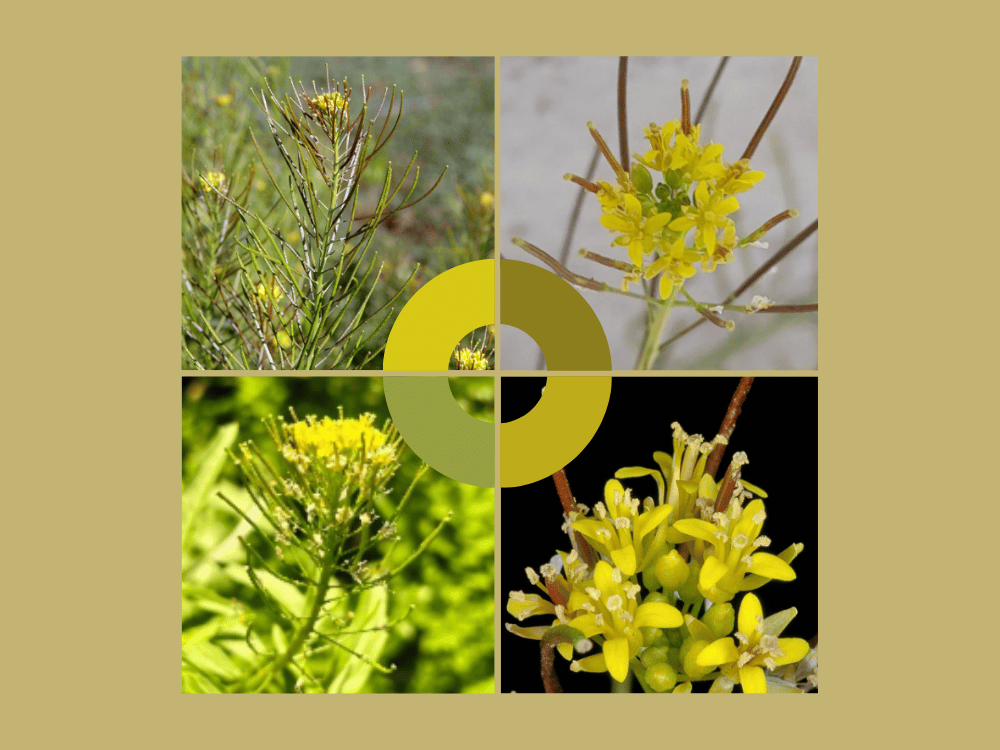
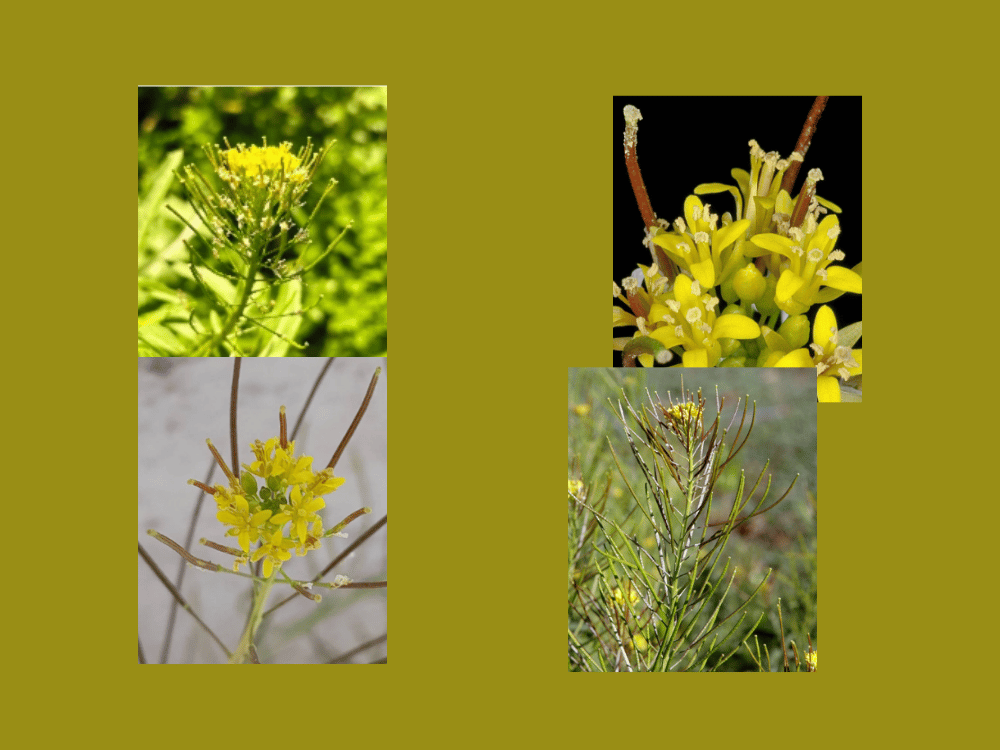
Sisymbrium irio is an annual herb commonly found growing alongside Rabi crops such as wheat and barley. It also propagates naturally through self-seeding. The plant typically reaches a height of two to three feet and resembles a slender mustard plant when viewed from a distance.
Morphological Characteristics
Leaves
The leaves are similar to those of mustard, being simple and green, with slight variation in shape depending on growth stage.
Flowers and Fruits
The flowers and fruits resemble mustard; however, the pods are very thin and elongated. These pods contain numerous tiny seeds that are even smaller than poppy seeds and are yellowish to reddish in color. These seeds are primarily used for medicinal purposes.
Geographical Distribution
This plant is widely distributed in:
- Uttar Pradesh
- Punjab
- Rajasthan
- Peshawar
- Balochistan
- Iran (considered to produce high-quality plants)
Temperament
Warm in the second degree
Actions (Pharmacological Effects)
- Antipyretic (reduces fever)
- Useful in cholera
- Expectorant (helps expel chest mucus)
Medicinal Uses
1. Fever and Eruptive Diseases
Due to its antipyretic properties, it is used in conditions such as:
- Smallpox
- Measles
A decoction is administered to promote the early eruption of rashes. Traditionally, the plant is also sprinkled around the patient’s bed to aid this process.
2. Cholera
- Boiled in rose water to relieve thirst and vomiting
- In bilious cholera, it is taken with fresh green coriander juice
3. Compound Decoction for Measles and Smallpox
When constipation accompanies eruptive diseases, a decoction is prepared using:
- Khaksi (2.92 grams)
- Cow tongue herb (4.86 grams)
- Manqi (9 pieces)
- Figs (5 pieces)
These ingredients are boiled in 2 kg of water until reduced to 1 kg, then strained and mixed with glucose. This preparation:
- Reduces nervousness and anxiety
- Helps rashes appear quickly
4. Respiratory Conditions
Fried Khaksi (2.92 grams 3.89 grams) combined with violet syrup is beneficial for:
- Cough
- Shortness of breath
Khaksi Syrup (Sharbat-e-Khaksi)
Ingredients
- Badyan (Fennel) – 100 g
- Barg Gaozaban (Borage leaves) – 80 g
- Khaksi – 100 g
- Jujube – 100 g
- White sugar – 2 kg
- Tartaric acid – 4 g
- Sodium benzoate – 2 g
Preparation Method
- Soak all herbs in 1.5 liters of water overnight.
- Boil in the morning and strain through cloth.
- Add sugar and tartaric acid (or lemon juice) and cook to form a syrup.
- Dissolve sodium benzoate in a small amount of water and add near the end.
- Strain again and store.
Dosage
- 25 ml syrup mixed in 125 ml water
- Taken 5 to 7 times daily