



Introduction
Myrtus communis, commonly known as Myrtle, is an evergreen medicinal plant used in Unani medicine. Its leaves and fruits are valued for their astringent, tonic, and cooling properties, especially in bleeding disorders, digestive issues, and hair care.
Morphology (Plant Description)
Plant
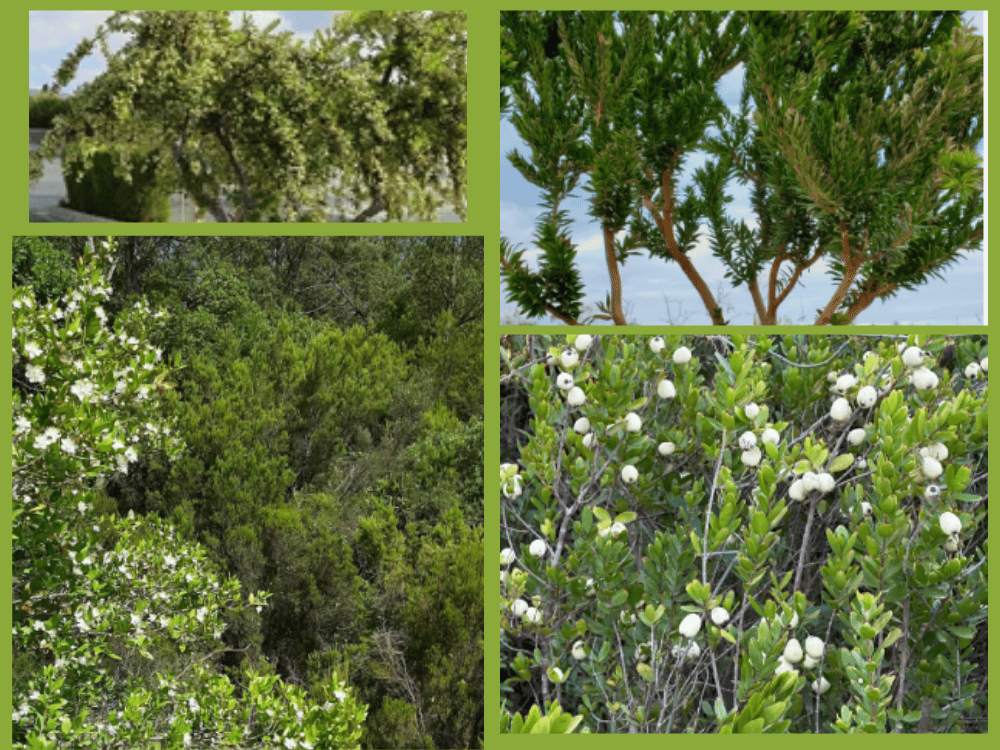
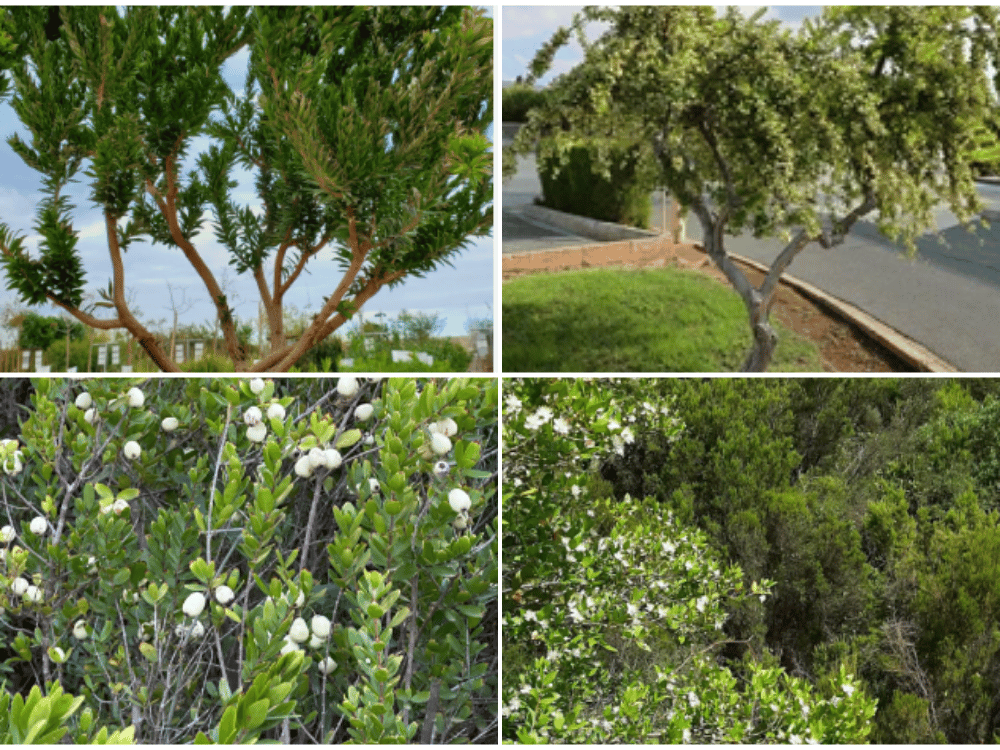
- A large evergreen shrub or small tree
- Branches are fine and somewhat similar to pomegranate branches
Leaves
- Small, narrow, and aromatic
- Used medicinally and externally
Fruits
- Size: Slightly larger than black pepper
- Color:
- Green when unripe
- Black when ripe
- Contains:
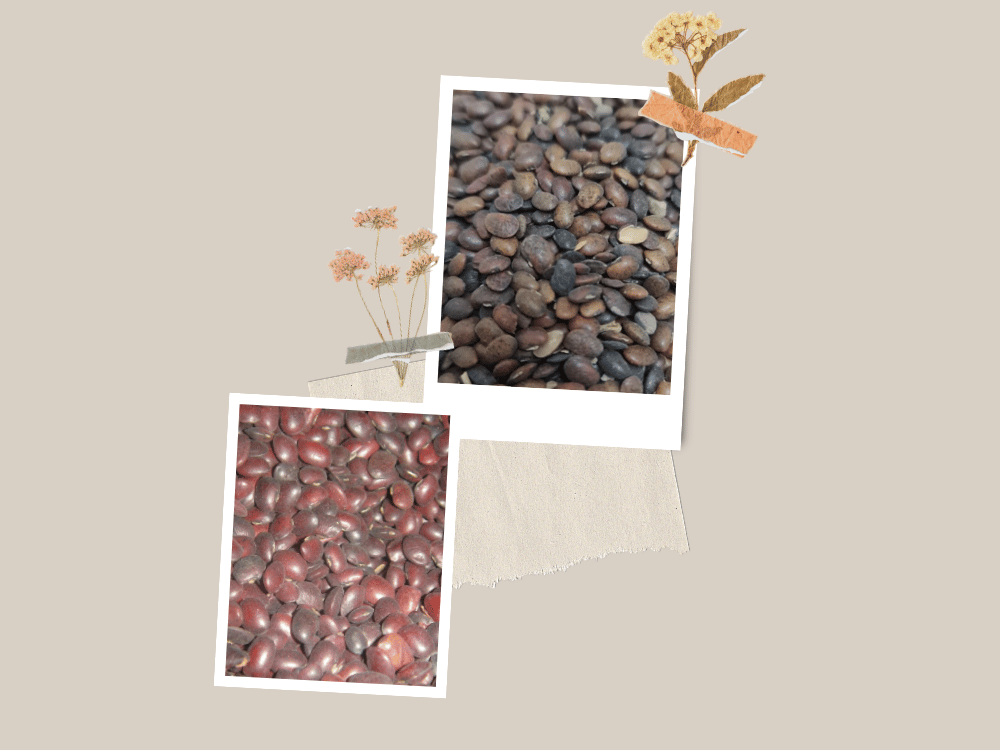
- 7–8 small white seeds
Temperament (Mizaj)
- Cold and Dry (generally considered)
Pharmacological Actions
- Habis-e-Dam (blood astringent – stops bleeding)
- Qabiz (astringent)
- Muqawwi-e-Meda (stomach tonic)
- Muqawwi-e-Qalb (heart tonic)
- Mubarrid (cooling)
- Muqawwi-e-Sha’r (hair tonic – strengthens hair)
Medicinal Uses
1. Bleeding Disorders
- Stops bleeding from:
- Internal organs
- External wounds
- Useful in:
- Excessive bleeding conditions
2. Diarrhea
- Due to strong astringent effect:
- Controls diarrhea
- Strengthens intestinal function
3. Excessive Sweating
- Leaves rubbed on body:
- Reduces excess sweating
4. Swellings & Inflammation
- Used in:
- Hot swellings
- Burning sensations
- Paste of leaves:
- Applied locally to reduce swelling
5. Headache & Burns
- Leaf paste:
- Applied on:
- Headache
- Burned areas
- Provides relief and promotes healing
- Applied on:
6. Heart Weakness
- Acts as a heart tonic
- Strengthens cardiac function
7. Hair Care
- Leaves used in oils:
- Strengthen hair
- Help make hair black and healthy
Special Benefit
- Powerful blood astringent (Habis-e-Dam)
Dosage
- 4.86 grams to 6.80 grams
Formulations (Unani Preparations)
- Used in:
- Herbal oils
- Syrups (e.g., mixed with Sharbat Habb-ul-Aas)