



Introduction
For centuries, blood has been regarded as a symbol of family lineage and inheritance. Many cultures have believed that blood carries not only physical characteristics but also the personality, habits, and moral qualities of parents to their children. These beliefs have influenced social customs, family relationships, and even marriage traditions.
Modern science, however, presents a different understanding of blood and heredity.
Traditional Beliefs About Blood
Throughout history, blood has often been associated with race, caste, social status, and family honor. Many societies have emphasized the importance of maintaining what they consider “pure bloodlines.” As a result, people have sometimes avoided marriages outside their own families, communities, or social groups.
Such beliefs have led to various social issues, including:
- Delayed marriages due to limited suitable matches.
- Marriages with significant age differences.
- Social discrimination based on family background or lineage.
- The misconception that blood determines a person’s character or nobility.
These traditions have existed in many cultures for generations, despite lacking scientific support.
Blood Transfusions and Common Misconceptions
In some communities, people are hesitant to accept blood from someone outside their family, fearing that doing so might change the recipient’s character, personality, or family identity. Some even believe that receiving another person’s blood may affect their inherited traits.
Modern medicine has shown that these fears are unfounded.
Blood transfusions are performed safely every day in hospitals around the world. Before a transfusion, doctors ensure that the donor’s blood is compatible with the recipient’s blood type. Compatibility is based on blood groups and other medical factors—not on family background, race, caste, or personality.
There is no scientific evidence that receiving blood from another person changes an individual’s habits, intelligence, moral character, or family traits.
What Science Says About Blood
Blood has one primary function: to keep the body alive by transporting oxygen, nutrients, hormones, and immune cells while removing waste products. It does not carry memories, personality, intelligence, or moral qualities.
The characteristics passed from parents to their children are determined by genes, which are inherited through DNA—not through blood itself.
Human blood is classified into several major blood groups, including:
- A
- B
- AB
- O
Each blood group may also be either Rh-positive or Rh-negative. Millions of unrelated people share the same blood group. For example, blood group O is the most common worldwide. If blood determined personality or intelligence, everyone with the same blood group would have similar traits, which is clearly not the case.
The Role of Honey
Honey is a nutritious natural food that has been valued in traditional medicine for centuries. It contains antioxidants, vitamins, minerals, and natural sugars that provide energy and may support overall health.
However, there is no scientific evidence that honey changes the composition of blood, transmits inherited traits, or influences a person’s character or family lineage. Honey can be part of a healthy diet, but it should not be regarded as a substance that alters hereditary characteristics.
The Three Main Functions of Blood
Introduction
Blood is one of the most important systems in the human body. It acts as a transportation network, regulator, and protector, ensuring that every part of the body receives the necessary substances required for life. Since the human body is made up of trillions of cells, blood plays a vital role in delivering nutrients, removing waste, maintaining balance, and defending against diseases.
Blood performs three major functions:
- Blood as a Carrier
- Blood as a Regulator
- Blood as a Protector
1. Blood as a Carrier
Blood is essentially the transportation system of the body. Its primary responsibility is to deliver food, oxygen, hormones, and other essential substances to different parts of the body.
Although most body tissues receive blood directly, some structures, such as bones, the eyelids, hair, and the outer surface of the skin, receive nourishment through plasma, which is a component of blood.
Transporting Nutrients
Food is digested in the stomach and intestines, where it is broken down into small components that can dissolve in the blood. The bloodstream then transports these nutrients to different cells.
Some nutrients are immediately used by the body as fuel, while extra nutrients are stored for future needs. The liver and muscles store certain nutrients, while fats and oils are mainly stored beneath the skin. This stored energy can later be released when the body requires it.
Transporting Oxygen
When we eat food, our body obtains energy by burning nutrients as fuel. Many body functions, including breathing, heartbeat, digestion, and gland activity, require energy.
Oxygen is necessary for this process. Blood absorbs oxygen from the lungs and carries it to the cells, where food is converted into energy.
Removing Waste Products
When fuel burns, waste products are produced. Similarly, when food is used by the body’s cells, unwanted substances are created. These waste materials can become harmful if they remain in the body.
Blood collects these waste products and transports them to organs responsible for removing them:
- The kidneys filter waste from the blood and remove it through urine.
- The lungs remove carbon dioxide through breathing.
- The digestive system helps eliminate certain waste materials.
In this way, blood continuously cleans and maintains the body’s internal environment.
Transporting Hormones
The body produces special chemical substances called hormones. These hormones control many important functions, including growth, metabolism, reproduction, and mood.
Although hormones are produced by specific glands in only a few locations, they are needed throughout the body. Blood carries these hormones to the organs where they are required.
2. Blood as a Regulator
The human body requires a stable internal environment to function properly. Even small changes in body conditions can affect organs and may lead to illness.
Blood helps regulate many important processes, including:
- Body temperature
- Acid and alkaline balance
- Internal chemical conditions
Blood as the Body’s Air Conditioner
One of the important regulatory functions of blood is maintaining body temperature.
The average human body temperature remains around 98.6°F (37°C) despite changes in the external environment. Whether the weather is extremely hot or very cold, blood helps maintain a stable internal temperature.
In Hot Weather
When the body becomes overheated:
- Blood vessels near the skin expand.
- More blood flows near the skin surface.
- Sweat glands release water onto the skin.
- Evaporation of sweat removes heat and cools the body.
In Cold Weather
When the temperature drops:
- Blood vessels contract.
- Heat produced inside the body is conserved.
- Less heat escapes from the skin.
Blood is especially effective at regulating temperature because it can absorb and transport large amounts of heat without rapidly changing its own temperature.
Maintaining Acid-Base Balance
Various acidic and alkaline substances are constantly produced inside the body. If these substances are not properly controlled, they can damage cells and interfere with normal body functions.
The kidneys and lungs help regulate acidity, but blood plays the first line of defense. Proteins and mineral salts present in blood help maintain the correct balance and protect the body’s cells.
3. Blood as a Protector
Blood protects the body in two major ways:
- Preventing excessive blood loss.
- Fighting infections and harmful microorganisms.
Blood Clotting
When a person receives a small cut or injury, blood begins to clot at the site of damage. This clot forms a protective layer that prevents further blood loss.
Blood clotting depends on several components, including:
- Proteins
- Calcium
- Platelets (thrombocytes)
Experts have identified several clotting factors in blood that work together to stop bleeding.
A genetic disorder called hemophilia occurs when certain clotting factors are missing or insufficient. In people with hemophilia, even a small injury can cause prolonged bleeding because the blood cannot clot normally.
Hemophilia is an inherited condition that can pass from one generation to another. It is more commonly severe in males, while females are often carriers of the condition.
Protection Against Disease
Blood also contains white blood cells, which act as the body’s defense system. These cells identify and destroy harmful microorganisms such as bacteria and viruses.
When germs enter the body, white blood cells work like an army, fighting infections and helping protect us from disease
.Composition of Blood
Introduction
Blood is one of the most important tissues in the human body. It continuously circulates through blood vessels, carrying oxygen, nutrients, hormones, and waste products to maintain life.
An adult human body contains approximately five to six liters of blood circulating through the blood vessels. The amount of blood varies according to age, body size, and gender. Blood makes up about one-eleventh of the body’s total weight.
The spleen acts as a storage and filtering organ for blood. During certain emergencies, it can release stored blood into circulation to help support the body.
Blood is composed mainly of water and solid components. It contains approximately:
- Water: 76%
- Solid substances: 24%
Although muscles and the brain also contain a large amount of water, they remain solid tissues, while blood exists as a liquid connective tissue.
Blood can be divided into two main parts:
- Blood Cells — approximately 45%
- Plasma — approximately 55%
Blood cells are suspended within plasma and perform various essential functions.
Plasma: The Liquid Part of Blood
Plasma makes up about 55% of total blood volume. The proportion may vary slightly between individuals. It consists mainly of water, proteins, nutrients, salts, hormones, and waste materials.
The approximate composition of plasma is:
- Water: 91–92%
- Proteins: Major part of solid components
- Glucose: About 0.1%
- Lipids (fats): About 0.8%
- Mineral salts: Less than 1%
Interestingly, many of the salts present in plasma are similar to those found in seawater.
Functions of Plasma Proteins
Proteins are among the most important components of plasma. Most plasma proteins are produced in the liver. They perform several essential functions, including:
- Supporting growth and repair of body tissues.
- Helping maintain the body’s fluid balance.
- Assisting in blood clotting.
- Transporting nutrients and other substances throughout the body.
The heart acts as a pump, creating pressure that allows plasma to move from blood vessels toward body tissues. Plasma proteins have a special ability to attract water, which helps pull fluid back into the bloodstream after nutrients have been delivered to cells.
This process maintains proper fluid balance between the blood and body tissues.
Plasma Protein Deficiency and Edema
If the amount of protein in plasma becomes too low, the blood loses its ability to retain water effectively. As a result, fluid may accumulate in body tissues.
This condition is called edema. It can cause swelling, especially in areas such as:
- The face
- Ankles
- Feet
- Other parts of the body
Severe or prolonged edema may cause discomfort and require medical attention.
Nutrients and Minerals in Plasma
Glucose
Glucose is the primary fuel source of the human body. It provides energy needed for movement, organ function, and other life processes.
The body can also use fats as an additional source of energy when needed.
Important Salts in Plasma
Several minerals in plasma play important roles in maintaining body functions:
Bicarbonate
- Helps transport carbon dioxide from body tissues to the lungs.
- Helps maintain the body’s acid-base balance.
Sodium and Potassium
- Support nerve function.
- Help muscles work properly.
- Enable the brain to control different body activities.
Calcium
- Strengthens bones and teeth.
- Plays an important role in blood clotting and muscle function.
Blood Cells
Blood contains three main types of cells:
1. Red Blood Cells (RBCs)
Red blood cells contain hemoglobin, a substance that carries oxygen from the lungs to all parts of the body. They also help transport carbon dioxide back to the lungs for removal.
2. White Blood Cells (WBCs)
White blood cells are part of the body’s defense system. They protect the body by identifying and destroying harmful microorganisms such as bacteria and viruses.
3. Thrombocytes (Platelets)
Thrombocytes, also called platelets, are responsible for blood clotting. They help stop bleeding when blood vessels are damaged by forming clots at the site of injury.
Red Blood Cells: Structure, Functions, and Importance
Introduction
Red blood cells are one of the most important components of blood. Their main function is to transport oxygen from the lungs to every part of the body and carry carbon dioxide back to the lungs for removal.
The strength and energy of the human body depend greatly on the number and efficiency of red blood cells. These tiny cells work continuously to support the body’s organs and tissues.
Number and Variation of Red Blood Cells
A healthy adult human body contains approximately 25 to 30 trillion red blood cells. The number is usually slightly lower in women and children.
The number of red blood cells can change depending on a person’s lifestyle and environment:
- People who perform physical work or exercise regularly usually have more red blood cells than those with inactive lifestyles.
- During sleep, the body requires less oxygen, and some red blood cells are stored temporarily in the spleen.
- After waking and becoming active, more red blood cells enter circulation to meet the body’s increased oxygen requirements.
- People living at high altitudes often have more red blood cells because oxygen pressure is lower, and the body produces additional red blood cells to compensate.
- Strenuous exercise, physical activity, and certain conditions that reduce oxygen availability can also increase red blood cell production.
Appearance and Structure of Red Blood Cells
The red color of blood comes from red blood cells. However, a single red blood cell does not actually appear red when viewed under a microscope. It appears yellowish-green. When billions of these cells are seen together, they create the red color of blood.
Red blood cells have a unique shape similar to a flattened tire or a doughnut without a hole. They do not contain a nucleus, allowing more space for hemoglobin, the substance responsible for carrying oxygen.
These cells are extremely small. If enlarged thousands of times, their special shape becomes clearly visible.
The total surface area and number of red blood cells in the human body are enormous. If arranged in a line, the red blood cells of one person could extend for an extraordinary distance.
Composition of Red Blood Cells
Red blood cells contain:
- Approximately 60% water
- A large amount of hemoglobin, a special protein that carries oxygen
Hemoglobin consists of two main parts:
- Globin — the protein portion
- Heme — the iron-containing portion
Iron in heme gives hemoglobin its ability to bind with oxygen.
The heme structure is similar among many living organisms. However, the globin portion differs between species, which is why blood from one species cannot normally be transfused into another.
For example, human hemoglobin differs from animal hemoglobin, making animal blood unsuitable for human transfusion.
How Red Blood Cells Transport Oxygen
The lungs contain a high concentration of oxygen. When blood passes through the lungs, hemoglobin absorbs oxygen.
The red blood cells then travel throughout the body. In areas where oxygen levels are low, hemoglobin releases oxygen so that cells can use it to produce energy.
During this process:
- Oxygen is delivered to body tissues.
- Carbon dioxide, a waste product produced by cells, is collected.
- Carbon dioxide is transported back to the lungs and removed through breathing.
If the human body is compared to a furnace, red blood cells act like the air supply system that provides oxygen and the chimney system that removes waste gases.
Hemoglobin and Oxygen Capacity
Hemoglobin is essential for survival because it carries oxygen throughout the body.
Men generally have a higher hemoglobin level than women. A healthy adult male usually has a higher concentration of hemoglobin compared with a healthy adult female.
Although the total amount of iron in the blood is small, iron is extremely important because it allows hemoglobin to carry oxygen.
Carbon Monoxide and Hemoglobin
When coal burns in a closed room, carbon monoxide gas can accumulate. This gas is dangerous because it attaches strongly to hemoglobin and prevents it from carrying oxygen.
As a result:
- Oxygen delivery to body tissues decreases.
- Cells become deprived of oxygen.
- Severe poisoning can lead to death.
Certain chemicals, medications, and toxic substances can also interfere with the normal function of hemoglobin.
Destruction and Replacement of Red Blood Cells
Red blood cells have a limited lifespan. On average, they survive for about 120 days (four months).
Every day, billions of old red blood cells are removed from circulation. The spleen, liver, and bone marrow help break down and recycle these old cells.
If the body did not produce new red blood cells, the blood supply would quickly become insufficient. Fortunately, the bone marrow continuously produces new red blood cells at the same rate that old ones are destroyed.
Bone Marrow and Red Blood Cell Production
Red blood cells are produced in the red bone marrow, which is found inside certain bones.
Bone marrow exists in two forms:
- Red marrow: Produces blood cells.
- Yellow marrow: Mainly stores fat.
During emergencies, such as when the body needs more oxygen, yellow marrow can become more active and help increase blood cell production.
People who move to high-altitude areas may experience an increase in red blood cells because their bodies adapt to lower oxygen levels.
Recycling of Hemoglobin
When red blood cells die, the body carefully recycles their components.
- Some parts of hemoglobin are reused to produce new hemoglobin.
- Iron is preserved and stored because it is difficult for the body to obtain.
- Other waste materials are processed and removed through normal body systems.
The body maintains a careful balance between producing, using, and recycling blood components.
How to Support Healthy Red Blood Cells
A healthy diet provides the materials needed to produce red blood cells. However, simply eating more food does not automatically increase blood volume. The body increases red blood cell production mainly when it requires more oxygen, such as during:
- Regular exercise
- Physical work
- Long stays at high altitudes
Important nutrients required for red blood cell production include:
Protein
Protein is essential for making hemoglobin and maintaining healthy blood cells. Good sources include:
- Meat
- Fish
- Eggs
- Milk
- Grains and legumes
Iron
Iron is necessary for producing hemoglobin. Sources include:
- Meat
- Fish
- Eggs
- Spinach and other green vegetables
Milk and butter contain only small amounts of iron.
Vitamins and Minerals
Several nutrients help the body produce healthy red blood cells:
- Vitamin B12: Essential for red blood cell development.
- Vitamin B6 and folic acid: Support blood formation.
- Vitamin C: Helps the body absorb iron.
- Copper: Required in small amounts for blood production.
- Thyroxine hormone: Helps regulate metabolism and blood formation.
White Blood Cells: The Defense System of the Body
Introduction
White blood cells are one of the most important components of the immune system. They act as the body’s natural defense army, protecting us from harmful microorganisms such as bacteria, viruses, and other foreign substances.
These cells identify, attack, and destroy germs that enter the body and help repair damaged tissues.
Number and Production of White Blood Cells
A healthy human body contains billions of white blood cells circulating in the blood. Their number increases when the body faces an infection or a strong immune response.
The number of white blood cells may also be higher in:
- Children
- Pregnant women
- People fighting infections
White blood cells are produced mainly in the bone marrow and in certain immune organs of the body.
There are five main types of white blood cells. They are larger than red blood cells, and their numbers and proportions provide valuable information about a person’s health.
Doctors often examine the total white blood cell count and the percentage of each type during blood tests to help diagnose infections and other diseases.
How White Blood Cells Fight Infection
Imagine that a person cuts a finger and bacteria enter the wound. The injured area becomes a battlefield between harmful germs and the body’s defense system.
During infection:
- Blood vessels near the affected area become wider.
- Blood flow changes to allow immune cells to reach the site.
- White blood cells move toward the infected area to destroy the invading microorganisms.
Among these cells, neutrophils are usually the first responders.
Neutrophils: The First Line of Defense
Neutrophils make up the largest group of white blood cells. They quickly move toward areas where bacteria have entered the body.
Because of their ability to attach to blood vessel walls, neutrophils can leave the bloodstream and enter infected tissues.
Once they reach the site of infection, they:
- Detect harmful germs.
- Surround and capture them.
- Absorb them into the cell.
- Destroy them using special digestive substances.
Sometimes, a single immune cell is not enough to destroy a powerful infection. Many neutrophils may be involved in fighting the same germ.
During intense battles, large numbers of white blood cells may die while protecting the body. The thick material called pus that forms in some wounds contains millions of dead white blood cells, along with damaged tissue and bacteria.
Monocytes: The Clean-Up Team
Monocytes are another type of white blood cell. After an infection has been controlled, they help clean the affected area.
They remove:
- Dead white blood cells
- Destroyed germs
- Damaged tissue remains
They help prepare the area for healing and recovery.
Eosinophils: Defense Against Foreign Proteins and Parasites
Eosinophils help the body respond to foreign substances, including certain parasites and proteins that enter the body from outside sources.
They also play an important role in allergic reactions.
In some cases, such as organ transplantation, eosinophils may become involved if the body’s immune system recognizes the transplanted organ as foreign and attempts to attack it
Basophils: Supporting Blood Flow and Immunity
Basophils are a small group of white blood cells that release important chemical substances.
They help regulate immune reactions and produce substances involved in controlling blood clotting and inflammation.
These functions help maintain normal circulation and support the body’s response to injury.
Lymphocytes: The Specialized Defenders
Lymphocytes are highly specialized white blood cells that play a central role in immunity.
They:
- Produce antibodies to fight foreign substances.
- Recognize harmful microorganisms.
- Help control immune responses.
- Support healing and tissue repair.
Lymphocytes are essential for long-term protection because they allow the body to remember certain infections and respond more effectively in the future.
Thrombocytes (Platelets): The Blood’s Repair System
Introduction
Thrombocytes, also known as platelets, are the smallest cellular components of blood. They play a vital role in protecting the body by preventing excessive blood loss and helping repair damaged blood vessels.
Although they are much smaller than red blood cells, their function is extremely important for survival.
Structure and Characteristics of Thrombocytes
Thrombocytes are tiny cell fragments that vary in shape. Some appear round, while others may be slightly oval. Many have a raised or bulging center.
They are much smaller than red blood cells and are produced continuously by the bone marrow.
A healthy human body contains a large number of platelets circulating in the blood. Their lifespan is short—approximately 7 to 10 days—after which they are removed and replaced by newly produced platelets.
The bone marrow constantly produces new thrombocytes at a rate that matches their natural destruction.
The Role of Thrombocytes in Blood Clotting
Blood vessels are constantly exposed to minor injuries and damage. If these injuries were not repaired quickly, blood would continue to leak from the vessels, causing dangerous blood loss.
Thrombocytes act as the body’s emergency repair system.
When a blood vessel is damaged:
- Thrombocytes immediately move toward the injured area.
- They attach themselves to the damaged vessel wall.
- They gather together and form a temporary seal.
- They release chemical substances that activate the clotting process.
This rapid response prevents excessive bleeding and allows the damaged vessel to begin healing.
How Platelets Form a Protective Seal
Thrombocytes have the ability to change their shape when activated. They become larger, develop sticky surfaces, and attach firmly to one another.
They release substances that act like a natural biological adhesive, helping create a strong clot at the site of injury.
This process is essential because even a small cut could become dangerous if the body’s clotting system did not work properly.
Thrombocytes and Blood Clotting Factors
When thrombocytes break down, they release important substances that support blood clotting.
These substances help activate clotting factors, including important components involved in forming a stable blood clot.
Through this process, thrombocytes protect the body from unnecessary blood loss and maintain the integrity of the circulatory system.
Blood Groups, Inherited Conditions, and Traditional Remedies
Introduction
Blood is one of the most important components of the human body. It carries oxygen, nutrients, hormones, and immune cells throughout the body. Because blood plays such an essential role, understanding blood groups and blood-related diseases is important for maintaining health.
Blood Groups
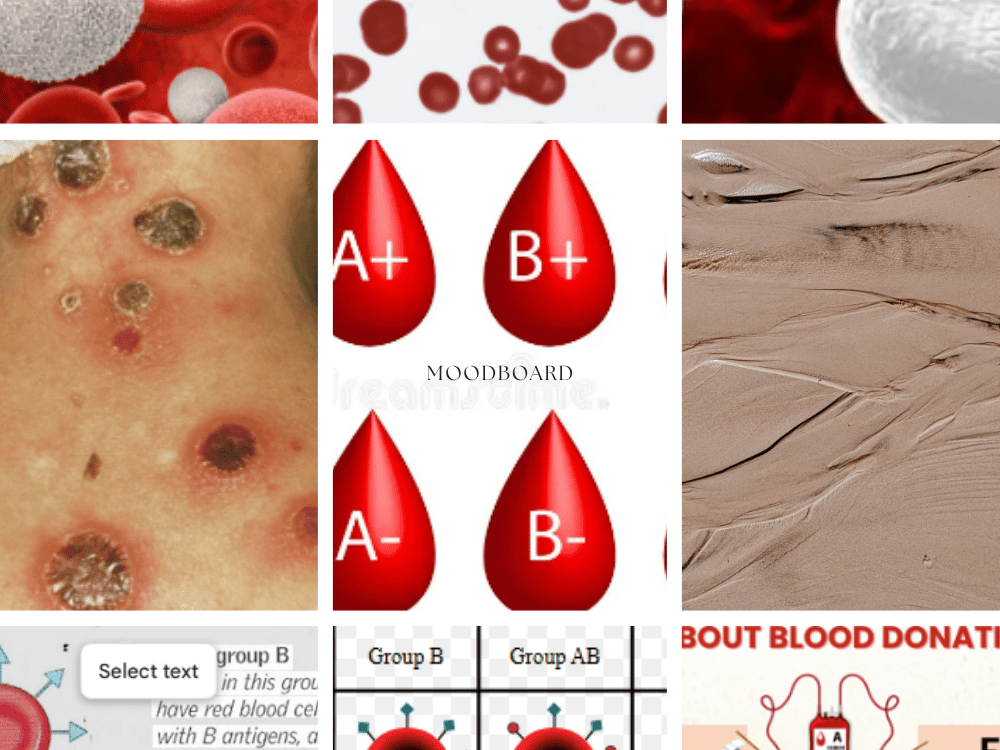
Humans are classified into different blood groups based on the characteristics of their blood. The four major blood groups are:
- Group A
- Group B
- Group AB
- Group O
Before a blood transfusion, doctors carefully match the donor’s and patient’s blood groups. If incompatible blood is given, the immune system may react against the donated blood, causing dangerous complications.
Blood is also classified according to the Rh factor, which is either:
- Rh-positive (Rh+)
- Rh-negative (Rh−)
There are also several other blood group systems and subgroups used in medical practice.
Importance of the Rh Factor
The Rh factor is especially important during pregnancy. If an Rh-negative woman carries an Rh-positive baby, complications may occur because the mother’s immune system can develop antibodies against Rh-positive blood cells.
Modern medicine can prevent these complications through proper testing and treatment. Couples can easily determine their blood groups and Rh status through a simple blood test.
Medical care, including Rh immune globulin injections, has made it possible for Rh-negative mothers to have healthy pregnancies.
Blood-Related Diseases and Infections
Every component of blood has a specific function. When problems occur in blood cells or immune functions, serious health conditions may develop.
Some blood-related diseases can also involve infectious organisms that may spread from one person to another. Examples include infections such as:
- Syphilis
- Certain bacterial infections
- Other contagious diseases
Historically, many traditional medical systems used the term “blood purification” for treatments aimed at improving skin diseases and infections. Modern medicine, however, treats these conditions according to their specific causes, often using targeted medicines such as antibiotics or other therapies.
Traditional Use of Honey in Blood-Related Conditions
Honey has been used in traditional medicine for centuries. It has natural antibacterial and wound-supporting properties, and medical-grade honey is sometimes used in modern wound care under professional supervision.
Traditional practitioners have often included honey in remedies for various conditions, believing that it helps cleanse the body and support healing.
However, honey alone is not a proven cure for serious blood infections or diseases and should not replace medical treatment.
Syphilis: Description and Medical Understanding
What Is Syphilis?
Syphilis is a serious infectious disease caused by the bacterium Treponema pallidum. It is mainly transmitted through sexual contact but can also pass from an infected mother to her baby during pregnancy.
Without proper treatment, syphilis can progress through different stages and may affect many organs of the body.
Symptoms of Syphilis
Symptoms may vary depending on the stage of infection. They can include:
- A painless sore (chancre) at the site of infection.
- Skin rashes.
- Swollen lymph nodes.
- Fever and fatigue.
- In later stages, possible damage to the nervous system, heart, or other organs.
Syphilis requires proper medical diagnosis and treatment. Modern antibiotics, especially penicillin, are highly effective when given appropriately.
Traditional Story of Honey Application for Wounds
Traditional medical writings describe cases where honey was applied to difficult wounds and was believed to support healing. These accounts describe improvements in wound cleanliness and comfort after honey application.
Modern research has shown that specially prepared medical honey can help with some types of wounds because of its antibacterial and moisture-balancing properties. However, untreated infections such as syphilis require appropriate medical therapy.
Traditional Remedy for Typhus (Historical Recipe)
Traditional texts describe various herbal preparations for illnesses referred to historically as “typhus” or similar conditions. The following recipe is preserved as a historical traditional preparation.
Ingredients
- 1 tola of purified Rasakpur
- Half a seer of sheep’s milk
- 10 seers of purified water
- One container of pure honey
Preparation
- Dissolve honey in clean water.
- Place the mixture in a covered container.
- Break the Rasakpur into small pieces and tie it in a clean cloth pouch.
- Suspend the pouch inside the container so that it remains completely immersed.
- Heat the container gently, allowing the water to reduce gradually.
- Once the process is complete, remove the material from the pouch.
- Wash it with clean water and grind it with sheep’s milk until the milk is fully absorbed.
- Prepare small tablets and store them in a clean container.
Traditional Method of Use
Traditional instructions recommend taking one tablet with raisins and following dietary restrictions during use.
The original recipe advises avoiding:
- Milk
- Yogurt
- Sour lassi
- Rice
and recommends foods such as:
- Wheat bread with desi ghee
- Gram soup
- Chicken or goat meat soup with limited salt
Traditional Honey Remedies for Fever, Skin Diseases, and Blood Disorders
Introduction
Honey has been used in traditional medicine for centuries and has been included in many herbal preparations for various illnesses. Traditional practitioners have considered honey a nourishing substance that supports general health and healing.
Modern medicine has shown that honey contains natural sugars, antioxidants, and compounds with antibacterial properties. However, serious diseases such as typhoid, leprosy, tuberculosis, and blood disorders require proper medical diagnosis and treatment.
The following recipes are preserved as traditional remedies and historical practices.
Traditional Recipe for Typhoid Fever
Ingredients
- 1 lemon peel
- 7 mashas of Shahtra
- 7 mashas of Sarpukh
- 7 mashas of Mandi
- 7 jujube seeds
- 7 black Halilas
- 7 mashas of sandalwood
- 4 tolas pure honey
Preparation
- Soak all ingredients in hot water overnight.
- In the morning, boil the mixture and strain the liquid.
- Before straining, mix the ingredients thoroughly by hand.
- Store the prepared liquid in a clean bottle.
Traditional Method of Use
Take this preparation with 1 tola of pure honey in the morning and one dose in the afternoon.
Traditional instructions recommend avoiding very hot foods during the treatment period.
Note: Typhoid fever is a bacterial infection that requires proper medical treatment, usually including antibiotics prescribed by a healthcare professional.
Leprosy: Description and Traditional Understanding
What Is Leprosy?
Leprosy, also known as Hansen’s disease, is a chronic infectious disease caused by the bacterium Mycobacterium leprae.
Historically, many cultures feared this disease because of its visible effects on the skin and nerves. Modern medicine has shown that leprosy is treatable and can be cured with specific antibiotic combinations.
Traditional Description of Symptoms
Traditional writings describe symptoms such as:
- Skin changes and discoloration.
- Swelling of fingers and earlobes.
- Loss of sensation in affected areas.
- Hair loss.
- Changes in the eyes and voice.
- Nasal symptoms.
Today, these symptoms are understood to occur because the bacteria affect the skin, nerves, and other tissues.
Traditional Honey and Goat Milk Remedy for Leprosy
Ingredients
- 1 cup goat’s milk
- ½ cup pure honey
Preparation and Use
- Mix honey thoroughly into goat’s milk.
- Give the mixture to the patient according to traditional instructions.
- Fresh milk was traditionally recommended.
- The amount of milk was gradually increased according to tolerance.
Traditional practitioners believed this preparation helped strengthen the body and improve overall health.
Medical Note: Leprosy requires antibiotic treatment. Honey and milk cannot replace medical therapy.
Another Traditional Recipe for Leprosy
Ingredients
- 1½ cups dried figs
- 1½ cups pure honey
- 4 cups Taba Sher
- 15 cups Harada Warqiya
Preparation
- Grind the herbal ingredients thoroughly.
- Mix all ingredients together in a clean container.
- Seal the container and store it according to traditional preparation methods.
- After preparation, transfer the medicine into a clean glass jar.
Traditional Instructions
The original method describes gradually increasing the amount taken daily, up to a maximum of five pieces.
Traditional dietary advice included eating simple foods such as wheat bread and chickpeas.
Khnazair (Historical Description)
Description
Khnazair is a traditional term used for swelling of the glands in the throat and neck. Historically, it was associated with tuberculosis-like conditions.
Symptoms described in traditional texts include:
- Swollen and painful throat glands.
- Difficulty eating or speaking.
- Cough.
- Fever, especially in the evening.
- Night coughing attacks.
Modern medicine recognizes that swollen lymph nodes and tuberculosis-like symptoms can have several causes and require proper diagnosis.
Traditional Remedy for Chancre
Ingredients
- Mustard seeds
- Jadwar — 1 masha
- Ersa — 1 masha
- Roasted Qarn-ul-Ail — 1 masha
- Saffron — 1 tola
- Pure honey — 20 tolas
Preparation
- Mix mustard seeds and honey in a clay container.
- Seal the container and keep it in sunlight for 20 days.
- Grind Jadwar, Ersa, and Qarn-ul-Ail together.
- Mix with saffron to prepare an ointment.
Traditional Use
The traditional method recommends taking the honey preparation with water and applying the ointment externally.
Medical Note: A chancre can be a sign of syphilis or another infection and requires medical evaluation.
Traditional Medicine for Blood Disorders
Ingredients
- One bottle of Jal Boti extract
- 1½ cups pure honey
Preparation
- Wash fresh Jal Boti leaves thoroughly.
- Grind the leaves and extract their juice.
- Heat the extract gently in an earthen pot.
- Remove impurities and mix with honey.
- Cook until the quantity reduces to about one-third.
- Cool and store in a clean container.
Traditional Use
Take approximately 2½ tolas in the morning.
Simple Traditional Remedies for “Bad Blood”
Banana and Honey Recipe
Ingredients
- 1 banana
- 2 large spoons of pure honey
Method
Mash the banana and mix it with honey. Consume at night.
Traditional practitioners believed this preparation improved complexion and general health.
Milk and Honey Recipe
Ingredients
- 1 glass of milk
- 2 large spoons of pure honey
Method
Warm the milk, mix in honey, and drink before sleeping.
Honey has long been considered a nourishing food because it contains natural sugars and small amounts of minerals and antioxidants.Introduction
For centuries, blood has been regarded as a symbol of family lineage and inheritance. Many cultures have believed that blood carries not only physical characteristics but also the personality, habits, and moral qualities of parents to their children. These beliefs have influenced social customs, family relationships, and even marriage traditions.
Modern science, however, presents a different understanding of blood and heredity.
Traditional Beliefs About Blood
Throughout history, blood has often been associated with race, caste, social status, and family honor. Many societies have emphasized the importance of maintaining what they consider “pure bloodlines.” As a result, people have sometimes avoided marriages outside their own families, communities, or social groups.
Such beliefs have led to various social issues, including:
- Delayed marriages due to limited suitable matches.
- Marriages with significant age differences.
- Social discrimination based on family background or lineage.
- The misconception that blood determines a person’s character or nobility.
These traditions have existed in many cultures for generations, despite lacking scientific support.
Blood Transfusions and Common Misconceptions
In some communities, people are hesitant to accept blood from someone outside their family, fearing that doing so might change the recipient’s character, personality, or family identity. Some even believe that receiving another person’s blood may affect their inherited traits.
Modern medicine has shown that these fears are unfounded.
Blood transfusions are performed safely every day in hospitals around the world. Before a transfusion, doctors ensure that the donor’s blood is compatible with the recipient’s blood type. Compatibility is based on blood groups and other medical factors—not on family background, race, caste, or personality.
There is no scientific evidence that receiving blood from another person changes an individual’s habits, intelligence, moral character, or family traits.
What Science Says About Blood
Blood has one primary function: to keep the body alive by transporting oxygen, nutrients, hormones, and immune cells while removing waste products. It does not carry memories, personality, intelligence, or moral qualities.
The characteristics passed from parents to their children are determined by genes, which are inherited through DNA—not through blood itself.
Human blood is classified into several major blood groups, including:
- A
- B
- AB
- O
Each blood group may also be either Rh-positive or Rh-negative. Millions of unrelated people share the same blood group. For example, blood group O is the most common worldwide. If blood determined personality or intelligence, everyone with the same blood group would have similar traits, which is clearly not the case.
The Role of Honey
Honey is a nutritious natural food that has been valued in traditional medicine for centuries. It contains antioxidants, vitamins, minerals, and natural sugars that provide energy and may support overall health.
However, there is no scientific evidence that honey changes the composition of blood, transmits inherited traits, or influences a person’s character or family lineage. Honey can be part of a healthy diet, but it should not be regarded as a substance that alters hereditary characteristics.
The Three Main Functions of Blood
Introduction
Blood is one of the most important systems in the human body. It acts as a transportation network, regulator, and protector, ensuring that every part of the body receives the necessary substances required for life. Since the human body is made up of trillions of cells, blood plays a vital role in delivering nutrients, removing waste, maintaining balance, and defending against diseases.
Blood performs three major functions:
- Blood as a Carrier
- Blood as a Regulator
- Blood as a Protector
1. Blood as a Carrier
Blood is essentially the transportation system of the body. Its primary responsibility is to deliver food, oxygen, hormones, and other essential substances to different parts of the body.
Although most body tissues receive blood directly, some structures, such as bones, the eyelids, hair, and the outer surface of the skin, receive nourishment through plasma, which is a component of blood.
Transporting Nutrients
Food is digested in the stomach and intestines, where it is broken down into small components that can dissolve in the blood. The bloodstream then transports these nutrients to different cells.
Some nutrients are immediately used by the body as fuel, while extra nutrients are stored for future needs. The liver and muscles store certain nutrients, while fats and oils are mainly stored beneath the skin. This stored energy can later be released when the body requires it.
Transporting Oxygen
When we eat food, our body obtains energy by burning nutrients as fuel. Many body functions, including breathing, heartbeat, digestion, and gland activity, require energy.
Oxygen is necessary for this process. Blood absorbs oxygen from the lungs and carries it to the cells, where food is converted into energy.
Removing Waste Products
When fuel burns, waste products are produced. Similarly, when food is used by the body’s cells, unwanted substances are created. These waste materials can become harmful if they remain in the body.
Blood collects these waste products and transports them to organs responsible for removing them:
- The kidneys filter waste from the blood and remove it through urine.
- The lungs remove carbon dioxide through breathing.
- The digestive system helps eliminate certain waste materials.
In this way, blood continuously cleans and maintains the body’s internal environment.
Transporting Hormones
The body produces special chemical substances called hormones. These hormones control many important functions, including growth, metabolism, reproduction, and mood.
Although hormones are produced by specific glands in only a few locations, they are needed throughout the body. Blood carries these hormones to the organs where they are required.
2. Blood as a Regulator
The human body requires a stable internal environment to function properly. Even small changes in body conditions can affect organs and may lead to illness.
Blood helps regulate many important processes, including:
- Body temperature
- Acid and alkaline balance
- Internal chemical conditions
Blood as the Body’s Air Conditioner
One of the important regulatory functions of blood is maintaining body temperature.
The average human body temperature remains around 98.6°F (37°C) despite changes in the external environment. Whether the weather is extremely hot or very cold, blood helps maintain a stable internal temperature.
In Hot Weather
When the body becomes overheated:
- Blood vessels near the skin expand.
- More blood flows near the skin surface.
- Sweat glands release water onto the skin.
- Evaporation of sweat removes heat and cools the body.
In Cold Weather
When the temperature drops:
- Blood vessels contract.
- Heat produced inside the body is conserved.
- Less heat escapes from the skin.
Blood is especially effective at regulating temperature because it can absorb and transport large amounts of heat without rapidly changing its own temperature.
Maintaining Acid-Base Balance
Various acidic and alkaline substances are constantly produced inside the body. If these substances are not properly controlled, they can damage cells and interfere with normal body functions.
The kidneys and lungs help regulate acidity, but blood plays the first line of defense. Proteins and mineral salts present in blood help maintain the correct balance and protect the body’s cells.
3. Blood as a Protector
Blood protects the body in two major ways:
- Preventing excessive blood loss.
- Fighting infections and harmful microorganisms.
Blood Clotting
When a person receives a small cut or injury, blood begins to clot at the site of damage. This clot forms a protective layer that prevents further blood loss.
Blood clotting depends on several components, including:
- Proteins
- Calcium
- Platelets (thrombocytes)
Experts have identified several clotting factors in blood that work together to stop bleeding.
A genetic disorder called hemophilia occurs when certain clotting factors are missing or insufficient. In people with hemophilia, even a small injury can cause prolonged bleeding because the blood cannot clot normally.
Hemophilia is an inherited condition that can pass from one generation to another. It is more commonly severe in males, while females are often carriers of the condition.
Protection Against Disease
Blood also contains white blood cells, which act as the body’s defense system. These cells identify and destroy harmful microorganisms such as bacteria and viruses.
When germs enter the body, white blood cells work like an army, fighting infections and helping protect us from disease
.Composition of Blood
Introduction
Blood is one of the most important tissues in the human body. It continuously circulates through blood vessels, carrying oxygen, nutrients, hormones, and waste products to maintain life.
An adult human body contains approximately five to six liters of blood circulating through the blood vessels. The amount of blood varies according to age, body size, and gender. Blood makes up about one-eleventh of the body’s total weight.
The spleen acts as a storage and filtering organ for blood. During certain emergencies, it can release stored blood into circulation to help support the body.
Blood is composed mainly of water and solid components. It contains approximately:
- Water: 76%
- Solid substances: 24%
Although muscles and the brain also contain a large amount of water, they remain solid tissues, while blood exists as a liquid connective tissue.
Blood can be divided into two main parts:
- Blood Cells — approximately 45%
- Plasma — approximately 55%
Blood cells are suspended within plasma and perform various essential functions.
Plasma: The Liquid Part of Blood
Plasma makes up about 55% of total blood volume. The proportion may vary slightly between individuals. It consists mainly of water, proteins, nutrients, salts, hormones, and waste materials.
The approximate composition of plasma is:
- Water: 91–92%
- Proteins: Major part of solid components
- Glucose: About 0.1%
- Lipids (fats): About 0.8%
- Mineral salts: Less than 1%
Interestingly, many of the salts present in plasma are similar to those found in seawater.
Functions of Plasma Proteins
Proteins are among the most important components of plasma. Most plasma proteins are produced in the liver. They perform several essential functions, including:
- Supporting growth and repair of body tissues.
- Helping maintain the body’s fluid balance.
- Assisting in blood clotting.
- Transporting nutrients and other substances throughout the body.
The heart acts as a pump, creating pressure that allows plasma to move from blood vessels toward body tissues. Plasma proteins have a special ability to attract water, which helps pull fluid back into the bloodstream after nutrients have been delivered to cells.
This process maintains proper fluid balance between the blood and body tissues.
Plasma Protein Deficiency and Edema
If the amount of protein in plasma becomes too low, the blood loses its ability to retain water effectively. As a result, fluid may accumulate in body tissues.
This condition is called edema. It can cause swelling, especially in areas such as:
- The face
- Ankles
- Feet
- Other parts of the body
Severe or prolonged edema may cause discomfort and require medical attention.
Nutrients and Minerals in Plasma
Glucose
Glucose is the primary fuel source of the human body. It provides energy needed for movement, organ function, and other life processes.
The body can also use fats as an additional source of energy when needed.
Important Salts in Plasma
Several minerals in plasma play important roles in maintaining body functions:
Bicarbonate
- Helps transport carbon dioxide from body tissues to the lungs.
- Helps maintain the body’s acid-base balance.
Sodium and Potassium
- Support nerve function.
- Help muscles work properly.
- Enable the brain to control different body activities.
Calcium
- Strengthens bones and teeth.
- Plays an important role in blood clotting and muscle function.
Blood Cells
Blood contains three main types of cells:
1. Red Blood Cells (RBCs)
Red blood cells contain hemoglobin, a substance that carries oxygen from the lungs to all parts of the body. They also help transport carbon dioxide back to the lungs for removal.
2. White Blood Cells (WBCs)
White blood cells are part of the body’s defense system. They protect the body by identifying and destroying harmful microorganisms such as bacteria and viruses.
3. Thrombocytes (Platelets)
Thrombocytes, also called platelets, are responsible for blood clotting. They help stop bleeding when blood vessels are damaged by forming clots at the site of injury.
Red Blood Cells: Structure, Functions, and Importance
Introduction
Red blood cells are one of the most important components of blood. Their main function is to transport oxygen from the lungs to every part of the body and carry carbon dioxide back to the lungs for removal.
The strength and energy of the human body depend greatly on the number and efficiency of red blood cells. These tiny cells work continuously to support the body’s organs and tissues.
Number and Variation of Red Blood Cells
A healthy adult human body contains approximately 25 to 30 trillion red blood cells. The number is usually slightly lower in women and children.
The number of red blood cells can change depending on a person’s lifestyle and environment:
- People who perform physical work or exercise regularly usually have more red blood cells than those with inactive lifestyles.
- During sleep, the body requires less oxygen, and some red blood cells are stored temporarily in the spleen.
- After waking and becoming active, more red blood cells enter circulation to meet the body’s increased oxygen requirements.
- People living at high altitudes often have more red blood cells because oxygen pressure is lower, and the body produces additional red blood cells to compensate.
- Strenuous exercise, physical activity, and certain conditions that reduce oxygen availability can also increase red blood cell production.
Appearance and Structure of Red Blood Cells
The red color of blood comes from red blood cells. However, a single red blood cell does not actually appear red when viewed under a microscope. It appears yellowish-green. When billions of these cells are seen together, they create the red color of blood.
Red blood cells have a unique shape similar to a flattened tire or a doughnut without a hole. They do not contain a nucleus, allowing more space for hemoglobin, the substance responsible for carrying oxygen.
These cells are extremely small. If enlarged thousands of times, their special shape becomes clearly visible.
The total surface area and number of red blood cells in the human body are enormous. If arranged in a line, the red blood cells of one person could extend for an extraordinary distance.
Composition of Red Blood Cells
Red blood cells contain:
- Approximately 60% water
- A large amount of hemoglobin, a special protein that carries oxygen
Hemoglobin consists of two main parts:
- Globin — the protein portion
- Heme — the iron-containing portion
Iron in heme gives hemoglobin its ability to bind with oxygen.
The heme structure is similar among many living organisms. However, the globin portion differs between species, which is why blood from one species cannot normally be transfused into another.
For example, human hemoglobin differs from animal hemoglobin, making animal blood unsuitable for human transfusion.
How Red Blood Cells Transport Oxygen
The lungs contain a high concentration of oxygen. When blood passes through the lungs, hemoglobin absorbs oxygen.
The red blood cells then travel throughout the body. In areas where oxygen levels are low, hemoglobin releases oxygen so that cells can use it to produce energy.
During this process:
- Oxygen is delivered to body tissues.
- Carbon dioxide, a waste product produced by cells, is collected.
- Carbon dioxide is transported back to the lungs and removed through breathing.
If the human body is compared to a furnace, red blood cells act like the air supply system that provides oxygen and the chimney system that removes waste gases.
Hemoglobin and Oxygen Capacity
Hemoglobin is essential for survival because it carries oxygen throughout the body.
Men generally have a higher hemoglobin level than women. A healthy adult male usually has a higher concentration of hemoglobin compared with a healthy adult female.
Although the total amount of iron in the blood is small, iron is extremely important because it allows hemoglobin to carry oxygen.
Carbon Monoxide and Hemoglobin
When coal burns in a closed room, carbon monoxide gas can accumulate. This gas is dangerous because it attaches strongly to hemoglobin and prevents it from carrying oxygen.
As a result:
- Oxygen delivery to body tissues decreases.
- Cells become deprived of oxygen.
- Severe poisoning can lead to death.
Certain chemicals, medications, and toxic substances can also interfere with the normal function of hemoglobin.
Destruction and Replacement of Red Blood Cells
Red blood cells have a limited lifespan. On average, they survive for about 120 days (four months).
Every day, billions of old red blood cells are removed from circulation. The spleen, liver, and bone marrow help break down and recycle these old cells.
If the body did not produce new red blood cells, the blood supply would quickly become insufficient. Fortunately, the bone marrow continuously produces new red blood cells at the same rate that old ones are destroyed.
Bone Marrow and Red Blood Cell Production
Red blood cells are produced in the red bone marrow, which is found inside certain bones.
Bone marrow exists in two forms:
- Red marrow: Produces blood cells.
- Yellow marrow: Mainly stores fat.
During emergencies, such as when the body needs more oxygen, yellow marrow can become more active and help increase blood cell production.
People who move to high-altitude areas may experience an increase in red blood cells because their bodies adapt to lower oxygen levels.
Recycling of Hemoglobin
When red blood cells die, the body carefully recycles their components.
- Some parts of hemoglobin are reused to produce new hemoglobin.
- Iron is preserved and stored because it is difficult for the body to obtain.
- Other waste materials are processed and removed through normal body systems.
The body maintains a careful balance between producing, using, and recycling blood components.
How to Support Healthy Red Blood Cells
A healthy diet provides the materials needed to produce red blood cells. However, simply eating more food does not automatically increase blood volume. The body increases red blood cell production mainly when it requires more oxygen, such as during:
- Regular exercise
- Physical work
- Long stays at high altitudes
Important nutrients required for red blood cell production include:
Protein
Protein is essential for making hemoglobin and maintaining healthy blood cells. Good sources include:
- Meat
- Fish
- Eggs
- Milk
- Grains and legumes
Iron
Iron is necessary for producing hemoglobin. Sources include:
- Meat
- Fish
- Eggs
- Spinach and other green vegetables
Milk and butter contain only small amounts of iron.
Vitamins and Minerals
Several nutrients help the body produce healthy red blood cells:
- Vitamin B12: Essential for red blood cell development.
- Vitamin B6 and folic acid: Support blood formation.
- Vitamin C: Helps the body absorb iron.
- Copper: Required in small amounts for blood production.
- Thyroxine hormone: Helps regulate metabolism and blood formation.
White Blood Cells: The Defense System of the Body
Introduction
White blood cells are one of the most important components of the immune system. They act as the body’s natural defense army, protecting us from harmful microorganisms such as bacteria, viruses, and other foreign substances.
These cells identify, attack, and destroy germs that enter the body and help repair damaged tissues.
Number and Production of White Blood Cells
A healthy human body contains billions of white blood cells circulating in the blood. Their number increases when the body faces an infection or a strong immune response.
The number of white blood cells may also be higher in:
- Children
- Pregnant women
- People fighting infections
White blood cells are produced mainly in the bone marrow and in certain immune organs of the body.
There are five main types of white blood cells. They are larger than red blood cells, and their numbers and proportions provide valuable information about a person’s health.
Doctors often examine the total white blood cell count and the percentage of each type during blood tests to help diagnose infections and other diseases.
How White Blood Cells Fight Infection
Imagine that a person cuts a finger and bacteria enter the wound. The injured area becomes a battlefield between harmful germs and the body’s defense system.
During infection:
- Blood vessels near the affected area become wider.
- Blood flow changes to allow immune cells to reach the site.
- White blood cells move toward the infected area to destroy the invading microorganisms.
Among these cells, neutrophils are usually the first responders.
Neutrophils: The First Line of Defense
Neutrophils make up the largest group of white blood cells. They quickly move toward areas where bacteria have entered the body.
Because of their ability to attach to blood vessel walls, neutrophils can leave the bloodstream and enter infected tissues.
Once they reach the site of infection, they:
- Detect harmful germs.
- Surround and capture them.
- Absorb them into the cell.
- Destroy them using special digestive substances.
Sometimes, a single immune cell is not enough to destroy a powerful infection. Many neutrophils may be involved in fighting the same germ.
During intense battles, large numbers of white blood cells may die while protecting the body. The thick material called pus that forms in some wounds contains millions of dead white blood cells, along with damaged tissue and bacteria.
Monocytes: The Clean-Up Team
Monocytes are another type of white blood cell. After an infection has been controlled, they help clean the affected area.
They remove:
- Dead white blood cells
- Destroyed germs
- Damaged tissue remains
They help prepare the area for healing and recovery.
Eosinophils: Defense Against Foreign Proteins and Parasites
Eosinophils help the body respond to foreign substances, including certain parasites and proteins that enter the body from outside sources.
They also play an important role in allergic reactions.
In some cases, such as organ transplantation, eosinophils may become involved if the body’s immune system recognizes the transplanted organ as foreign and attempts to attack it
Basophils: Supporting Blood Flow and Immunity
Basophils are a small group of white blood cells that release important chemical substances.
They help regulate immune reactions and produce substances involved in controlling blood clotting and inflammation.
These functions help maintain normal circulation and support the body’s response to injury.
Lymphocytes: The Specialized Defenders
Lymphocytes are highly specialized white blood cells that play a central role in immunity.
They:
- Produce antibodies to fight foreign substances.
- Recognize harmful microorganisms.
- Help control immune responses.
- Support healing and tissue repair.
Lymphocytes are essential for long-term protection because they allow the body to remember certain infections and respond more effectively in the future.
Thrombocytes (Platelets): The Blood’s Repair System
Introduction
Thrombocytes, also known as platelets, are the smallest cellular components of blood. They play a vital role in protecting the body by preventing excessive blood loss and helping repair damaged blood vessels.
Although they are much smaller than red blood cells, their function is extremely important for survival.
Structure and Characteristics of Thrombocytes
Thrombocytes are tiny cell fragments that vary in shape. Some appear round, while others may be slightly oval. Many have a raised or bulging center.
They are much smaller than red blood cells and are produced continuously by the bone marrow.
A healthy human body contains a large number of platelets circulating in the blood. Their lifespan is short—approximately 7 to 10 days—after which they are removed and replaced by newly produced platelets.
The bone marrow constantly produces new thrombocytes at a rate that matches their natural destruction.
The Role of Thrombocytes in Blood Clotting
Blood vessels are constantly exposed to minor injuries and damage. If these injuries were not repaired quickly, blood would continue to leak from the vessels, causing dangerous blood loss.
Thrombocytes act as the body’s emergency repair system.
When a blood vessel is damaged:
- Thrombocytes immediately move toward the injured area.
- They attach themselves to the damaged vessel wall.
- They gather together and form a temporary seal.
- They release chemical substances that activate the clotting process.
This rapid response prevents excessive bleeding and allows the damaged vessel to begin healing.
How Platelets Form a Protective Seal
Thrombocytes have the ability to change their shape when activated. They become larger, develop sticky surfaces, and attach firmly to one another.
They release substances that act like a natural biological adhesive, helping create a strong clot at the site of injury.
This process is essential because even a small cut could become dangerous if the body’s clotting system did not work properly.
Thrombocytes and Blood Clotting Factors
When thrombocytes break down, they release important substances that support blood clotting.
These substances help activate clotting factors, including important components involved in forming a stable blood clot.
Through this process, thrombocytes protect the body from unnecessary blood loss and maintain the integrity of the circulatory system.
Blood Groups, Inherited Conditions, and Traditional Remedies
Introduction
Blood is one of the most important components of the human body. It carries oxygen, nutrients, hormones, and immune cells throughout the body. Because blood plays such an essential role, understanding blood groups and blood-related diseases is important for maintaining health.
Blood Groups
Humans are classified into different blood groups based on the characteristics of their blood. The four major blood groups are:
- Group A
- Group B
- Group AB
- Group O
Before a blood transfusion, doctors carefully match the donor’s and patient’s blood groups. If incompatible blood is given, the immune system may react against the donated blood, causing dangerous complications.
Blood is also classified according to the Rh factor, which is either:
- Rh-positive (Rh+)
- Rh-negative (Rh−)
There are also several other blood group systems and subgroups used in medical practice.
Importance of the Rh Factor
The Rh factor is especially important during pregnancy. If an Rh-negative woman carries an Rh-positive baby, complications may occur because the mother’s immune system can develop antibodies against Rh-positive blood cells.
Modern medicine can prevent these complications through proper testing and treatment. Couples can easily determine their blood groups and Rh status through a simple blood test.
Medical care, including Rh immune globulin injections, has made it possible for Rh-negative mothers to have healthy pregnancies.
Blood-Related Diseases and Infections
Every component of blood has a specific function. When problems occur in blood cells or immune functions, serious health conditions may develop.
Some blood-related diseases can also involve infectious organisms that may spread from one person to another. Examples include infections such as:
- Syphilis
- Certain bacterial infections
- Other contagious diseases
Historically, many traditional medical systems used the term “blood purification” for treatments aimed at improving skin diseases and infections. Modern medicine, however, treats these conditions according to their specific causes, often using targeted medicines such as antibiotics or other therapies.
Traditional Use of Honey in Blood-Related Conditions
Honey has been used in traditional medicine for centuries. It has natural antibacterial and wound-supporting properties, and medical-grade honey is sometimes used in modern wound care under professional supervision.
Traditional practitioners have often included honey in remedies for various conditions, believing that it helps cleanse the body and support healing.
However, honey alone is not a proven cure for serious blood infections or diseases and should not replace medical treatment.
Syphilis: Description and Medical Understanding
What Is Syphilis?
Syphilis is a serious infectious disease caused by the bacterium Treponema pallidum. It is mainly transmitted through sexual contact but can also pass from an infected mother to her baby during pregnancy.
Without proper treatment, syphilis can progress through different stages and may affect many organs of the body.
Symptoms of Syphilis
Symptoms may vary depending on the stage of infection. They can include:
- A painless sore (chancre) at the site of infection.
- Skin rashes.
- Swollen lymph nodes.
- Fever and fatigue.
- In later stages, possible damage to the nervous system, heart, or other organs.
Syphilis requires proper medical diagnosis and treatment. Modern antibiotics, especially penicillin, are highly effective when given appropriately.
Traditional Story of Honey Application for Wounds
Traditional medical writings describe cases where honey was applied to difficult wounds and was believed to support healing. These accounts describe improvements in wound cleanliness and comfort after honey application.
Modern research has shown that specially prepared medical honey can help with some types of wounds because of its antibacterial and moisture-balancing properties. However, untreated infections such as syphilis require appropriate medical therapy.
Traditional Remedy for Typhus (Historical Recipe)
Traditional texts describe various herbal preparations for illnesses referred to historically as “typhus” or similar conditions. The following recipe is preserved as a historical traditional preparation.
Ingredients
- 1 tola of purified Rasakpur
- Half a seer of sheep’s milk
- 10 seers of purified water
- One container of pure honey
Preparation
- Dissolve honey in clean water.
- Place the mixture in a covered container.
- Break the Rasakpur into small pieces and tie it in a clean cloth pouch.
- Suspend the pouch inside the container so that it remains completely immersed.
- Heat the container gently, allowing the water to reduce gradually.
- Once the process is complete, remove the material from the pouch.
- Wash it with clean water and grind it with sheep’s milk until the milk is fully absorbed.
- Prepare small tablets and store them in a clean container.
Traditional Method of Use
Traditional instructions recommend taking one tablet with raisins and following dietary restrictions during use.
The original recipe advises avoiding:
- Milk
- Yogurt
- Sour lassi
- Rice
and recommends foods such as:
- Wheat bread with desi ghee
- Gram soup
- Chicken or goat meat soup with limited salt
Traditional Honey Remedies for Fever, Skin Diseases, and Blood Disorders
Introduction
Honey has been used in traditional medicine for centuries and has been included in many herbal preparations for various illnesses. Traditional practitioners have considered honey a nourishing substance that supports general health and healing.
Modern medicine has shown that honey contains natural sugars, antioxidants, and compounds with antibacterial properties. However, serious diseases such as typhoid, leprosy, tuberculosis, and blood disorders require proper medical diagnosis and treatment.
The following recipes are preserved as traditional remedies and historical practices.
Traditional Recipe for Typhoid Fever
Ingredients
- 1 lemon peel
- 7 mashas of Shahtra
- 7 mashas of Sarpukh
- 7 mashas of Mandi
- 7 jujube seeds
- 7 black Halilas
- 7 mashas of sandalwood
- 4 tolas pure honey
Preparation
- Soak all ingredients in hot water overnight.
- In the morning, boil the mixture and strain the liquid.
- Before straining, mix the ingredients thoroughly by hand.
- Store the prepared liquid in a clean bottle.
Traditional Method of Use
Take this preparation with 1 tola of pure honey in the morning and one dose in the afternoon.
Traditional instructions recommend avoiding very hot foods during the treatment period.
Note: Typhoid fever is a bacterial infection that requires proper medical treatment, usually including antibiotics prescribed by a healthcare professional.
Leprosy: Description and Traditional Understanding
What Is Leprosy?
Leprosy, also known as Hansen’s disease, is a chronic infectious disease caused by the bacterium Mycobacterium leprae.
Historically, many cultures feared this disease because of its visible effects on the skin and nerves. Modern medicine has shown that leprosy is treatable and can be cured with specific antibiotic combinations.
Traditional Description of Symptoms
Traditional writings describe symptoms such as:
- Skin changes and discoloration.
- Swelling of fingers and earlobes.
- Loss of sensation in affected areas.
- Hair loss.
- Changes in the eyes and voice.
- Nasal symptoms.
Today, these symptoms are understood to occur because the bacteria affect the skin, nerves, and other tissues.
Traditional Honey and Goat Milk Remedy for Leprosy
Ingredients
- 1 cup goat’s milk
- ½ cup pure honey
Preparation and Use
- Mix honey thoroughly into goat’s milk.
- Give the mixture to the patient according to traditional instructions.
- Fresh milk was traditionally recommended.
- The amount of milk was gradually increased according to tolerance.
Traditional practitioners believed this preparation helped strengthen the body and improve overall health.
Medical Note: Leprosy requires antibiotic treatment. Honey and milk cannot replace medical therapy.
Another Traditional Recipe for Leprosy
Ingredients
- 1½ cups dried figs
- 1½ cups pure honey
- 4 cups Taba Sher
- 15 cups Harada Warqiya
Preparation
- Grind the herbal ingredients thoroughly.
- Mix all ingredients together in a clean container.
- Seal the container and store it according to traditional preparation methods.
- After preparation, transfer the medicine into a clean glass jar.
Traditional Instructions
The original method describes gradually increasing the amount taken daily, up to a maximum of five pieces.
Traditional dietary advice included eating simple foods such as wheat bread and chickpeas.
Khnazair (Historical Description)
Description
Khnazair is a traditional term used for swelling of the glands in the throat and neck. Historically, it was associated with tuberculosis-like conditions.
Symptoms described in traditional texts include:
- Swollen and painful throat glands.
- Difficulty eating or speaking.
- Cough.
- Fever, especially in the evening.
- Night coughing attacks.
Modern medicine recognizes that swollen lymph nodes and tuberculosis-like symptoms can have several causes and require proper diagnosis.
Traditional Remedy for Chancre
Ingredients
- Mustard seeds
- Jadwar — 1 masha
- Ersa — 1 masha
- Roasted Qarn-ul-Ail — 1 masha
- Saffron — 1 tola
- Pure honey — 20 tolas
Preparation
- Mix mustard seeds and honey in a clay container.
- Seal the container and keep it in sunlight for 20 days.
- Grind Jadwar, Ersa, and Qarn-ul-Ail together.
- Mix with saffron to prepare an ointment.
Traditional Use
The traditional method recommends taking the honey preparation with water and applying the ointment externally.
Medical Note: A chancre can be a sign of syphilis or another infection and requires medical evaluation.
Traditional Medicine for Blood Disorders
Ingredients
- One bottle of Jal Boti extract
- 1½ cups pure honey
Preparation
- Wash fresh Jal Boti leaves thoroughly.
- Grind the leaves and extract their juice.
- Heat the extract gently in an earthen pot.
- Remove impurities and mix with honey.
- Cook until the quantity reduces to about one-third.
- Cool and store in a clean container.
Traditional Use
Take approximately 2½ tolas in the morning.
Simple Traditional Remedies for “Bad Blood”
Banana and Honey Recipe
Ingredients
- 1 banana
- 2 large spoons of pure honey
Method
Mash the banana and mix it with honey. Consume at night.
Traditional practitioners believed this preparation improved complexion and general health.
Milk and Honey Recipe
Ingredients
- 1 glass of milk
- 2 large spoons of pure honey
Method
Warm the milk, mix in honey, and drink before sleeping.
Honey has long been considered a nourishing food because it contains natural sugars and small amounts of minerals and antioxidants.