



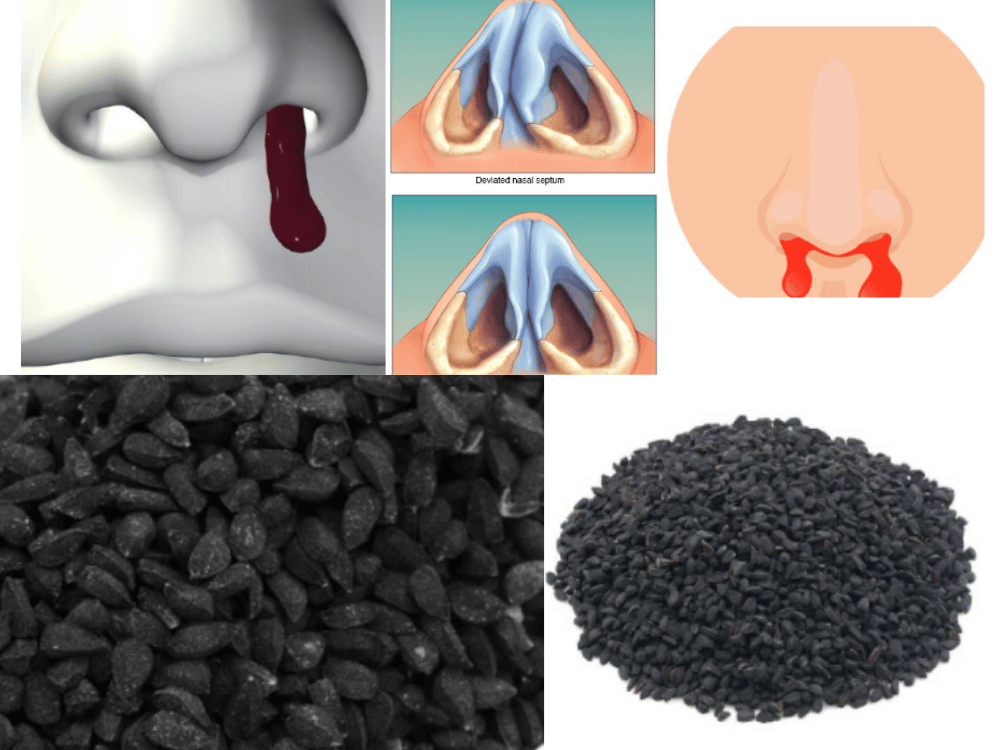
The nose is a vital organ of the human body that plays an essential role in respiration, filtration of air, and the sense of smell. It is lined with delicate blood vessels and sensitive tissues that can easily be affected by environmental, dietary, and systemic factors. Various nasal diseases can disrupt its normal functioning, with nosebleeds (epistaxis) being one of the most frequently observed conditions.
Nosebleeds (Epistaxis)
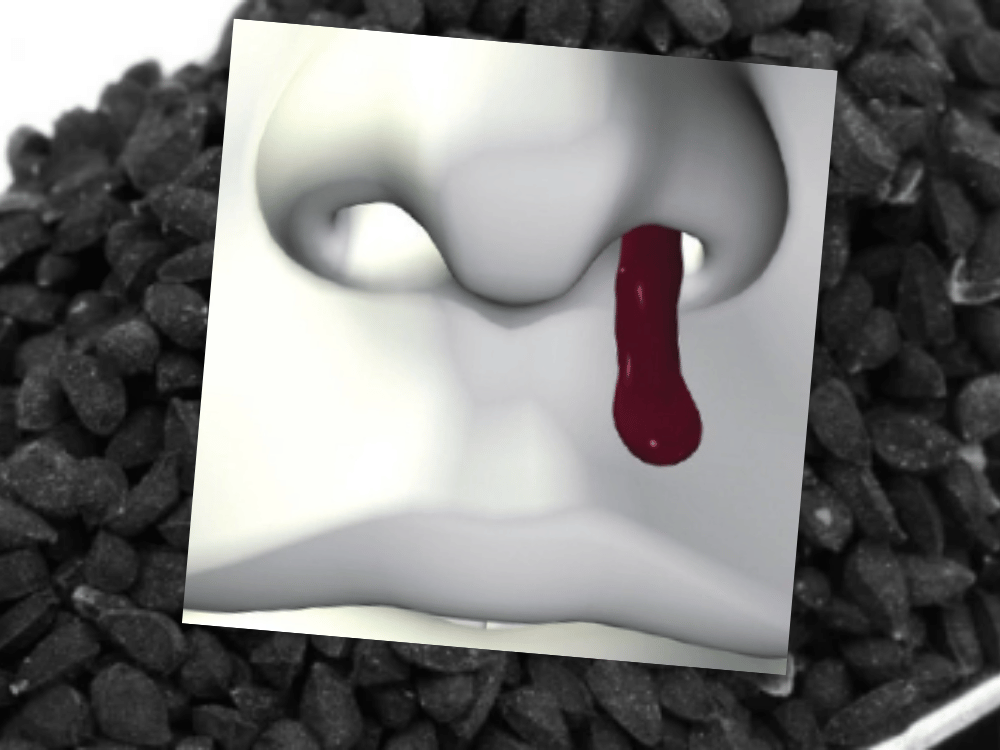
Nosebleeds occur when the small, thin blood vessels inside the nasal cavity rupture. These vessels are highly sensitive and can break due to even minor irritation or internal imbalance. One of the most common causes of nosebleeds is increased blood pressure or excessive blood circulation. When the pressure of blood flow rises beyond normal levels, the fragile veins in the nose may not تحمل the force and eventually burst, resulting in bleeding.
Climatic conditions also significantly influence nasal health. Exposure to high temperatures, especially during hot weather or prolonged stays under direct sunlight, can dry out the nasal mucosa. This dryness leads to cracking and irritation, making the blood vessels more prone to rupture. Similarly, dry winds and dusty environments can aggravate this condition.
Dietary habits are another important contributing factor. Frequent consumption of excessively “hot” foods and beverages, according to traditional medical understanding, increases internal heat in the body. This internal heat may weaken the nasal tissues and increase susceptibility to bleeding.
Certain medical conditions are strongly associated with recurrent nosebleeds. These include hypertension (high blood pressure), kidney diseases, and blood disorders that affect clotting mechanisms. In such cases, nosebleeds may be a symptom of an underlying systemic issue and should not be ignored.
Local trauma is also a very common cause. Habitual nose picking, especially with fingernails, can damage the delicate inner lining of the nose. When the wound is repeatedly disturbed before healing, it can lead to persistent or repeated bleeding episodes.
Traditional Treatment for Nosebleeds
A well-known traditional remedy involves the use of kalonji (Nigella sativa) and olive oil. Kalonji is valued for its healing, anti-inflammatory, and soothing properties, while olive oil helps in moisturizing and protecting the nasal lining.
To prepare this remedy, take 4 grams of kalonji and 20 milligrams of olive oil. Boil the kalonji in the olive oil gently, then strain the mixture to obtain a صاف infused oil. A few drops of this oil can be applied into the nostrils. This helps to soothe irritation, reduce dryness, and may assist in controlling minor bleeding.
Other Common Nasal Disorders
In addition to nosebleeds, several other nasal conditions may affect individuals:
Nasal congestion is a common issue caused by inflammation or blockage in the nasal passages, leading to difficulty in breathing.
Nasal warts are abnormal growths inside the nasal cavity that may cause discomfort or obstruction.
Enlargement of the nasal septum can narrow the air passage, making breathing difficult.
Crookedness or deformity of the nasal bone may occur due to injury or congenital reasons, affecting both appearance and function.
These conditions may vary in severity and may require proper diagnosis and management depending on their cause.
Herbal Remedy for Nasal Disorders
A traditional herbal formulation is often recommended to support nasal health and relieve various nasal problems. The ingredients include kalonji, qast shirin, berg kansi, and meth (fenugreek). Each of these components is believed to have beneficial properties such as reducing inflammation, improving circulation, and clearing blockages.
Preparation and Method of Use
All the ingredients should be finely ground to form a uniform mixture. A decoction is then prepared from this powder. The recommended dosage is half a teaspoon taken twice daily, in the morning and evening, after meals. This regimen should be continued for twenty days for optimal results.