



Introduction to the Intestines
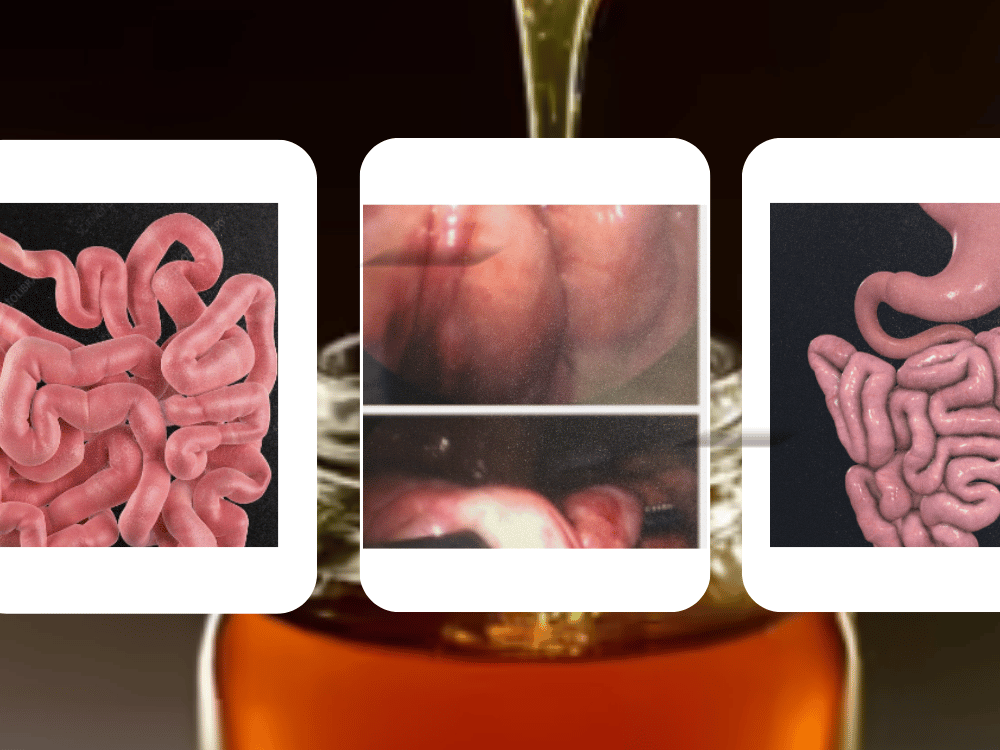
The intestines play a very important role in the human body. They help in the movement of food. The stomach acts as a natural gatekeeper, allowing only digested, soft, and thin food (chyme) to pass into the intestines while preventing undigested food from returning.
There are two types of intestines: the small intestine and the large intestine.
Structure and Function of the Small Intestine
The small intestine is a tube about twenty feet long, with twisted loops wrapped around the stomach like a large rubber tube. Its first part, bent like a horseshoe, is called the duodenum.
Its inner surface contains finger-like projections (villi) that have fine blood vessels responsible for absorbing digested nutrients. These projections also contain glands that secrete intestinal juice, which further helps in digestion.
Structure and Function of the Large Intestine
The large intestine, or colon, is about five feet long and is wider and thicker than the small intestine. It does not contain villi or glands.
It begins with a closed pouch, from which a worm-shaped structure (appendix) hangs. By the time food reaches the large intestine, most nutrients have already been absorbed. The remaining waste is eventually excreted from the body as feces.
Description of Constipation
Prolonged retention of feces in the intestines causes irritation. If not treated on time, it can lead to intestinal weakness and hemorrhoids. Accumulated waste produces harmful substances that are absorbed into the blood, causing various health issues.
Constipation disrupts the entire body system and is considered the root of many diseases. Early treatment can prevent it, but neglect may make it chronic.
Role of Honey in Constipation
Honey acts as a natural disinfectant and is highly effective in relieving constipation. It helps remove toxic substances from the intestines and blood, restoring normal bowel movements.
Traditionally, newborn babies are given honey to cleanse their digestive system. Honey removes toxins and helps regulate both constipation and diarrhea. Due to its natural sugars, it effectively cleanses the body and blood.
First Recipe for Constipation
Ingredients: Two tolas of pure honey, two tolas of rose hips, one ratti of saffron.
Preparation: Mix all ingredients well and use at one time. This is one dose. Take it before bedtime, preferably with lukewarm milk or water. It is especially useful for chronic constipation
Second Recipe for Constipation
Mix one spoon of honey in a cup of lukewarm water, dissolve well, and drink before bedtime. This is a simple and effective remedy that relieves constipation and cleanses the intestines.
Third Recipe for Constipation
Ingredients: Three tolas of pure honey, two tolas of walnut kernels, eight tolas of rose water, ten tolas of saffron.
Preparation: Grind walnut kernels finely. Cook all ingredients together in a covered cast-iron pot on low heat. Stir occasionally to prevent burning. When thick, store in a jar and keep in a shaded place for one week.
After one week, it is ready for use. Take two doses with lukewarm water during constipation. It provides quick relief and cleanses the intestines.
Elimination of Salivation and Phlegmatic Constipation
Ingredients: Three grams of cinnamon, three grams of ginger, two tolas of pure honey, one ratti of saffron.
Preparation: Grind cinnamon and ginger into a fine powder. Mix with saffron and honey thoroughly. Store in a bottle.
Use one tablespoon with lukewarm water during illness. It is beneficial for mucus-related constipation.
Fourth Recipe for Constipation
Ingredients: Cardamom 6 masha, clove 6 masha, cinnamon 1 tola, jawtri 1 tola, oudhindi 1 tola, saad koon 1 tola, pure honey 1 pau, saffron 1 ratti.
Preparation: Grind all ingredients except honey and saffron into a fine powder. Strain and mix into honey. Beat well and store in a jar.
Use one tola after meals with warm water or milk during illness. It provides immediate relief, removes constipation, and reduces intestinal dryness. This is an effective and proven remedy.
Hemorrhoids (Piles)
This is an intestinal disease caused by dryness in the large intestine (colon). Hemorrhoids are called piles in English. There are many types of hemorrhoids, but the most painful and dangerous are bloody hemorrhoids. Internal hemorrhoids are deep inside, while external hemorrhoids may become infected due to sitting, movement, or friction with feces. People who frequently use medicines that cause excessive diarrhea may also become affected.
Hemorrhoids During Pregnancy
During pregnancy, many women suffer from hemorrhoids, but this condition is usually temporary. As the baby grows, pressure affects the surrounding blood vessels, causing swelling and the formation of warts. These usually improve after childbirth, but in some cases, they become permanent.
Lack of Awareness and Diagnosis
Many patients remain unaware of hemorrhoids for years. In chronic cases, symptoms such as pain and blood in the stool reveal the disease.
Common Symptoms of Hemorrhoids
A key symptom is the frequent urge to use the toilet. Even after defecation, there is a feeling of incomplete evacuation or heaviness in the abdomen. If the intestines are not clean and discomfort persists, dietary attention is necessary, especially to prevent constipation.
Importance of Diet and Lifestyle
Hemorrhoids are not incurable if the root cause is treated. Improving and maintaining a proper diet plays a major role in recovery. The following precautions should be observed:
Dietary Restrictions
Do not eat large meat, eggplant, lentils, rice, or bakery products.
Limit meat consumption to once a week and reduce the use of red pepper.
Avoid foods that increase acidity and irritate the intestines, especially spicy and meat-based dishes.
Lifestyle Recommendations
Avoid sitting on soft foam or feather mattresses; instead, sit on a wicker or rattan chair.
Establish a regular time for defecation, preferably morning and evening.
Recommended Foods
Eat radish regularly, whether raw or cooked, and include salad with every meal.
If radish leaves are available, consume them.
If radish is not available, drink one glass of radish juice daily as medicine.
Hygiene Practices
After defecation, wash the anus thoroughly with water and soap.
Dry the area with a soft cloth and apply a small amount of sesame oil.
General Preventive Advice
The most important thing is to protect yourself and not neglect the condition under any circumstances.
Bloody Hemorrhoids
In this type, bleeding occurs from the warts, sometimes mixed with stool or appearing afterward. Continuous bleeding may weaken the patient. Traditional practitioners believed that the discharge of impure blood could be beneficial, but excessive bleeding should be controlled, especially in weak patients.
Chronic Hemorrhoids
Chronic hemorrhoids involve severe itching and swelling. Even without bleeding, itching can be intense, leading to scratching and wounds. Pain and difficulty in defecation are common, often accompanied by severe constipation.
Role of Honey in Hemorrhoids
Honey has healing properties and has long been used in traditional treatments. Honey baths have been commonly recommended. Mixing one tola of honey in a glass of water and giving it at the right time may help in managing this condition.
Relief from Irritation of Warts
When itching becomes severe, it can be unbearable. In such cases, mix one tola of honey with an equal amount of desi ghee to form an ointment. Apply it gently to the affected area and massage lightly. Relief is usually achieved in a short time.
Khawani Hemorrhoid Treatment
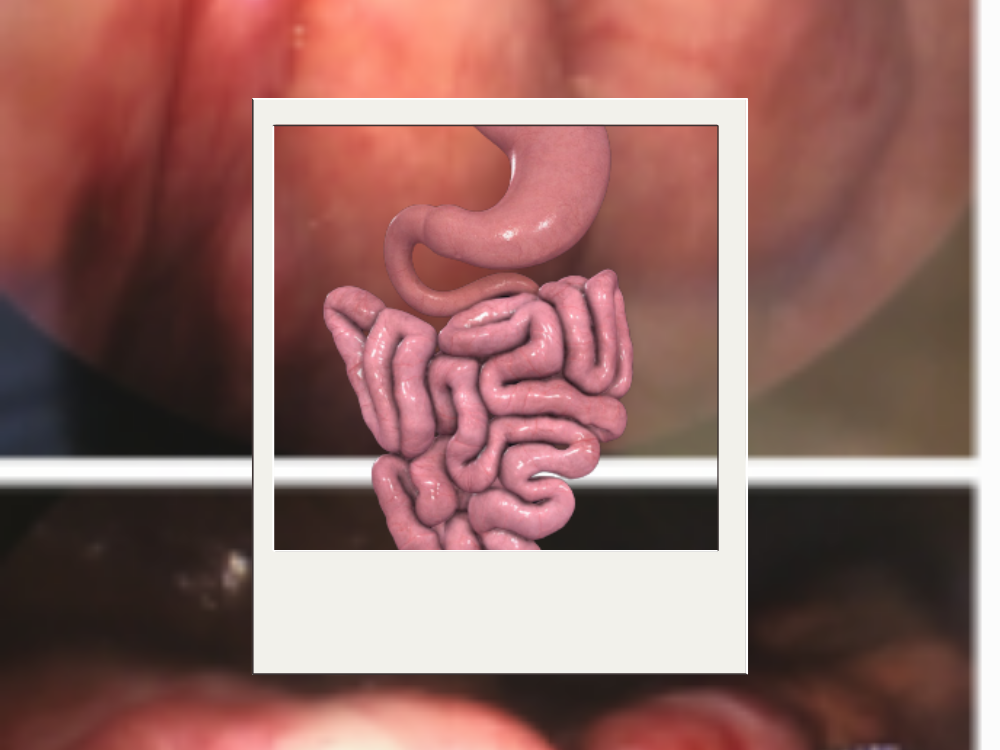
Ingredients: Two tolas of honey, half a cup of desi ghee, and one piece of root of Kath Gular.
Preparation: Mix honey and desi ghee in a vessel. Take the required amount of Kath Gular root bark and soak it in its extract (Panchang). After one day, remove it and dry it in a shaded place. Repeat this soaking and drying process two more times. Once fully dried, grind it into a fine powder. Mix this powder thoroughly into the honey and ghee mixture to form a paste. Store in a bottle.
This medicine should only be used during illness. The dosage should not exceed one tola. It is considered a highly effective remedy for bleeding hemorrhoids.
Proven Treatment for Flatulence and Bloody Hemorrhoids
Ingredients: 22 tolas of honey, 112 tolas of karanj seeds.
Preparation: Grind the karanj seeds very finely using a mortar and pestle. Store the powder in a clean, dry bottle.
Dosage Schedule for Hemorrhoid Medicine (Suffo Method)
This medicine should be used only during the days of illness. It follows a specific sequence and must be taken in the same order:
On the first day, take one tola of the medicine with honey.
On the second day, take two tolas of this suffo with one tola of honey.
On the third day, take three tolas.
On the fourth day, take four tolas.
Continue increasing the dose daily in this manner until the ninth day (nine tolas) and the tenth day (ten tolas).
After this, begin reducing the dosage:
On the fifteenth day, take nine tolas.
On the sixteenth day, take eight tolas.
On the seventeenth day, take seven tolas.
On the eighteenth day, take six tolas.
On the nineteenth day, take five tolas.
On the twentieth day, take four tolas.
On the twenty-first day, take three tolas.
On the twenty-second day, take two tolas.
On the thirtieth day, take one tola of this suffo with honey daily.
This is a very useful and proven prescription for all types of hemorrhoids.
Healing Treatment for All Types of Hemorrhoids
Ingredients: Pure honey (three pao), ground black pepper (two and a half tolas), cumin seeds (seventeen tolas), saffron (one ratti).
Preparation: Grind black pepper and cumin seeds very finely using a mortar and pestle. When the mixture becomes like flour, add it to honey and mix thoroughly. Add saffron and mix well to form a paste. Store it in a bottle. Roasting cumin seeds on a tawa before grinding can enhance their properties.
Usage: This medicine should be used only during illness. Take six tablespoons of this paste three times a day with plain water. Most traditional practitioners recommend taking it without water. Continued use for a few weeks is beneficial for all types of hemorrhoids.
Healing Recipe for Bloody Hemorrhoids
Ingredients: Four tolas of sun leaf, three tolas of opium, three tolas of ginger, and half a cup of pure honey.
Preparation: Grind all ingredients except honey into a fine powder. Mix thoroughly with honey and beat well until a smooth paste is formed. Store in a bottle.
Usage: Use this medicine only during illness. Take half a kilogram of cow’s milk and mix ten tolas of cow’s desi ghee into it. Then add three tolas of white sugar. Take one tola of the prepared medicine three times a day.
If diarrhea occurs during use, do not panic. Continue the treatment for forty days. If diarrhea becomes severe, consult a doctor.
Proven and Effective Treatment for Piles
Ingredients:
Gum Kakar, Gum Katir, starch, Al-Sus, Bengal, black poppy seeds, Bala-Fala Muffasar seeds (six grams), Bazazeej, Sam-ul-Farteen (three grams), pure opium (ten grams), saffron (three ratti), purified Gokal (one tola), raisins (four tola), and pure honey (six qatankak).
Preparation:
Mix all the ingredients except honey and grind them very finely in a mortar. Then mix this powder with honey to make a paste.
Usage:
This medicine should be used only during the days of illness, not on normal days. The dosage is one tola, taken three times a day with half a kilogram of fresh cow’s milk. It is beneficial for all types of piles and helps cure the disease.
A Simple Recipe for Bloody Piles
Ingredients:
Pure honey and one bottle cork.
Preparation:
Take a cork from a bottle and burn it to ashes. Do not use paper, oil, or any other substance to ignite it; it is better to drop a few drops of honey on it before burning. Once it turns into ash, store it in a bottle.
Usage:
Take six tablespoons of this ash and mix it well in one tola of honey. Use it three times a day. You may feel the taste of the cork while consuming it; continue using the medicine despite this, and its healing effects will become noticeable within a few days.
A Good Recipe for Bloody Hemorrhoids
Ingredients:
Ten tola of pure rasunt, one tola of goldfish, one drop of rose water, and one drop of pure honey.
Preparation:
Fill a clean bottle with rose water and dissolve the rasunt in it. Allow it to settle so impurities sink to the bottom, then filter using a muslin cloth and store separately. Grind the goldfish finely and store it in another bottle.
Usage:
Mix four masha of goldfish with one and a half tola of honey and gently massage the patient. After this, give the patient half a teacup of the prepared rose water solution. For twelve days, strictly avoid sour, hot, and oily foods, and refrain from exercise. This treatment helps cure bloody hemorrhoids.
Healing Recipe for Colon Inflammation
Nature has made the structure of our intestines very delicate. When diseases develop in the intestines, the pain can become so severe that the patient may lose consciousness. Honey is considered a healing remedy for intestinal diseases. It helps open the colon and is also beneficial for constipation in children.
When wounds form in the intestines, symptoms such as stomach pain and severe diarrhea occur. This condition is extremely painful, and the patient often feels intense restlessness. If swelling is also present, the suffering becomes even more severe. In such cases, this remedy provides soothing and effective relief.
Ingredients:
Two tolas of barting seeds, one kilogram of water, and one pound of pure honey.
Preparation:
Boil the barting seeds in water on low heat. When the water reduces to about three pounds, remove it from the stove. Let it cool slightly, then mash the seeds and strain the liquid. Add three tablespoons of honey and mix well.
Usage:
Administer this liquid to the patient as a douche (intestinal cleansing method). It helps clean intestinal wounds and reduce inflammation. Repeat this process regularly for better healing. During treatment, the patient should follow a soft and gentle diet.
Simple and Useful Recipe for Intestinal Worms
Ingredients:
Plas papra (seven masha) and pure honey (two tolas).
Preparation:
Grind the black pepper and extract its juice, then mix it well with honey.
Usage:
When needed, give the full prepared quantity to the patient or to children who have intestinal worms. After this, administer a good laxative so that the dead worms are expelled from the stomach.
Easy Treatment for Intestinal Worms
Ingredients:
Six mashed neem leaves, six mashed dathura leaves, six mashed castor leaves, and two tolas of pure honey.
Preparation:
Fresh leaves are preferred. If fresh leaves are not available, soak them in water for some time and then extract their juice. Take six masha of this juice and mix it with honey.
Usage:
Give the entire prepared medicine to the patient at one time. This helps destroy the worms in the stomach, which are then expelled by using a laxative.
A Simple Recipe for Diarrhea
Ingredients:
One part honeydew melon, two parts fine ginger, three parts pure opium, and pure honey as required.
Preparation:
Grind all the ingredients into a paste and knead them with honey. Form small tablets the size of millet grains.
Usage:
After each episode of diarrhea, take one tablet with two tolas of honey. After using a few tablets, the condition improves.
Some practitioners prepare these pills with lemon juice, but they are mainly effective for daytime diarrhea. There are many types of diarrhea, including gastric, intestinal, hepatic, biliary, phlegmatic, bilious, bloody, and dysenteric. Each type may require specific treatment methods, but these tablets are considered useful and effective in many forms of diarrhea.