



Introduction
Cassia absus, commonly known as chaksu, is an annual herbaceous plant valued in traditional medicine, particularly for its eye-related benefits. It is widely found in India, Pakistan, Iran, and Arabia.
Morphological Characteristics
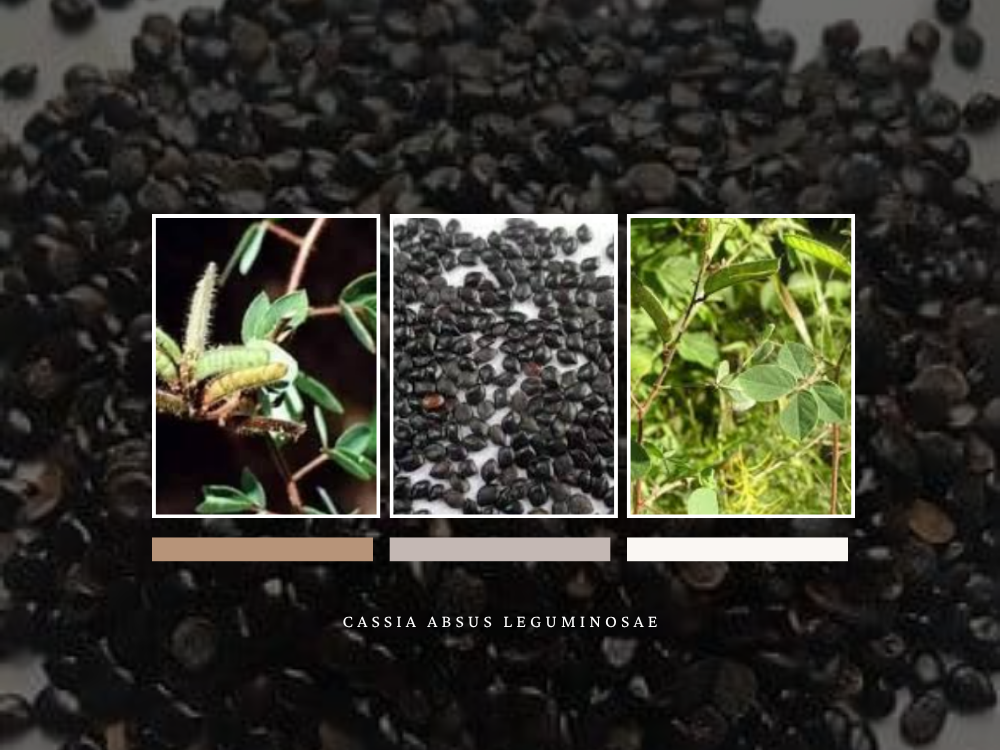
Plant
- An annual herb, growing 1–2 feet tall
- Covered with fine hairs (hairy plant)
- Branches are slender
Leaves
- Located at the ends of branches
- Green in color
- About 1–2 inches long
- Similar in appearance to panwar (Cassia tora) leaves
Flowers
- Small and light yellow in color
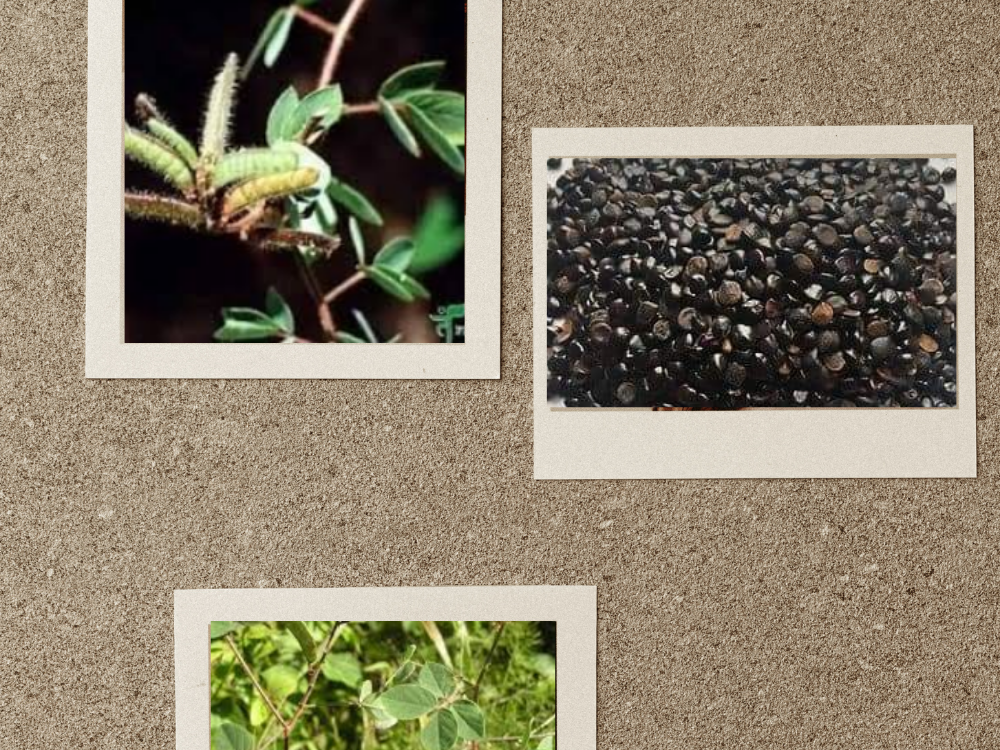
Fruit and Seeds
- Pod length: 1–1.5 inches, slightly curved
- Contains 5–6 flat, hard seeds
- Seed color: Black or brown with speckles
- Two ridges (veins) present inside the pod
Chemical Composition
- Contains about 7% salts
- Also contains trace amounts of manganese
Temperament (Mizaj)
- Hot and dry (2nd degree)
Actions (Pharmacological Effects)
- Eye tonic (Muqawwi-e-Basar)
- Astringent (Qabiz)
- Strong astringent
- Soothing (Musakkin)
- Blood purifier (Musaffi-e-Dam)
Uses
Eye Diseases
- Highly beneficial for:
- Weak eyesight
- Chronic eye problems
- Traditionally, the seeds are peeled and soaked in suitable liquids (e.g., onion water) and used carefully
Skin Conditions
- Useful in:
- Scabies
- Lice infestation
Blood and Piles
- As a blood purifier, it helps in managing hemorrhoids (piles)
- Tablets made with Chaksu and Rasaut are used for relief
Kidney Disorders
- Soaking 21 seeds of Chakso with white sandalwood in water overnight and drinking the filtered water in the morning may help in kidney-related issues
Common Formulations
- Hub Surkhbada
- Hub Musaffi-e-Khoon
- Safoof Chakso (for eye diseases)
- Other traditional compound medicines
Special Benefit
- Particularly effective in eye diseases and vision improvement
Dosage
- 2–3 pills (as prescribed)
Precautions
- Should be used carefully in eye applications
- Always follow proper preparation and dosage
- Use under qualified supervision