



Introduction
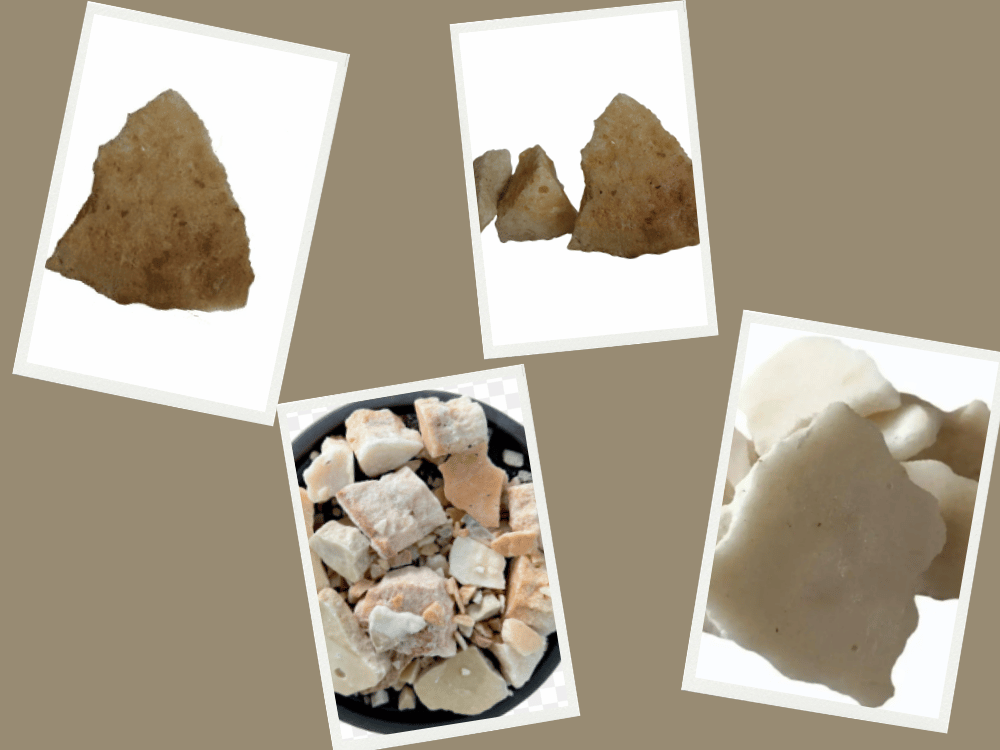
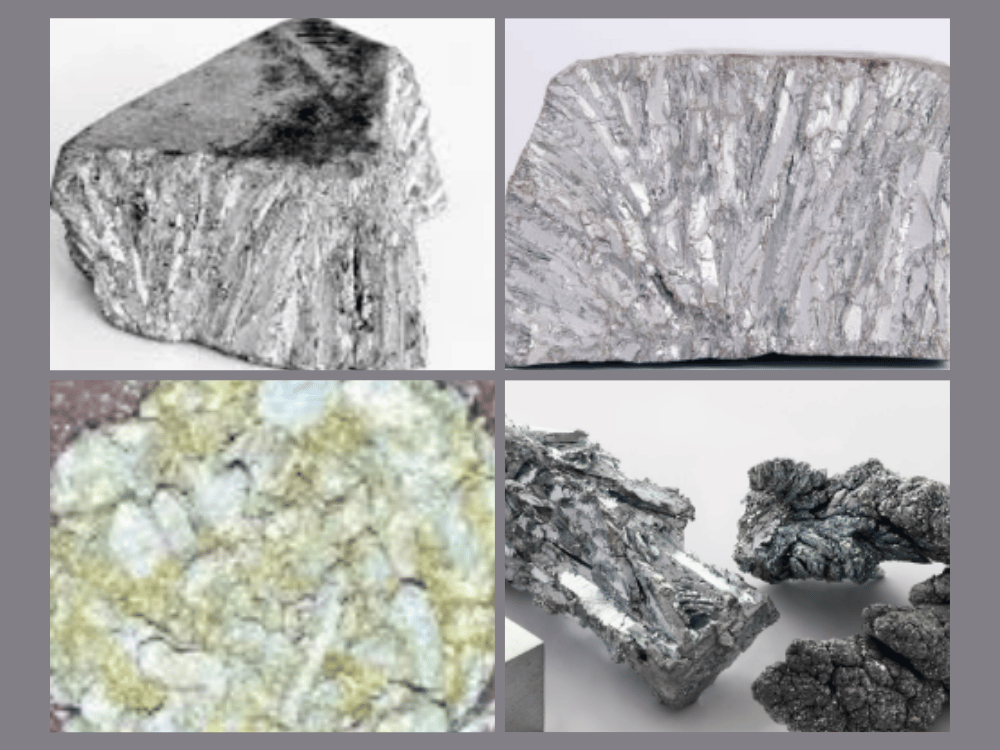
Zinc is a metallic element widely used in traditional and modern medicine. It is commonly used in the form of zinc oxide or calx (Kushta Jast) for its astringent, drying, and healing properties.
Note: The preparation method described previously (barley ash and salt extraction) belongs to potassium carbonate (Potassii Carbonas), not zinc. Zinc is obtained from its ores and purified through heating and processing.
Preparation (General Method)
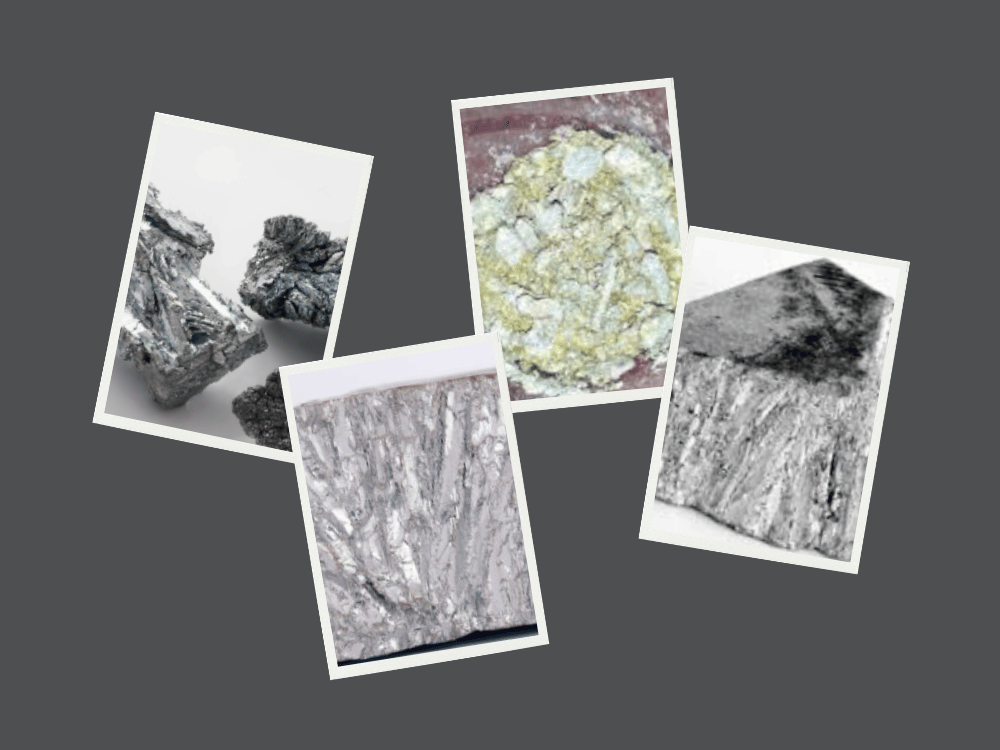
- Zinc is obtained from its natural ores such as zinc sulfide.
- It is purified by heating and oxidation, forming zinc oxide.
- In traditional medicine, it is further processed into Kushta (calx) for safe medicinal use.
Temperament (Mizaj)
- Cold and dry (2nd–3rd degree)
Actions (Pharmacological Effects)
- Astringent (Qabiz)
- Desiccant (Mujaffif)
- Antiseptic
- Wound healer (Mudammil-e-Qurooh)
- Anti-inflammatory
- Nervine tonic (mild)
Uses
Skin and External Use
- Useful in:
- Wounds and ulcers
- Eczema and dermatitis
- Eye infections (in mild preparations)
- Promotes drying and healing of tissues
Digestive System
- Helps in diarrhea due to its astringent effect
- Strengthens intestinal lining
Nervous System
- Mild nervine tonic
- Supports general body strength
Other Uses
- Used in formulations for inflammation and infections
Special Benefits
- Excellent wound-healing agent
- Strong astringent and protective effect on tissues
- Widely used in skin and eye preparations
Dosage
- Depends on preparation (especially Kushta form)
- Must be used in very small, prescribed amounts
Compound Formulations
- Kushta Jast preparations
- Included in various ointments and eye medicines
- Used in topical healing formulations
Precautions
- Raw zinc should not be used internally without proper processing
- Excess use may cause toxicity
- Always use under qualified medical supervision