



Introduction
Ipomoea purga, commonly known as jalapa, is a medicinal plant whose dried root is widely used in traditional systems of medicine. It is especially valued for its strong laxative and expectorant properties.
Botanical Description
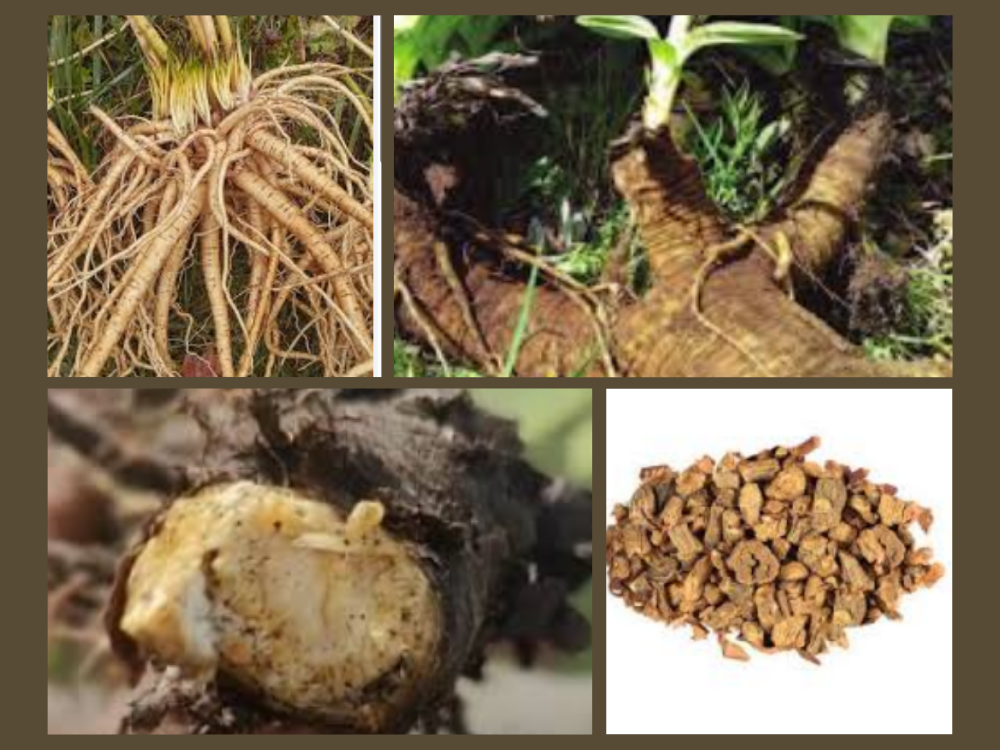
Root
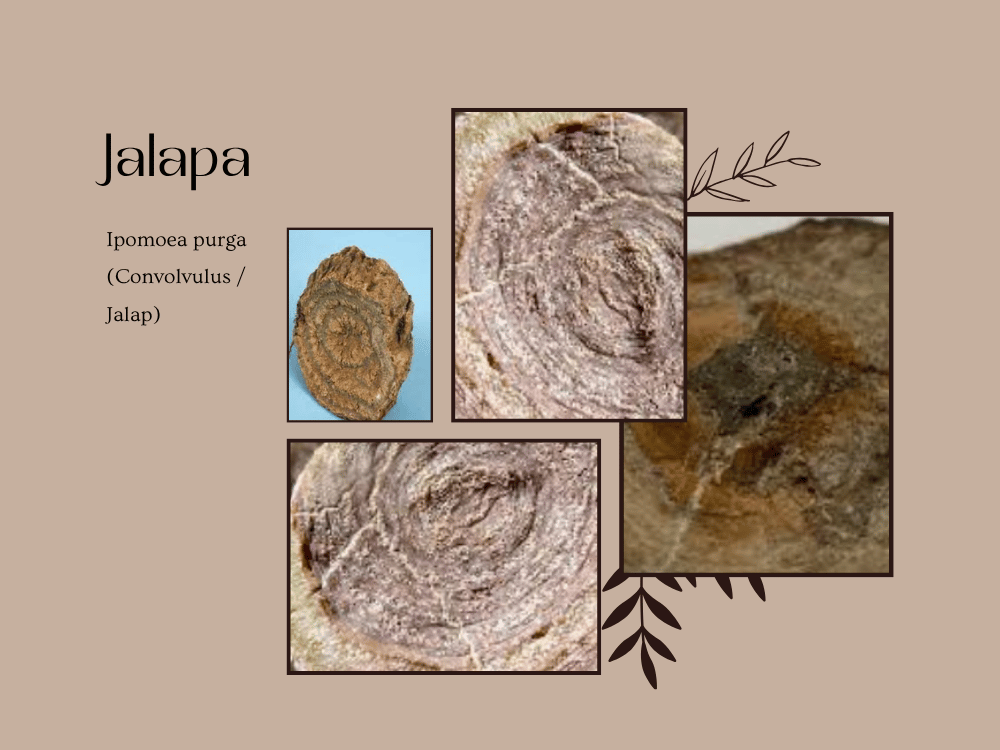
- The medicinal part is the dried root
- Irregular in shape: oval, segmented, or lobed
- Size: approximately 1 to 3 inches long
- Hard, solid, and heavy
- Larger roots are often cut into smaller pieces
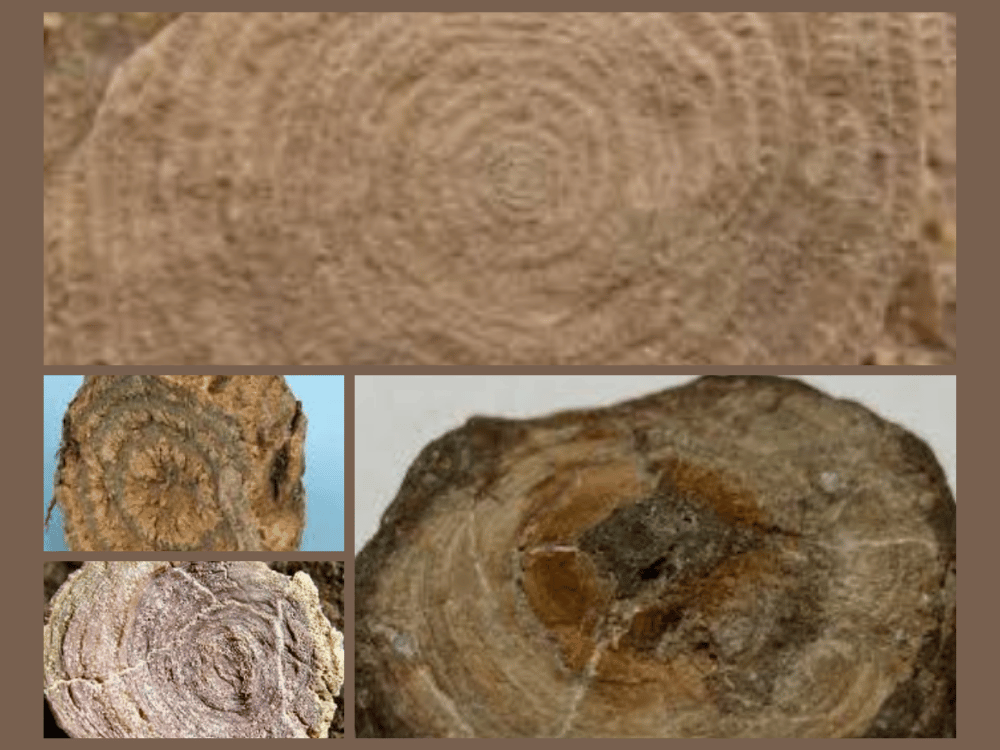
Color and Structure
- Outer surface: black with wrinkles and small spots
- Inner surface: yellowish
- When cut diagonally, shows irregular black lines inside
Taste
- Initially slightly sweet
- Later becomes astringent and somewhat unpleasant
Chemical Composition
- Contains 9–18% resin
- Includes jalapa resin (Jalapin)
- Other active constituents contribute to its purgative action
Temperament
- Hot and dry in the second degree
Actions (Pharmacological Properties)
- Strong laxative (purgative)
- Expectorant (removes phlegm)
- Anti-phlegmatic
- Mild deobstruent
Medicinal Uses
Digestive System
- Effective in relieving chronic constipation
- Acts as a safe and effective purgative when used properly
Respiratory System
- Helps in expelling phlegm
- Useful in:
- Cough
- Cold conditions
- Decoction may be used in respiratory congestion
Urinary and Reproductive System
- Traditionally used in chronic urinary issues, especially in women
Musculoskeletal System
- May help relieve:
- Joint pain
- Weakness or relaxation of muscles
Method of Use
- Commonly administered in the form of:
- Powder
- Decoction
- Often given with:
- Rose water (preferably warm) to reduce weakness
- Other supportive substances to balance its strong action
Special Benefits
- Effectively thins and expels phlegm
- Provides gentle but reliable purgative action
Dosage
- Approximately 1.5 teaspoons (as per traditional guidance)
Precautions
- Should be used in controlled doses due to its strong laxative effect
- Excess use may lead to:
- Weakness
- Excessive purgation