



Scientific Name: Malus sylvestris Mill.
Family: Pomeae
Introduction
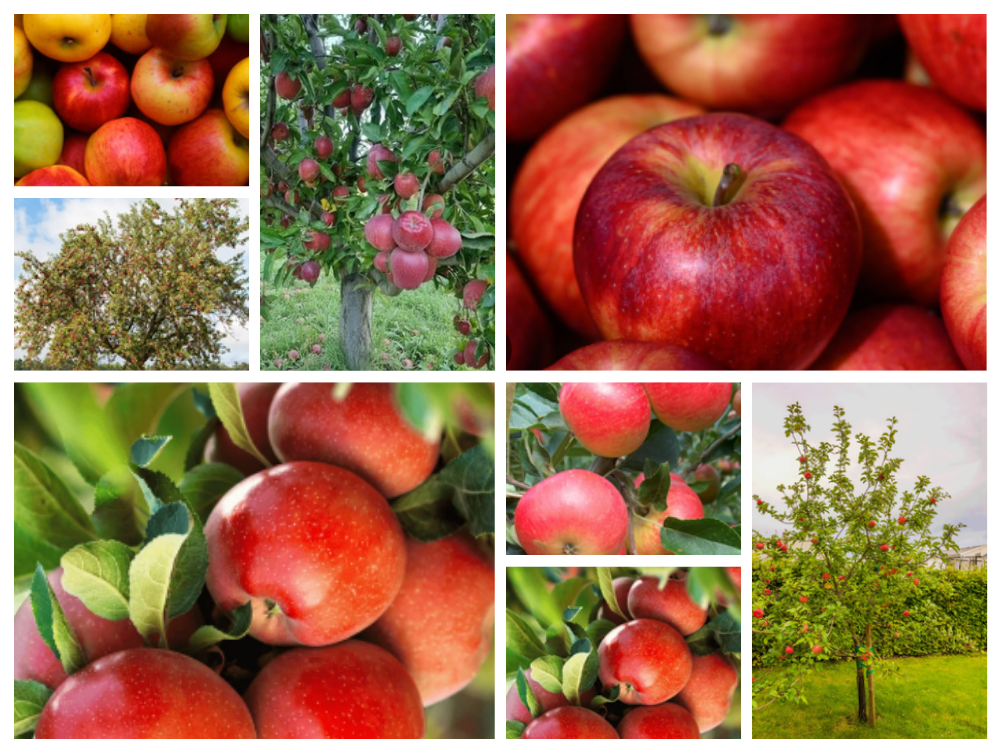
Apple is a fruit belonging to the Rosaceae family. It is a beautiful, aromatic, and delicious fruit. The apple tree typically grows to a height of approximately 30–35 feet (9–10.7 meters).
Leaves
The leaves are oval and pointed, approximately 2–3 inches (5–7.5 cm) wide, with serrated edges. The undersides are white and covered with fine, soft hairs.
Fruit
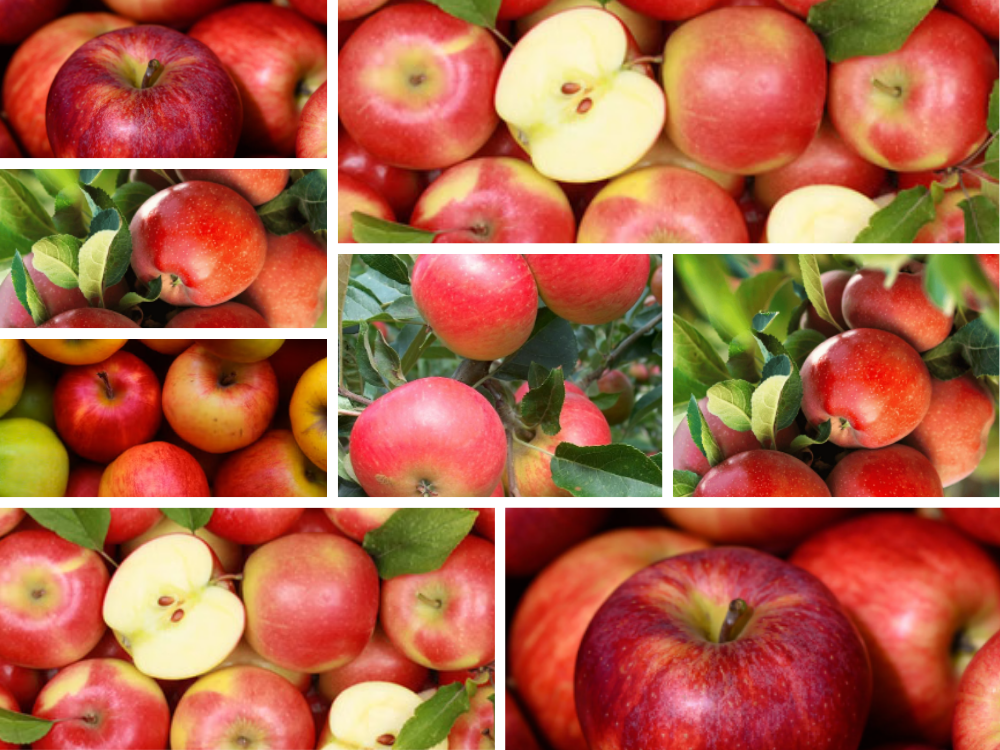
The fruit is round, smooth, and glossy. Unripe apples are generally green, while ripe fruits may turn reddish-yellow. Unripe apples have a somewhat tart and bland taste, whereas ripe apples are sweet and flavorful. However, numerous varieties exist, each with its own distinctive taste.
Habitat and Distribution
Apple trees generally grow at elevations of approximately 8,000–9,000 feet (2,438–2,743 meters). They are found in Kashmir, Shimla, Nainital, Kullu, and other cold, mountainous regions of Asia. Kashmiri apples are traditionally regarded as particularly superior in quality.
Chemical Composition
Apple contains approximately 80% water, along with:
- Sugars
- Phlorizin
- Malic acid
- Phosphorus
- Iron
- Other mineral salts
Temperament
The temperament varies according to the type of apple:
- Sour apples: Cold and dry (first degree)
- Sweet apples: Warm and moist (first degree)
Traditional Actions
Sweet Apple
Sweet apples are traditionally described as
- Cardiac tonic
- Stomach tonic
- Liver tonic
- Brain tonic
- Beneficial for dry cough
- Beneficial for bilious diarrhea
- Mildly astringent
Sour Apple
Sour apples are traditionally described as
- Stomachic
- Liver tonic
- Exhilarant
- Cardiac tonic
- Astringent
- Sedative
- Antiemetic
Traditional Uses
Apple is traditionally used to support the brain, stomach, and liver due to its described exhilarating properties and its ability to strengthen these organs, as well as to alleviate palpitations and obsessive thoughts.
It is also traditionally considered beneficial for bloody and mucous diarrhea. It is believed to calm excessive bile and blood, strengthen the heart, and, because of its sedative properties, help reduce anger and agitation.
Apple is commonly consumed in the form of murabba (preserve), sharbat (syrup), rub (thick extract), and other preparations.
Specific Benefits
Apple is traditionally regarded as exhilarating and is used to strengthen the heart and brain.
Harmful Effect
Excessive consumption is traditionally considered to cause flatulence.
Corrective Agents
Honey and cinnamon.
Dosage
- Rub (thick extract): approximately 11.7–17.5 g
- Sharbat (syrup): approximately 23.3–46.7 g/ml
- Murabba (preserve): approximately 11.7–23.3 g