



Introduction
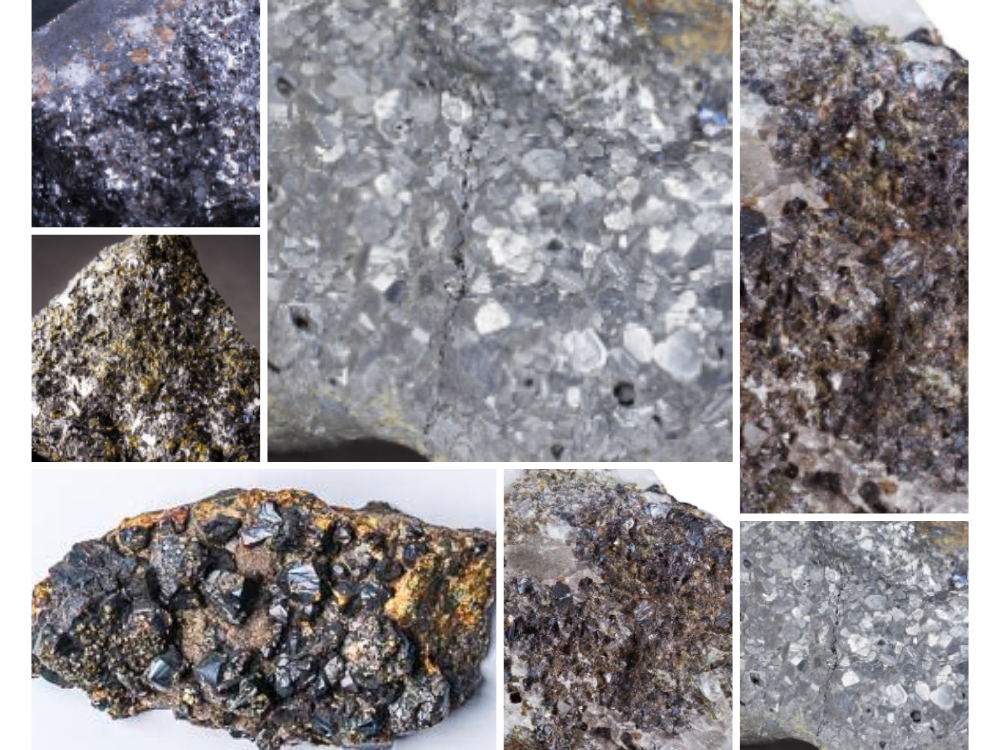
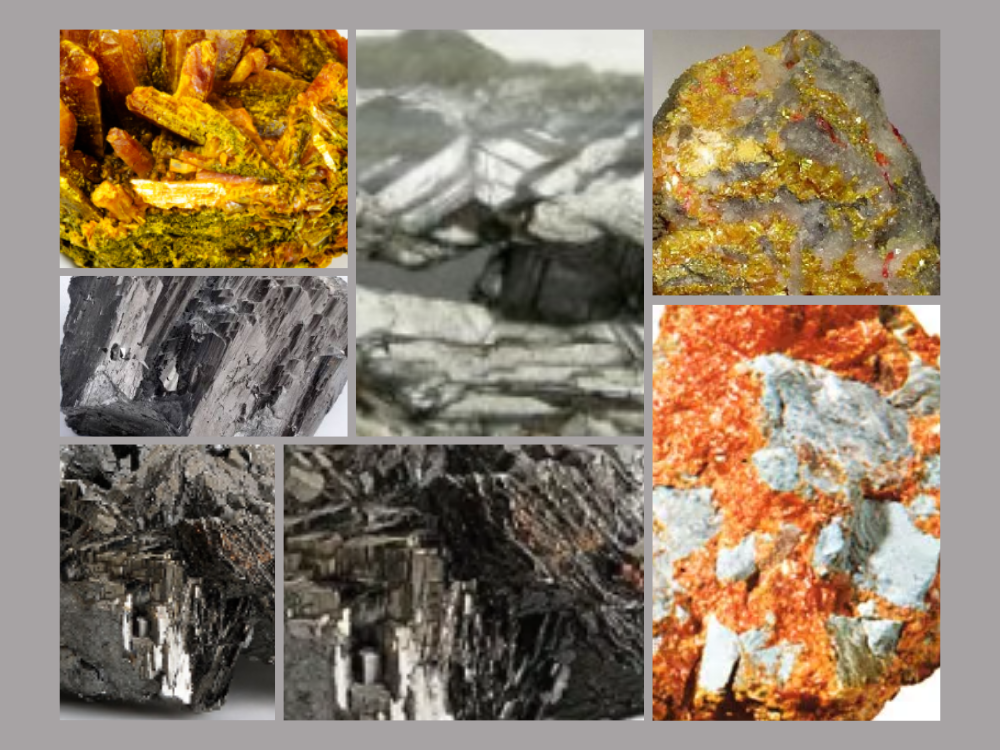
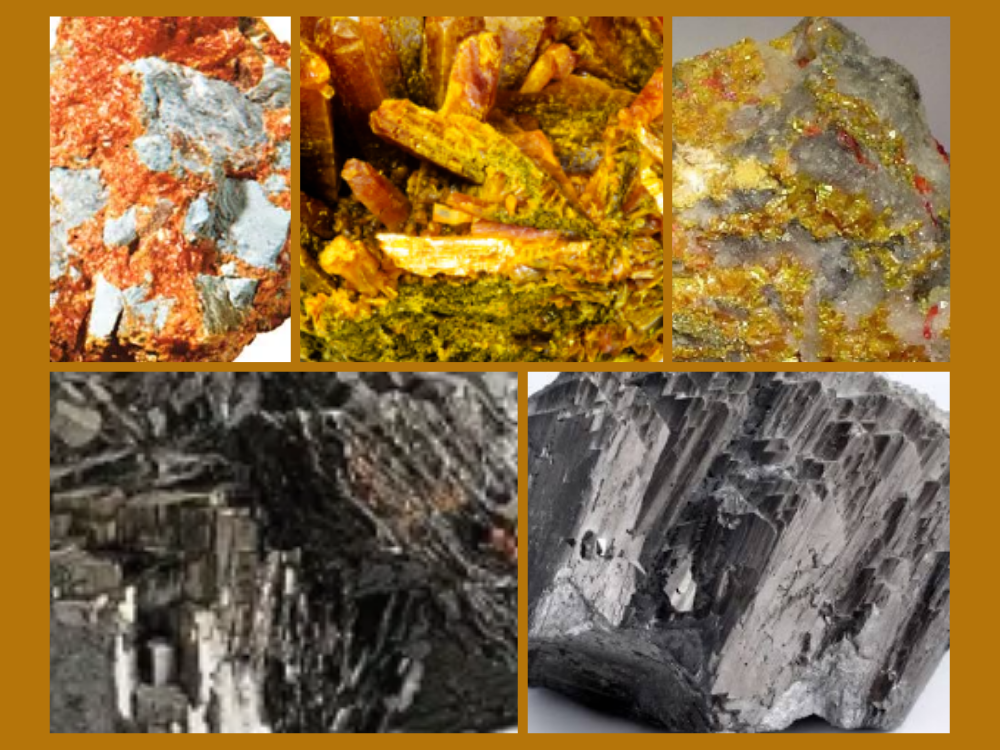
Arsenic is a mineral that is commonly found associated with other minerals such as sulfur, lead, silver, and gold. It is rarely found in a pure state. During traditional processing, the mineral is heated in a specially designed furnace. The sulfur and other materials separate, while arsenic vaporizes and combines with oxygen. It is then collected in a cooler part of the furnace, where it condenses and solidifies.
Temperament:
Hot and dry, fourth degree.
Actions:
Arsenic is a highly poisonous substance. Historically, it has been described in traditional medicine as a tonic and stimulant for the heart, nervous system, and stomach. It has also been attributed with antibacterial, anti-inflammatory, blood-purifying, and stimulating properties.
Uses:
Historically, arsenic preparations were used in decoctions and tinctures. Traditional texts describe their use for respiratory and phlegmatic disorders and as a tonic for the nervous system.
It was also traditionally used for weakness, paralysis, back pain, female sexual weakness, cough, asthma, weakness of the stomach, and as a heart-strengthening preparation.
Heart and General Tonic:
Traditional sources describe its strengthening properties as useful for anemia and general weakness. It was also used historically in certain acute and chronic fevers.
Blood Purifier:
Because of its traditionally attributed anti-inflammatory and blood-purifying properties, arsenic preparations were historically used for certain skin diseases, including typhus, leprosy, and ulcers.
Special Benefit:
Traditionally considered a tonic.
Harmful Effect:
Highly poisonous.
Corrective:
Yellow milk and oil.
Dosage:
The traditional source gives a dose ranging from 1/16 to 1/3 of a rice grain. However, arsenic is highly toxic, and this historical dosage should not be used for self-treatment or internal consumption.