



Introduction
Diabetes mellitus is a group of conditions in which the level of glucose (sugar) in the blood becomes too high. This happens because:
- The body does not produce enough insulin.
- The body cannot use insulin effectively (insulin resistance).
- Or both problems occur together.
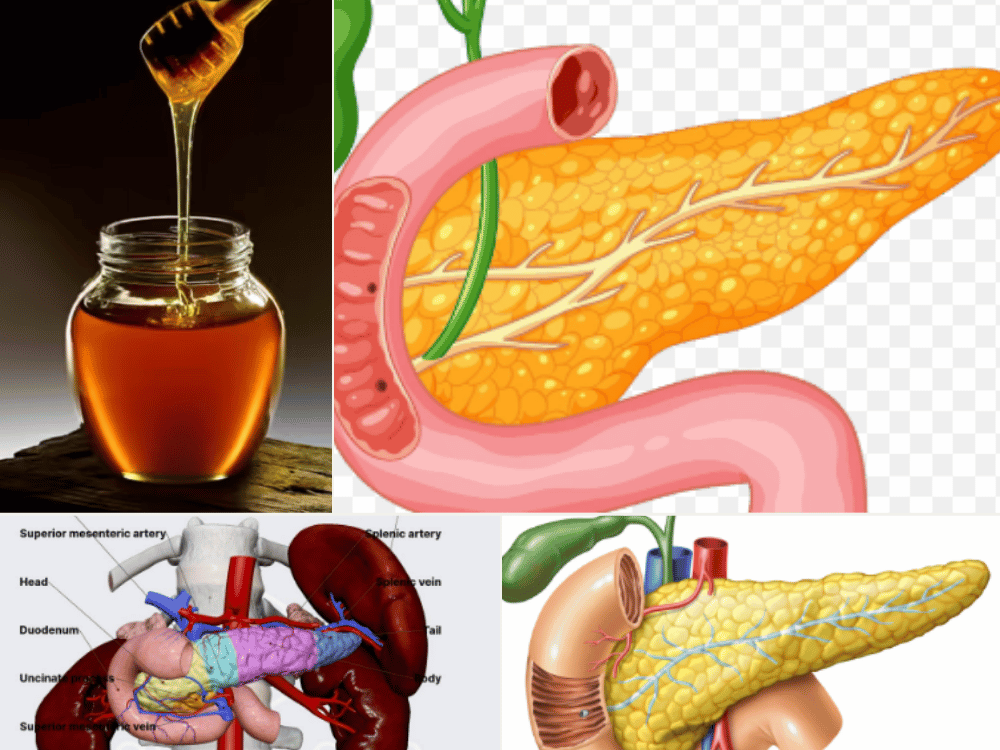
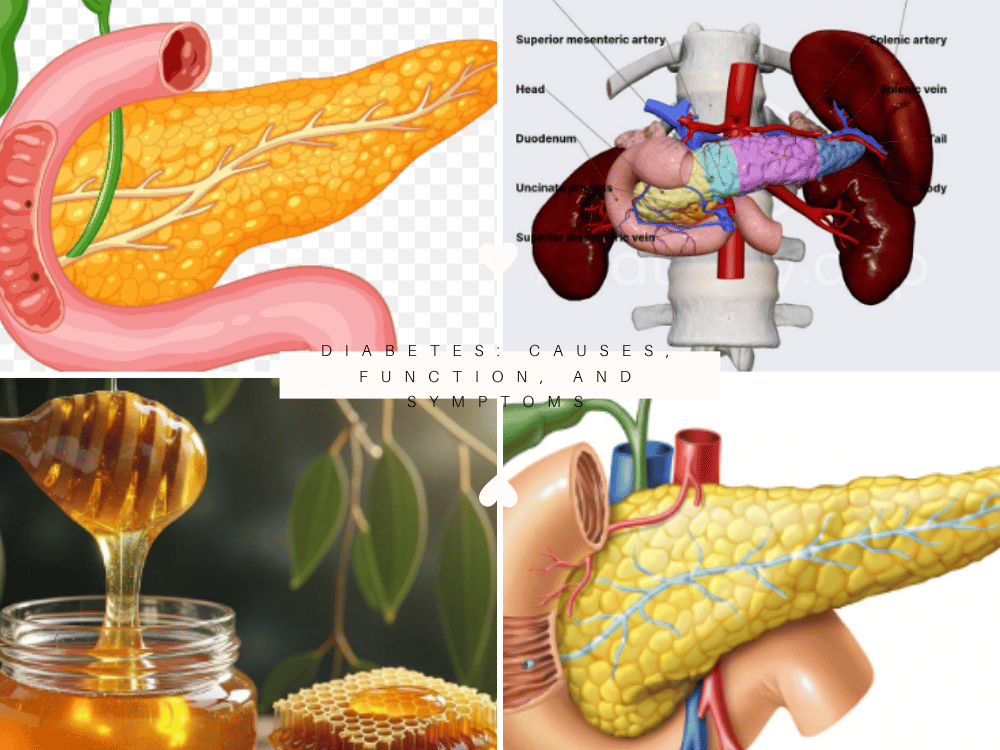
Insulin is a hormone produced by the pancreas. It helps glucose move from the blood into cells, where it is used for energy or stored for later use.
Role of the Pancreas and Insulin
The pancreas has two major functions:
- Digestive function
- It produces digestive enzymes that help break down carbohydrates, fats, and proteins in the small intestine.
- Hormonal function
- Specialized cells in the pancreas produce insulin and other hormones.
- Insulin helps regulate blood glucose levels.
When insulin is insufficient or ineffective, glucose remains in the bloodstream, causing high blood sugar (hyperglycemia).
Causes and Risk Factors
The passage emphasizes urban lifestyle, reduced activity, and excess food intake. These factors are important, especially for type 2 diabetes, but diabetes has multiple causes.
Risk factors include:
Lifestyle factors
- Physical inactivity.
- Excess calorie intake.
- Overweight or obesity.
- Diets high in refined carbohydrates, sugary drinks, and processed foods.
Genetic and biological factors
- Family history of diabetes.
- Increasing age.
- Certain genetic conditions.
- History of gestational diabetes.
Other medical factors
- High blood pressure.
- Abnormal cholesterol levels.
- Certain hormonal disorders.
- Some medications.
Stress and long-term illness can affect blood sugar control, but stress alone is not considered a direct single cause of diabetes.
Types of Diabetes
Type 1 Diabetes
- The immune system attacks insulin-producing cells in the pancreas.
- The body produces little or no insulin.
- It often develops in children or young adults but can occur at any age.
- Requires insulin treatment.
Type 2 Diabetes
- The most common form.
- The body becomes resistant to insulin and may gradually produce less insulin.
- Strongly associated with genetics, excess body weight, and physical inactivity.
Gestational Diabetes
- Develops during pregnancy.
- Usually improves after delivery but increases future risk of type 2 diabetes.
Symptoms of Diabetes
High blood sugar can cause:
Frequent urination (polyuria)
When blood glucose becomes very high, the kidneys try to remove excess sugar through urine. This causes:
- Increased urine production.
- More frequent urination, including at night.
Excessive thirst (polydipsia)
Because the body loses more water through urine:
- Dehydration occurs.
- The person feels unusually thirsty.
- The mouth and throat may feel dry.
Other common symptoms include:
- Increased hunger.
- Unexplained weight loss (especially in type 1 diabetes).
- Fatigue.
- Blurred vision.
- Slow healing of wounds.
- Frequent infections.
- Tingling or numbness in hands and feet.
Prevention and Management of Type 2 Diabetes
Many cases of type 2 diabetes can be prevented or delayed by:
- Maintaining a healthy weight.
- Regular physical activity.
- Eating a balanced diet rich in vegetables, whole grains, legumes, and lean proteins.
- Limiting sugary drinks and highly processed foods.
- Managing blood pressure and cholesterol.
- Getting regular health checkups if at increased risk.
For people diagnosed with diabetes, treatment may include:
- Lifestyle changes.
- Oral medications.
- Injectable medications.
- Insulin therapy when needed.
- Regular monitoring of blood glucose.
Diabetes Diagnosis and Medical Supervision
Diabetes should be confirmed through laboratory testing, usually including blood tests such as:
- Fasting blood glucose
- HbA1c (glycated hemoglobin), which shows average blood sugar levels over about 2–3 months
- Oral glucose tolerance test in certain situations
Urine tests may provide additional information, but modern diagnosis is primarily based on blood tests.
A person with diabetes should work with a healthcare professional to determine:
- The type of diabetes.
- The severity of the condition.
- The most suitable treatment plan.
- The need for medications or insulin.
Treatment is individualized based on factors such as:
- Age.
- Type of diabetes.
- Blood glucose levels.
- Overall health.
- Lifestyle.
- Presence of complications.
Diabetes in Children and Adolescents
Diabetes beginning in childhood or adolescence is often type 1 diabetes, in which the pancreas produces little or no insulin.
Management usually includes:
- Insulin therapy according to medical guidance.
- Regular blood glucose monitoring.
- A balanced diet that supports normal growth and development.
- Education about managing food, activity, and insulin doses.
Children with diabetes require careful monitoring because insulin needs change with growth, illness, and physical activity.
Diabetes in Adults
Diabetes developing later in life is often type 2 diabetes.
Management may include:
- Improving diet quality.
- Increasing physical activity.
- Losing weight if appropriate.
- Oral diabetes medications.
- Injectable medications.
- Insulin when needed.
The statement that diabetes after menopause is always mild is not accurate. Diabetes severity varies widely, and type 2 diabetes can become serious at any age if blood sugar remains uncontrolled.
Insulin Therapy
When insulin is needed, it can provide major benefits:
- Lowers high blood glucose levels.
- Prevents excessive glucose from remaining in the blood.
- Reduces symptoms such as excessive thirst, frequent urination, and fatigue.
- Helps prevent long-term complications.
Insulin may be required in:
- Type 1 diabetes (lifelong insulin is necessary).
- Some cases of type 2 diabetes when other treatments are insufficient.
- Diabetes during certain illnesses or medical situations.
Effect of Insulin on the Pancreas
The passage suggests insulin gives pancreatic cells “time” by reducing their workload. Modern understanding is more complex:
- In type 1 diabetes, insulin-producing cells are destroyed by the immune system and generally do not recover.
- In type 2 diabetes, early treatment and good blood glucose control may help preserve remaining insulin-producing cell function for longer.
Insulin is not a cure for diabetes, but it is a highly effective treatment that helps control blood glucose and reduce complications.
Types of Insulin
Modern medicine uses several types of insulin, classified by how quickly and how long they work:
- Rapid-acting insulin: starts working quickly and is often used around meals.
- Short-acting insulin: works over a shorter period.
- Intermediate-acting insulin: provides longer coverage.
- Long-acting insulin: provides steady background insulin.
- Ultra-long-acting insulin: provides extended control.
The type and dose are chosen according to the person’s needs.
Importance of Monitoring
Regular monitoring helps prevent complications involving:
- Eyes (diabetic retinopathy).
- Kidneys (diabetic kidney disease).
- Nerves (neuropathy).
- Heart and blood vessels.
Modern diabetes care focuses on maintaining healthy blood glucose levels while also managing blood pressure, cholesterol, diet, exercise, and overall health.
Insulin Types
The passage describes two broad categories of insulin:
Rapid-Acting Insulin
Rapid-acting insulin:
- Begins working soon after injection.
- Is commonly taken around mealtimes to control the rise in blood glucose after eating.
- Has a shorter duration of action than longer-acting forms.
Long-Acting Insulin
Long-acting insulin:
- Takes longer to begin working.
- Provides a steady background level of insulin over many hours.
- Helps control blood glucose between meals and overnight.
Modern insulin treatment is individualized. A healthcare professional decides:
- Which insulin type is appropriate.
- The dose.
- The timing.
- How it should be adjusted.
Diet and Diabetes
Food plays an important role in diabetes management, but modern recommendations focus on overall dietary quality and balance, not completely avoiding specific food groups.
Carbohydrates
Carbohydrates are broken down into glucose and are a major source of energy.
People with diabetes do not necessarily need to eliminate carbohydrates. Instead, they benefit from:
- Choosing high-fiber carbohydrates.
- Controlling portion sizes.
- Spreading carbohydrate intake throughout the day.
- Monitoring how different foods affect blood glucose.
Good carbohydrate sources include:
- Whole grains.
- Beans and lentils.
- Vegetables.
- Fruits in appropriate portions.
Highly refined sugars and processed foods should generally be limited.
Protein
Protein is important for:
- Maintaining muscles.
- Supporting body tissues.
- Overall health.
The statement that protein creates harmful waste in all diabetic patients is not correct. However:
- People with kidney disease related to diabetes may need individualized protein recommendations.
- Excessive intake of any nutrient can be harmful.
Healthy protein sources include:
- Lentils and legumes.
- Beans.
- Fish.
- Eggs.
- Lean meats.
- Nuts.
- Low-fat dairy products.
Fats
The passage correctly recognizes that excessive saturated fat intake can increase health risks.
For diabetes management:
- Limit saturated fats (such as large amounts of animal fat, butter, and fatty meats).
- Prefer unsaturated fats from sources such as:
- Olive oil and other vegetable oils.
- Nuts and seeds.
- Fish.
Reducing unhealthy fats helps lower the risk of heart and blood vessel disease, which is more common in people with diabetes.
Vitamins and Supplements
A balanced diet usually provides the vitamins and minerals needed by most people.
Routine high-dose vitamin supplementation is not recommended unless:
- A deficiency is diagnosed.
- A healthcare professional advises it.
Balanced Diet for Diabetes
A healthy diabetes diet usually includes:
- Vegetables.
- Whole grains.
- Legumes.
- Fruits in suitable portions.
- Healthy proteins.
- Healthy fats.
- Adequate fiber.
The exact proportions vary depending on:
- Age.
- Weight.
- Activity level.
- Medications.
- Blood glucose goals.
- Other health conditions.
How a Person With Diabetes Can Help Manage the Condition
Effective diabetes management includes:
Learning About Diabetes
Understanding:
- Blood glucose levels.
- Medications.
- Food choices.
- Warning signs of complications.
Working With Healthcare Providers
Regular medical follow-up helps adjust:
- Medication.
- Insulin doses.
- Diet and lifestyle plans.
Monitoring Blood Glucose
Modern monitoring may include:
- Blood glucose meters.
- Continuous glucose monitoring (CGM) systems.
Urine testing is much less commonly used today for routine glucose monitoring, although it may still have specific uses.
Using Insulin Safely
People who require insulin should learn:
- The correct dose.
- Injection technique.
- Timing of injections.
- How to recognize and manage low blood sugar (hypoglycemia).
Many people, including children, successfully learn to give themselves insulin injections.
Diabetes and Mental Health
The passage encourages patients not to lose hope. This remains important.
Living with diabetes requires ongoing self-care, but many people with diabetes live long, active, and fulfilling lives through:
- Proper treatment.
- Healthy habits.
- Regular monitoring.
- Support from healthcare professionals and family.
Diabetes is not a punishment or a “life imprisonment”; it is a chronic condition that can be effectively managed.
Honey and Diabetes
The passage claims that honey has special healing effects in diabetes.
Modern evidence shows:
- Honey is still a source of sugar and calories.
- It can raise blood glucose levels.
- It should be consumed in moderation and included within an individual’s overall carbohydrate plan.
Some studies suggest honey may have antioxidant properties and may affect blood sugar differently from refined sugar, but it is not a treatment or cure for diabetes.
People with diabetes can sometimes include small amounts of honey as part of a balanced eating plan, but it should not replace proven treatments such as lifestyle changes, medications, or insulin when prescribed.