



Introduction
These are the eyes through which we become aware of the beauty around us, the colorful flowers, the rainbow in the sky, the enchanting views of nature, and the reality of the difference between day and night. We enjoy the millions of beauties of the world’s decorations. By standing in front of the mirror, we enchant our senses with each and every color and shade of life.
No matter how much wealth and estate you have, if you are deprived of this blessing of God, it is all in vain because you can feel these things but are unable to see them. You need a helper who will introduce you to these things and explain the ways of life.
How unlucky are those people who have this blessing of God but are oblivious to its protection. How unfortunate it is that people still do not know enough about this delicate and precious organ to take appropriate action when the time comes.
Eyes do not deteriorate quickly but gradually. During this time, they show symptoms. A person should immediately notice these symptoms and pay attention to treatment so that future trouble can be avoided. It is not wise to delay action when eyesight becomes weak. It is important to evaluate these factors and take preventive measures as soon as eyesight begins to deteriorate.
However, due to our negligence, problems arise. Therefore, we should now be very careful in this regard and should not show any laziness in treatment.
Structure and Protection of the Eyes
Nature has given the eyes a safe place on the face. They are positioned securely in double bony sockets and protected by two eyelids. The eyes are located at the front of the face, allowing us to see straight ahead and also to some extent from right to left without turning away.
We can rotate our eyes up, down, right, and left at will. Six muscles are attached to each eyeball to allow this movement. Having two eyes is an advantage. If one eye is closed, the field of vision of the other eye becomes wider, allowing us to see more around us.
Eyes are naturally kept clean with tears. If any dust particle enters the eye, it is usually washed away by tears, keeping the eye clean.
Working Mechanism of the Eye
The structure of the eye is similar to a camera, with a lens at the front and a sensitive layer at the back. An image is formed by the reflection of light. The lens focuses light rays and forms an image of the object.
This information is transmitted to the brain through the optic nerve, giving us the sensation of sight. Light enters the eye through a round opening (pupil), which appears black in the center of the eye. A colored layer (iris) surrounds it, which may be blue, brown, or black.
In bright light, the iris contracts, making the opening smaller. In dim light, it expands to allow more light to enter.
Role of Vitamins in Eye Health
Vitamin A is particularly important for maintaining proper eye function. It is closely related to vision and plays a major role in night vision. If the eyes become strained while watching television, it may be due to a deficiency of vitamin A.
Similarly, glare caused by sunlight can also result from this deficiency. Vitamin A is found in milk, cheese, and eggs.
Cataracts and Nutritional Deficiency
Cataracts are a common disease in old age. In this condition, the clear lens of the eye becomes hard, like the white of a boiled egg. This can be caused by a deficiency of vitamins B2, B6, B5 (pantothenic acid), and vitamin E.
Including these nutrients in the diet, along with proper treatment, can help manage the disease. Cataracts may also develop due to cholesterol accumulation in small blood vessels.
Common Eye Diseases and the Role of Honey
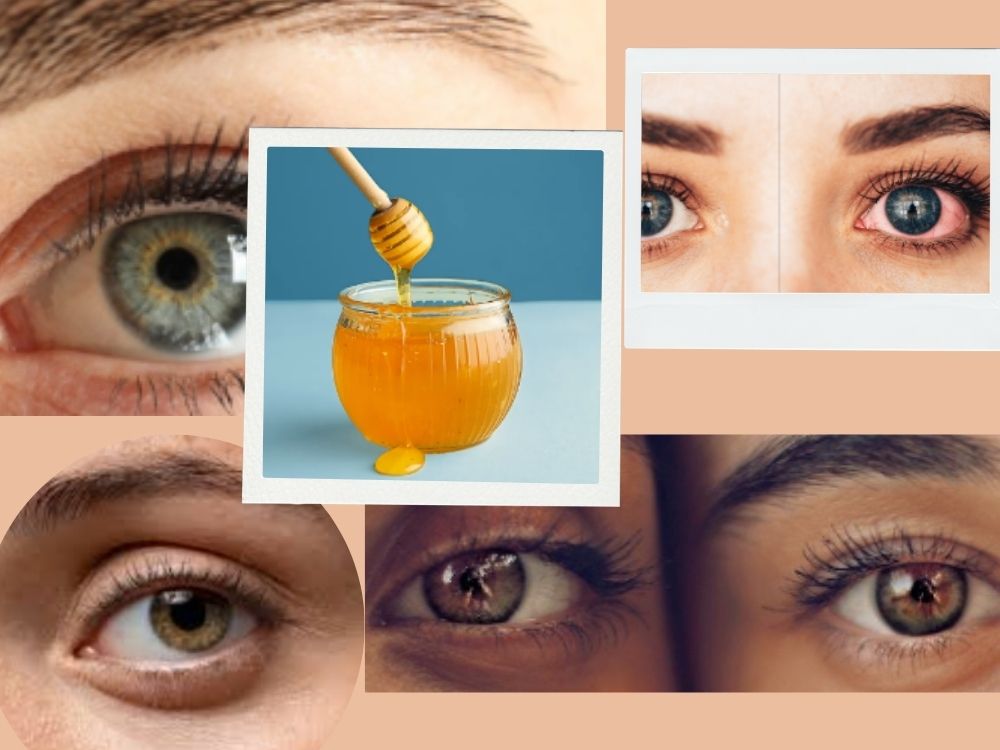
Common eye diseases include conjunctivitis, dry eyes, squinting, puffiness, spider veins, cataracts, and watery eyes. Honey is considered a useful remedy for many of these conditions.
If applied to the eyes, it is believed to improve vision. When mixed with salt, it may help relieve watery eyes, puffiness, and itching.
It is commonly believed that consuming pure, unadulterated honey is very beneficial for the eyes. Some people even apply fresh honey directly from the beehive to the eyes. Traditional medicine and even some modern practitioners recognize the healing effects of honey.
The honey of the lotus flower is also widely used in the treatment of eye diseases.
Statement of Weakness
This disease mostly affects the elderly. Excessive mental work, frequent intercourse, and excessive discharge, etc., also increase the risk of contracting this disease. In this condition, the patient’s vision gradually weakens, and over time, he completely loses the ability to see. Many types of eye drops are available for weak eyesight, but the effect of medicines applied to the eyes is limited to the outer parts of the eye.
The real cause of weak eyesight is the weakness of the brain and optic nerve; therefore, the treatment of this disease is to strengthen the brain and optic nerve. Honey, being a natural remedy, has particularly beneficial effects on the brain and vision and helps strengthen them. Applying pure honey to the eyes is often considered a tried and tested method for eye diseases among rural people. Since city dwellers often cannot distinguish between pure and adulterated honey and do not have easy access to real honey, they are deprived of its healing effects.
A Wonderful Prescription for Eyesight
Ingredients:
Seven grams of fine turmeric, ten grams of agarwood, one gram of saffron, acacia, yellow fenugreek, balchhad, two tolas of black pepper, three tolas of fine opium, five tolas of hamama, and ten grams of qarqiyun.
Preparation:
Mix all the ingredients together and grind them into a fine powder. Then weigh them and add twice the amount of honey to the mixture to form a thick consistency. Continue stirring until it becomes a paste. Store it in a bottle.
This is considered a very effective medicine for weak eyesight. Use it in the amount of ten grams in the morning and evening. It is said to cure eye diseases and can also be used during normal days.
Simple Remedy for Weak Eyesight
Ingredients:
Poppy Halila Zadar, Poppy Halila Kabuli, Poppy Balila, Amla, Coriander, Muzkalla, and Rosehip (one tola each); Badian (seven tolas); almond oil (as required).
Preparation:
Place all the solid ingredients in a mortar and grind them very finely to form a paste. After that, filter the mixture and separate the powder. Prepare all the ingredients in this powdered form and knead them in almond oil, ensuring that the mixture is not too soft.
Then add three times the amount of honey and continue kneading for half a day until it forms a paste. Store it in a bottle.
This preparation is somewhat laborious but is considered an effective remedy for weak eyesight. It helps reduce eye problems and improves visual acuity. The dosage should be taken up to ten times. This medicine can also be used during normal days.
Explanation of the Descent of Water:
In this condition, a thick fluid is produced inside the inner lining of the eye, which leads to impaired vision. As the amount of this fluid increases, it may block the eye passage, making vision unclear or blurred. In advanced stages, surgery is often considered the final treatment. However, in the early stages, the use of honey both internally and externally is believed to help absorb this fluid and prevent further accumulation. Various ointments and creams are also available in the market for this purpose. Some traditional remedies are described below.
Recipe for Sarma (Elixir for Eye Fluid):
Ingredients: One tola of pure asafoetida and one tola of pure honey.
Preparation: Grind the asafoetida into a very fine powder, like flour. Then mix it thoroughly with honey. Apply one drop of this mixture to each eye in the morning and evening, and wash the eyes with rose water after two hours. This remedy is considered useful in the early stages of fluid-related eye conditions and is also believed to help with night blindness.
Recipe for Eye Fluid Paste:
Ingredients: Asafoetida, Vajra, Sonth (2 tola), fine opium (6 masha), and pure honey (15 tola).
Preparation: Grind asafoetida, sonth, opium, and vajra into a very fine powder. Mix it thoroughly with honey and store it in a bottle. Use this mixture in the morning and evening with fresh butter in a quantity of 6 masha. It is traditionally considered beneficial in the early stages of fluid-related eye conditions.
Second Recipe for Eye Fluid Paste:
Ingredients: One and a half tola each of vij, asafoetida, fenugreek, and honey.
Preparation: Grind all the solid ingredients in a mortar and pestle until very fine. Then mix this powder thoroughly with pure honey until it forms a thick paste. Store it in a bottle. Use this paste four times a day. During treatment, avoid sour and spicy foods. Continuous use is believed to help reduce fluid accumulation in the eyes. It is recommended to use it after bowel movements for better results.
An Amazing Recipe for the Descent of Water:
Ingredients: One cup of desi khand, half a cup of pure honey, and one and a half cups of yellow halila.
Preparation: Boil the yellow halila in two cups of water on low heat, adding apples. When the water has completely evaporated, remove the seeds of the halila and grind them thoroughly in a mortar and pestle until a fine powder is formed. Place this powder in a clay or sugar jar along with the sugar and honey, and mix well to form a thick consistency. Seal the jar tightly and bury it in grain for one and a half months. After this period, the paste will be ready.
Usage: Take one and a half tola of this paste with lukewarm milk every night. It is traditionally believed to help with eye diseases, especially cataracts, as well as certain mental conditions and constipation. Historical accounts mention its use in cases of severe vision loss, where improvement was observed after consistent use.
The Amazing Recipe for the Descent of Water:
Ingredients: One cup of desi khand, half a cup of pure honey, and one and a half cups of yellow halila.
Preparation: Place the yellow halila in two cups of water and cook it on low heat with apples. When all the water has evaporated, remove the seeds of the halila and grind them thoroughly in a mortar and pestle until a fine powder is formed. Transfer this powder into a clay or earthen jar, add the sugar and honey, and mix well until a thick consistency is achieved. Seal the jar tightly and bury it in grain for one and a half months. After this period, the paste will be ready.
Usage: Take one and a half tola of this paste with lukewarm milk every night. It is traditionally believed to help with eye diseases, particularly cataracts, as well as certain mental conditions, and it may also relieve constipation.
A traditional account associated with this remedy describes a person who lost his vision due to cataracts and was declared untreatable by doctors. In a state of despair, he consulted a healer who advised him to try this preparation and also apply a small amount of honey to the eyes. According to the account, the individual experienced a gradual return of vision after consistent use. It is said that Hakim Abdullah Jahanian Wale later obtained this prescription with great effort.
Description of Watery Discharge from the Eyes:
Ingredients: Two spoons of purified honey, two spoons of cow ghee, and two spoons of Egyptian sangri.
Preparation: Place all the ingredients in a sturdy earthen pot and stir continuously with a whisk until they are fully combined. This process may take 24 to 48 hours. Once the mixture is well blended, cover the pot with a lid and seal it by applying a thick layer of kneaded dough over the top to prevent air from entering. Then bury the pot in wheat grains for two months.
Usage: Take this medicine in a quantity of five tolas with lukewarm milk in the morning and evening. If taking milk in the morning is not possible, it should ضرور be taken at night before going to bed. This remedy is traditionally considered effective in the early stages of discharge-related conditions. It is also believed to be blood-forming, strengthening, and tonic in nature. Additionally, it is regarded as beneficial for conjunctivitis. During its use, an increased intake of milk and desi ghee is recommended.
A Recipe for Night Blindness:
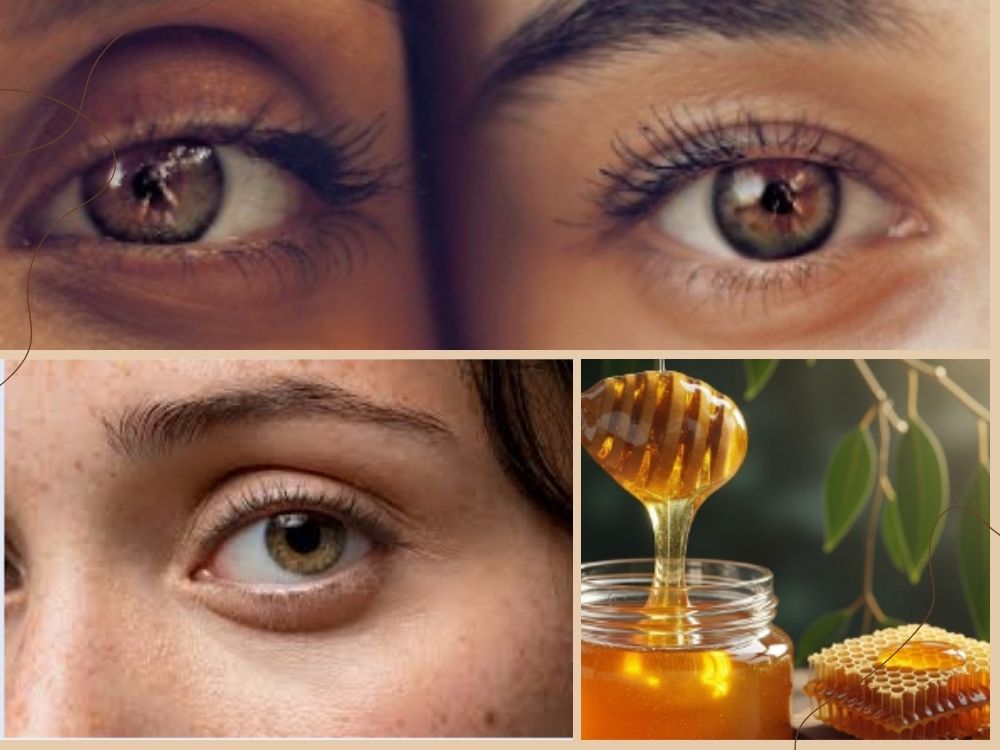
At night, put three drops of pure honey into both eyes before sleeping. In the morning, wash the eyes with rose water. It is traditionally believed that this practice may help relieve the symptoms of night blindness within a few days.
Easy Treatment for Night Blindness:
Ingredients: Six tablespoons of pure honey and six tablespoons of black goat liver juice.
Preparation: Mix both ingredients thoroughly, shake well, and store in a bottle. At night, recite “Bismillah” three times and apply the mixture to the eyes before sleeping. It is traditionally believed that, with consistent use and faith, night blindness may improve within a few days.
Description of Conjunctivitis:
Conjunctivitis is a condition in which the membrane of the eye becomes inflamed. The eyelids feel heavy, the eyes turn red, and excessive tearing occurs. Upon waking in the morning, the eyelids may stick together, and the eyes feel irritated. Pain, discomfort, and a sensation of heaviness are common.
This condition may be caused by foreign particles entering the eye, eye injuries, prolonged exposure to sunlight, staying awake at night, cold exposure or sudden cold winds, teething in children, and hormonal changes such as during menstruation. It is more common in children than in men and more frequent in young women than in children.
Remedy for Conjunctivitis:
Ingredients: Yellow halila kernels (one tola), custard apple kernels (one tola), star anise kernels (one tola), white poppy seeds (one tola), and pure honey (one and a half pao).
Preparation: Grind all the solid ingredients finely in a mortar and sift them well. Then mix the powder with honey to form a thick paste. Take one tola of this mixture at night before sleeping. This remedy is traditionally considered beneficial for conjunctivitis, as well as for colds, fever, and certain stomach disorders. It should be used only during the period of illness.
Excellent Recipe for Conjunctivitis:
Ingredients: Two tola of pure honey and two tola of Nirmali flowers.
Preparation: Grind the Nirmali flowers on a stone and mix them thoroughly with honey. Store the mixture in a bottle. Apply a small amount (one drop) to each eye. This is traditionally believed to help relieve mild eye conditions.
Easy Recipe for Conjunctivitis:
Ingredients: Six tola of roasted red alum, five cloves, two tola of lemon juice, and six tola of pure honey.
Preparation: Grind all the ingredients except honey in a zinc bowl with lemon juice using an iron rod until a smooth, creamy consistency is achieved. Once the lemon juice is fully absorbed, add honey and mix to form a thick paste. Store in a bottle.
Usage: This preparation is traditionally used to reduce discharge from the eyes and relieve conjunctivitis. During its use, avoid spicy and sour foods. The recommended dosage is up to ten masha. It is believed to help reduce redness and irritation in the eyes.
Description of Cataract:
To maintain proper vision, nature has created several membranes in the eye along with three types of fluids. Among these, the aqueous humor plays a key role in vision. It is a clear, transparent fluid located in front of the vitreous humor and behind the iris, where the image of objects is first formed.
According to traditional understanding, frequent colds and flu, prolonged reading of fine text (especially at night), and long-term use of glasses can weaken the eyes and cause this fluid to become thick. Poor nutrition may also contribute to the thickening and impurity of this fluid, leading to a gradual decline in vision.
If treated in the early stages, improvement may occur. However, if neglected, the condition can progress to the point where surgery becomes necessary. In such cases, the affected fluid or lens is treated surgically. In classical Greek (Unani) medicine, this surgical procedure was referred to as “Kadh.”
Easy Recipe for Early Cataracts:
Ingredients: One tola of honey, one tola of onion juice, one tola of camphor, and one tola of bee pollen.
Preparation: Mix all the ingredients thoroughly and store them in a bottle. Shake well before use. Apply one drop to each eye at night before sleeping. This preparation is traditionally believed to help in the early stages of cataracts and may also assist in reducing excess fluid in the eyes.
Easy Treatment for Early Cataracts:
Ingredients: One tola of pure honey and half a tola of finely ground asafoetida.
Preparation: Grind the asafoetida into a very fine powder, ensuring it is as fine as flour to prevent irritation. Mix it thoroughly with honey and store in a bottle. Apply one drop to the eyes in the morning and evening when needed. This remedy is traditionally considered beneficial in early cataracts and is also believed to help with night blindness.
Easy Remedy for Eye Pain:
Ingredients: One gram of gold leaf and two tolas of pure honey.
Preparation: This preparation requires careful effort. Add small pieces of gold leaf to honey in a mortar and grind them thoroughly until they dissolve into the honey. Gradually add more pieces and continue grinding until all the gold leaf is fully incorporated. Grind the mixture for three hours daily, preferably starting at dawn. After grinding, place the mixture in sunlight for the rest of the day, ensuring it is kept in a dust-free place. Continue this process for two weeks until the gold is completely blended with the honey. Then store the medicine in a bottle.
Usage: Use this preparation twice in the morning before breakfast and twice in the afternoon. It is traditionally believed to strengthen eyesight and support brain function. During this treatment, it is recommended to consume nourishing foods such as goat marrow, bread, and cow ghee.
Simple Recipe for Eye Pain:
Ingredients: Two tolas of pure honey and one tola of onion juice.
Preparation: Mix both ingredients thoroughly, place them in a bottle, and shake well to ensure proper blending. Store the bottle safely. When needed, apply three drops of this mixture to each eye twice a day and keep the eyes closed for a short time. It is traditionally believed that this remedy may help relieve eye pain and reduce redness within a couple of days.
A Wonderful Recipe for Eye Pain:
Ingredients: One tola of pure honey, one tola of onion juice, one tola of bee pollen, and four tola of kafot.
Preparation: Mix all the ingredients together thoroughly until well combined. Before going to bed at night, apply a small amount (one drop) to each eye, then consume a small spoonful of honey and sleep. In the morning, wash the eyes with cold water. This remedy is traditionally believed to help reduce eye pain and excessive watering.
Excellent Recipe for Chronic Eye Diseases:
Ingredients: Hafta-ul-Sian (three tola), cloves (two tola), star anise (five tola), almond oil (a small amount), and pure honey (half a kilogram).
Preparation: Grind all the solid ingredients finely in a mortar and pestle. Add a small amount of almond oil and mix well. Then combine the mixture with honey and blend thoroughly until it forms a smooth paste. Store in a container and use when needed. This preparation is traditionally considered beneficial for long-standing eye conditions and general eye health. The usual dosage is one tola in the morning and evening.
Easy Remedy for Eye Diseases:
Ingredients: Pure honey (12 tola) and native star anise (3 tola).
Preparation: Finely grind and sift the star anise, then mix it thoroughly with honey. Beat the mixture well until both ingredients are fully combined. Store it in a bottle in a cool place. Use one tola after meals in the morning and evening. During use, avoid hot and sour foods. This remedy is traditionally believed to support eye health.
Easy Method for Eye Protection:
Before going to sleep at night, apply one drop of honey to each eye and keep the eyes closed for about fifteen minutes. Then open the eyes and rinse them lightly with rose water before sleeping. Regular practice is traditionally believed to help maintain vision and protect the eyes from common problems.
Relief from Puffiness, Fog, and Cobwebs:
Ingredients: Kashta Bara Singha (prepared in Sher Madar), four masha, and pure honey, one tola.
Preparation: Mix both ingredients thoroughly until fully dissolved and store the mixture in a bottle. Shake the bottle well before each use. Apply three drops to the eyes three times a day and continue this routine for one and a half months.
This remedy is traditionally believed to help reduce swelling, haziness (fog), and the appearance of cobweb-like visual disturbances. Although it may appear to be a simple preparation, it is considered highly effective in traditional practice.